
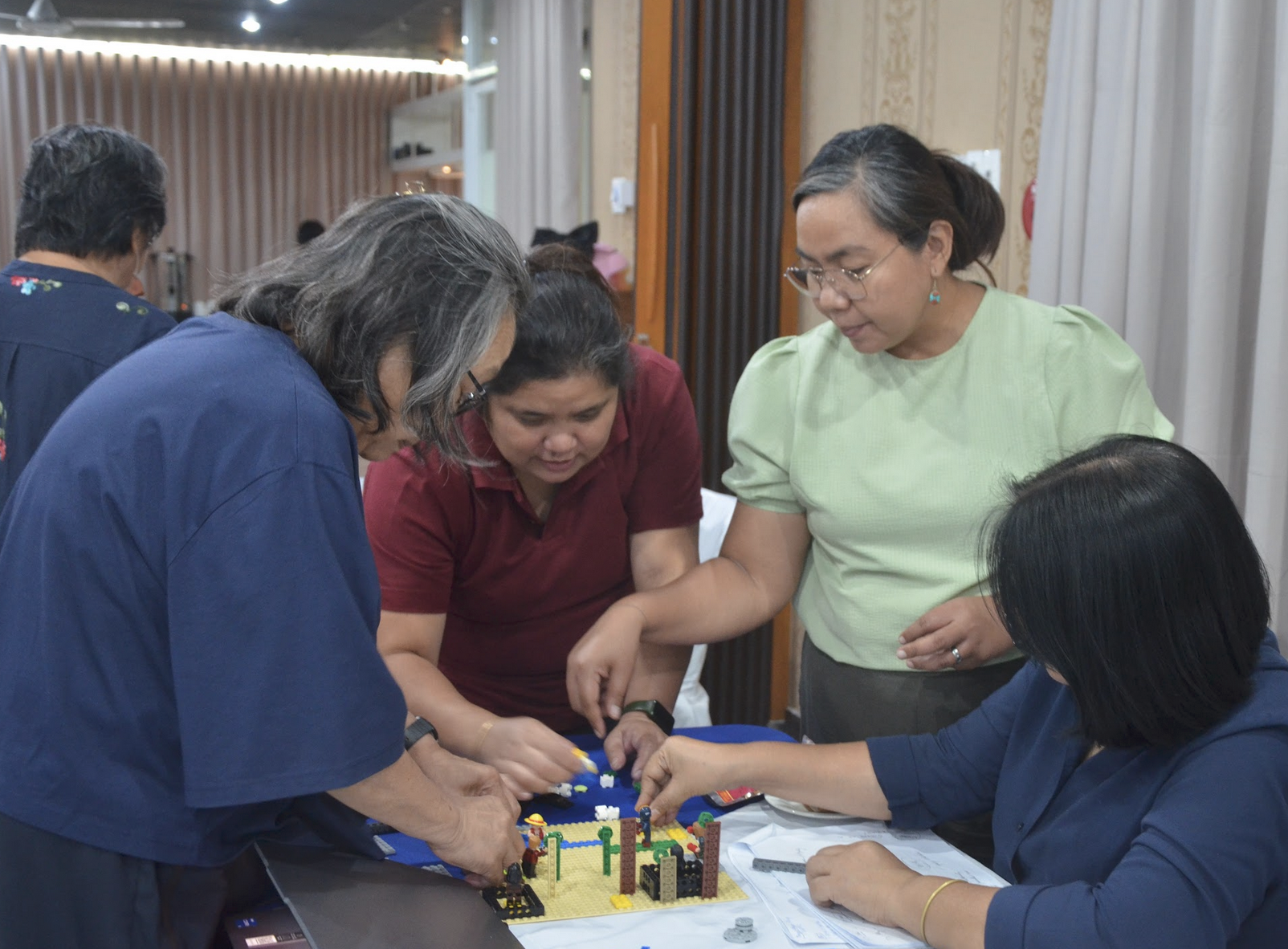
Step Up was engaged by Samdhana Institute, a nonprofit working in Indonesia and the Philippines to empower Indigenous peoples and local communities, to deliver a training on Theory of Change to its Philippines and Mekong team. The training was held in Cagayan de Oro City on 16-18 March 2026, attended by more than 20 participants using a hybrid format – with 5 participants attending remotely from Laos and Thailand.
Theory of Change (ToC) is a comprehensive methodology that explains how and why a desired change is expected to happen in a particular context. It provides a roadmap for organisations to articulate their long-term goals, identify the pathways to achieve them, surface critical assumptions, and design interventions that drive meaningful impact. A well-developed ToC enables strategic alignment, evidence-based decision-making, and effective communication with stakeholders, donors, and communities.
This three-day training is designed to build the capacity of staff, program officers, and organizational leaders of Samdhana to develop, apply, and refine ToC frameworks. The training employs participatory methodologies that honor indigenous knowledge systems, promote collaborative learning. By the end of the training, participants were able to draft a ToC for a specific program of their choice, equipped with the skills to implement, monitor, and adapt it over time.
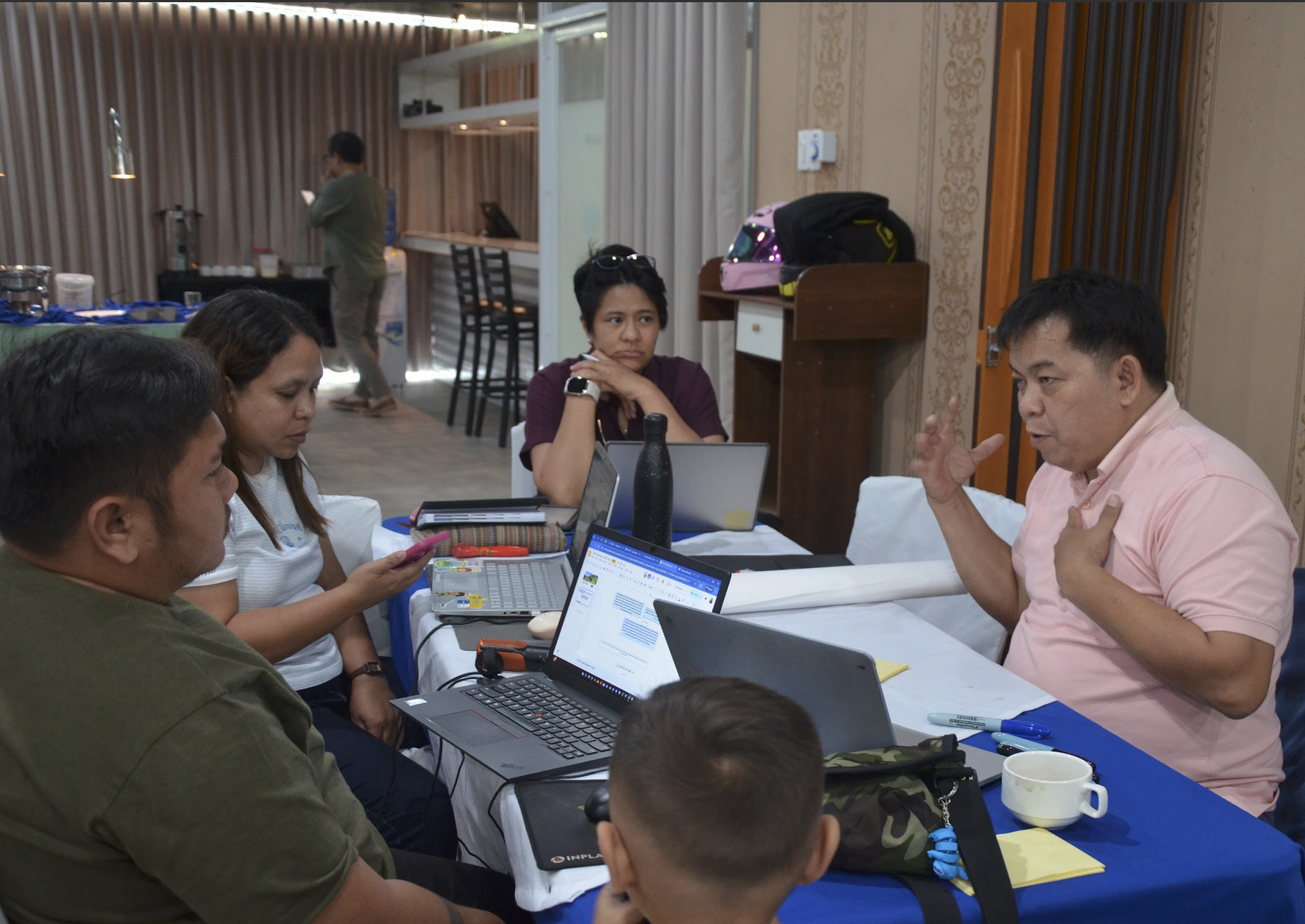
Samdhana’s work lies at the intersection of pressing social, political, economic, ecological, and cultural issues. The “common thread” in all of Samdhana’s work is the urgency of dealing with the root causes of the widening inequality based on the non-recognition of rights of Indigenous peoples and local communities (IPLCs) to land/sea and limited access to resources.
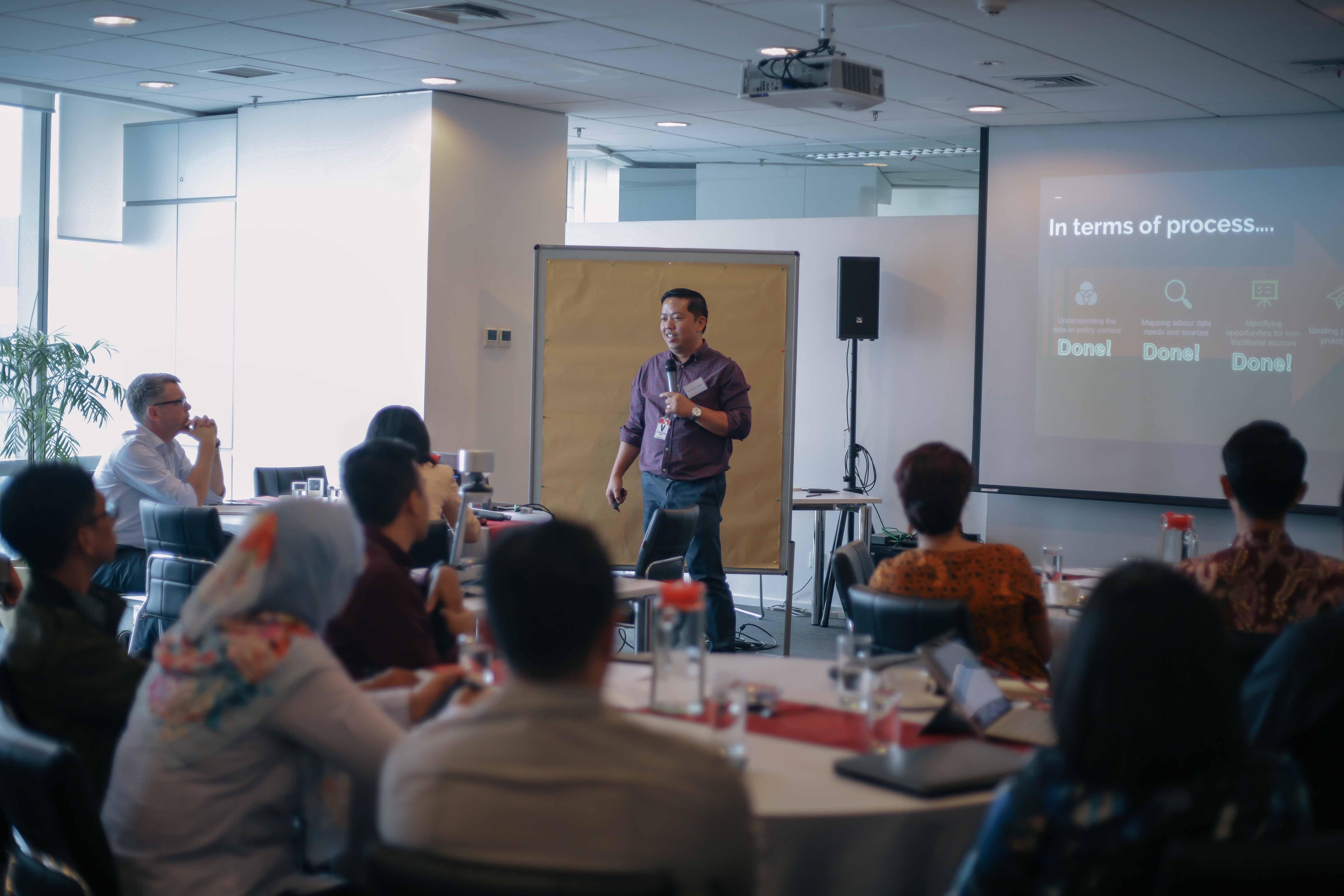 Step Up Managing Consultant Michael Canares led the design for the Labour Market Information Systems exploratory workshop for Indonesia and facilitated the same last April 9-10, 2019 at the GIZ Headquarters in Jakarta Indonesia. The primary question that the workshop tackled was whether non-traditional data sources can help overcome information deficits in labour market development programs.
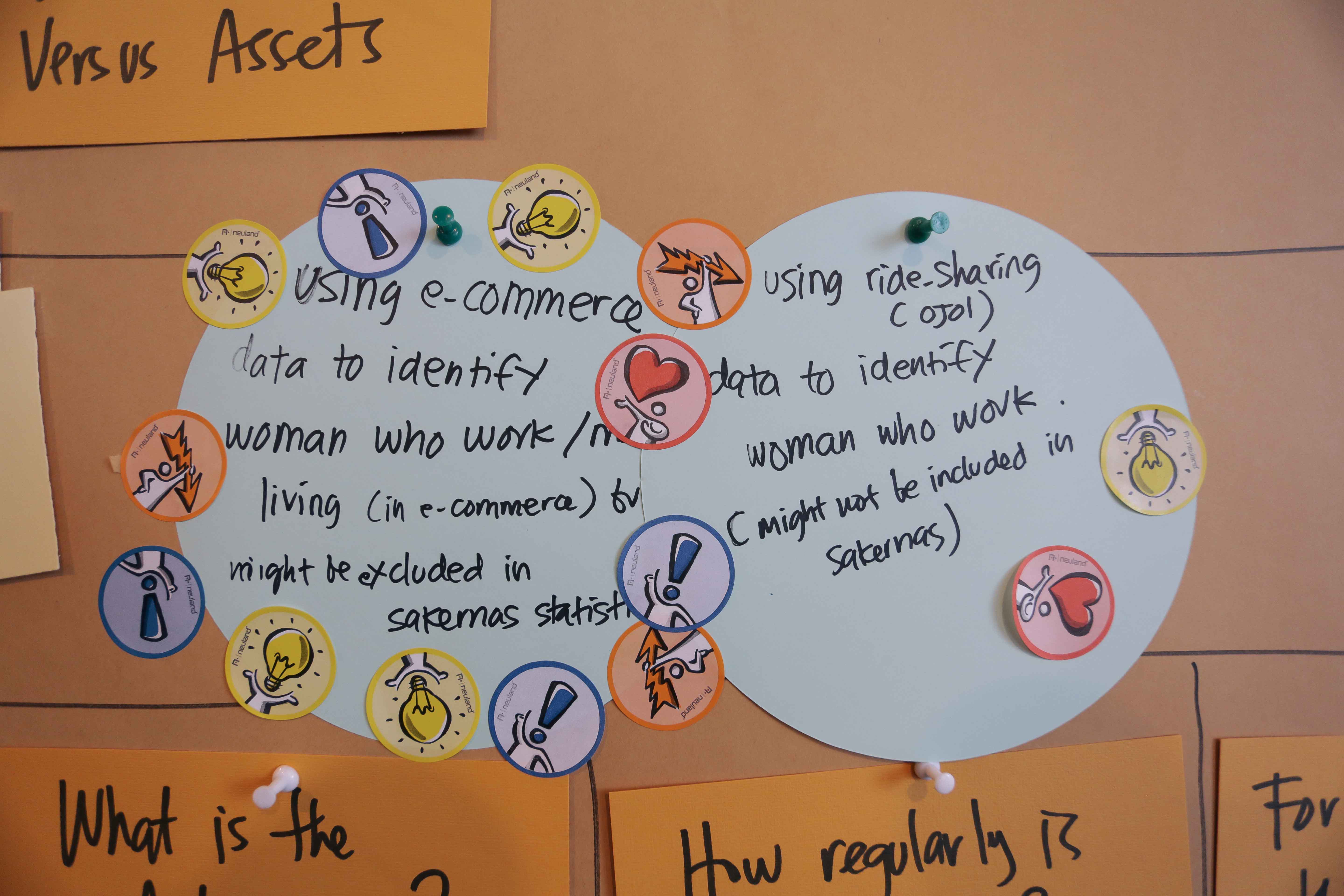 Through intensive workshops and meaningful conversations designed primarily to harness different ideas, the workshop resulted to at least four experiments in the use of different data sources – big data, open data, thick data, and citizen-generated data – to be able to capture traditionally unavailable information that are critical to labour market decision making processes.
