

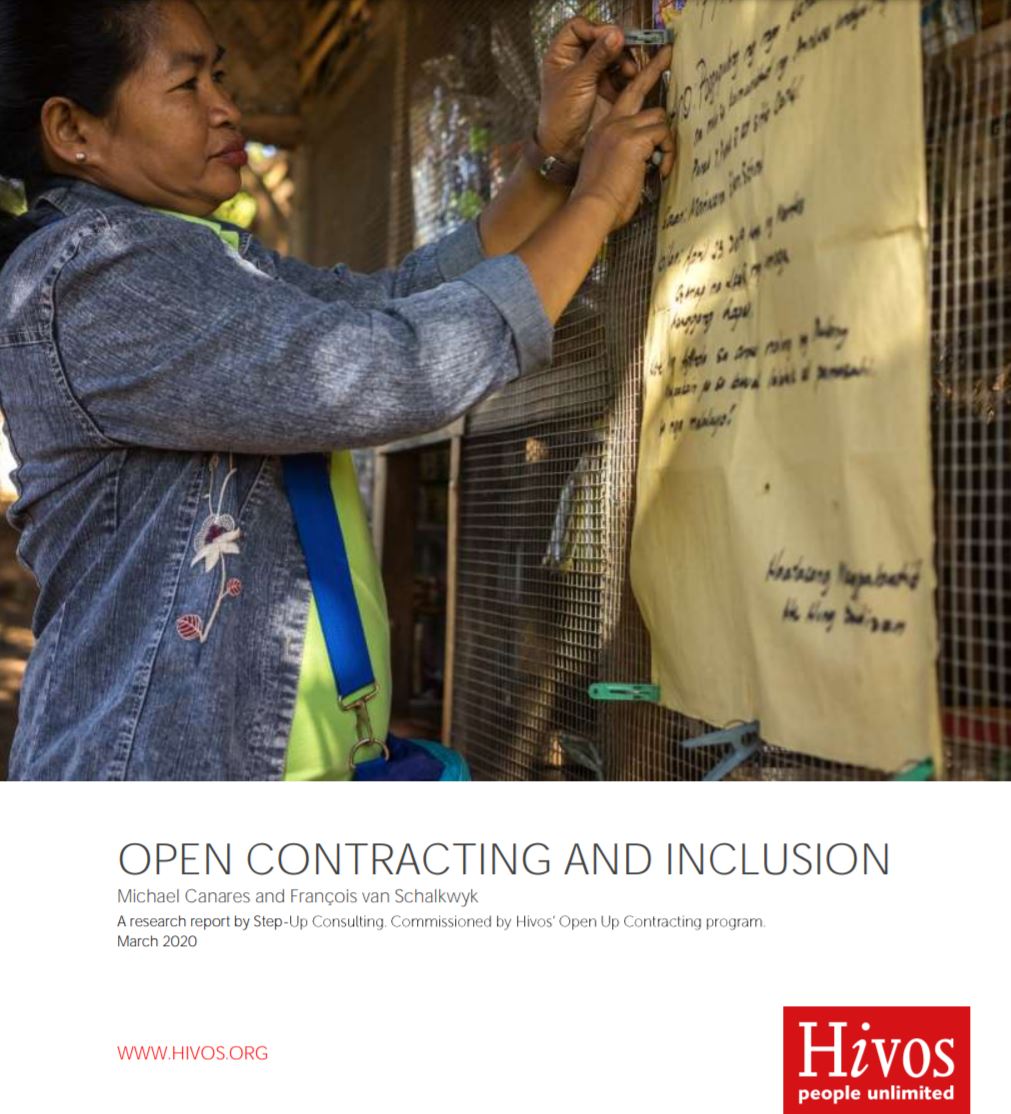
Hivos, a development organization based in the Netherlands recently published a research it commissioned to Step Up Consulting. The research, done by Michael Canares and Francois van Schalkwyk, interrogates whether open contracting reforms can or can not lead to increased equality and inclusion in public contracting processes.
Open contracting has been adopted by more than 35 governments worldwide and has received significant attention from advocates and researchers alike. According to the organisation Open Contracting Partnership, open contracting has become “a new global norm, recommended and endorsed by global bodies such as the G7, the G20, OECD, the European Commission, the World Bank, and the European Bank of Reconstruction and Development”. However, evidence of the concrete benefits that open contracting delivers derives from a limited sample of case studies or single-country research pilots.
The research made use of a case study approach covering 5 low and middle-income countries. The cases covered are as follows:
-
- Bandung, Indonesia: an open contracting pilot project implemented the City of Bandung with the support of the World Bank and the National Procurement Agency. The citizen engagement component of the project was implemented by World Wide Web Foundation’s Open Data Lab Jakarta, the aim of which is to cultivate use of published contracting data by the city government of Bandung, Indonesia.
- Bantay Kita, Philippines: Open mining governance to increase access, understanding and use of mining contract data in Cebu and Palawan provinces in the Philippines.
- Budeshi, Nigeria aims to ensure that public service delivery in Nigeria is opened to public scrutiny. Budeshi also requires that data across the budget and procurement processes are structured enough to enable various stages to be linked to each other and, eventually, to public services.
- Preferential Procurement, South Africa: Public procurement regulations introduced by the national government in 2017 stipulating that at least 30% of the value of all government contracts of ZAR30 million or more must be subcontracted to specified disadvantaged groups, including youth and women.
- Access to Government Procurement Opportunities, Kenya: Public procurement regulations introduced by the national government in 2013 stipulating that at least 30% of all government contracts must be subcontracted to specified disadvantaged groups, including youth and women.
If you are interested to learn more about the research, please download the file from this link.

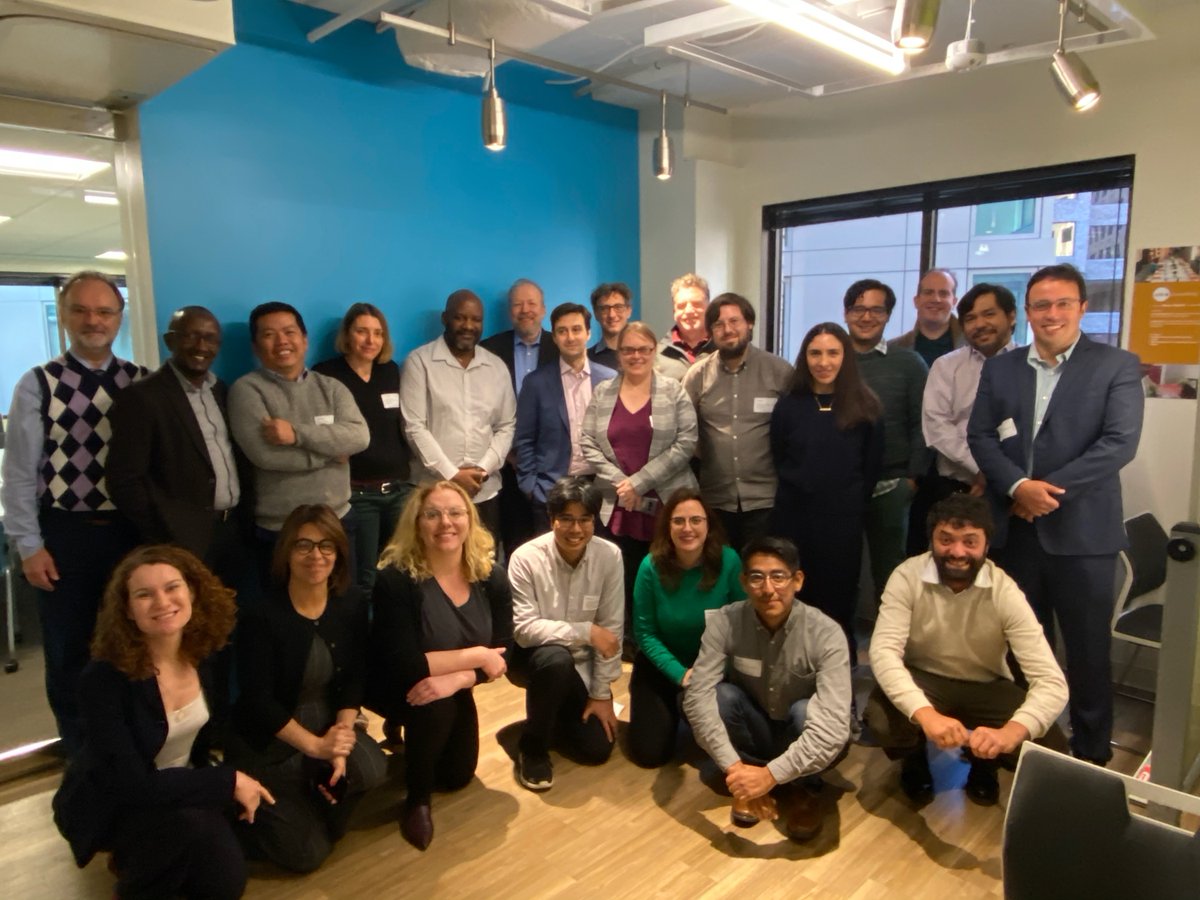 Michael Canares, Managing Consultant of Step Up Consulting is one of the participants (and co-facilitator) of the recently-concluded Global Data Barometer Workshop in Washington DC, USA, last January 9-2020. The workshop was convened to “bring together key stakeholders to review the research framework, implementation model and sustainability strategy for a new global study of data around the world, set to release its first edition in 2020/2021.”.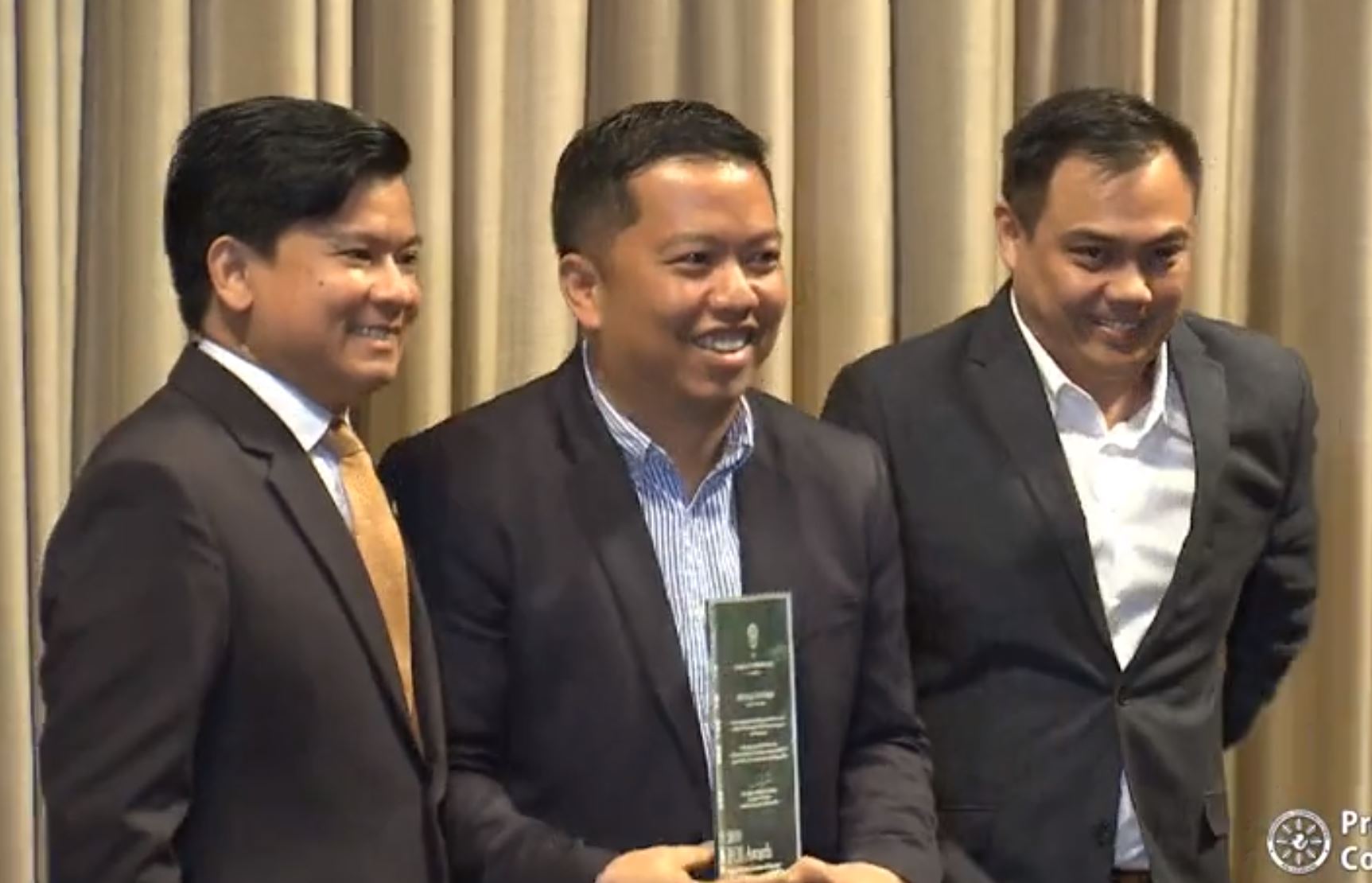
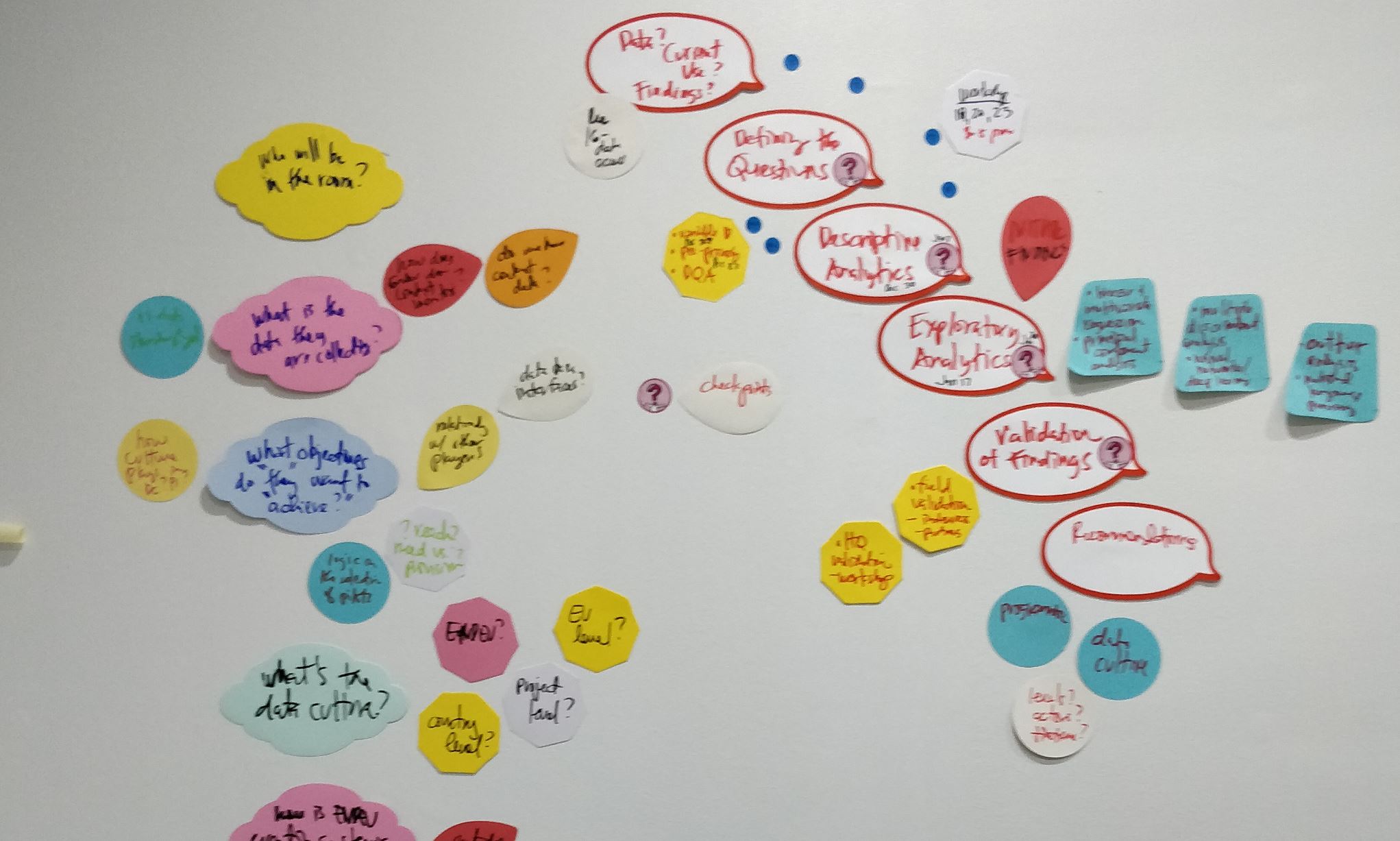 Step Up Consulting signs a contract with a major development organization to conduct a data dive on a global project on access to energy implemented in Africa, Asia, and Latin America. The project aims to provide access to modern energy services across 25 countries. Step Up’s team is composed of the following:
 Michael (Miko) Canares, Team Leader
 Maria Jihan (Frei) Sangil, Data Science Lead
 Maria Carmen (Ica) Fernandez, Development Programming Expert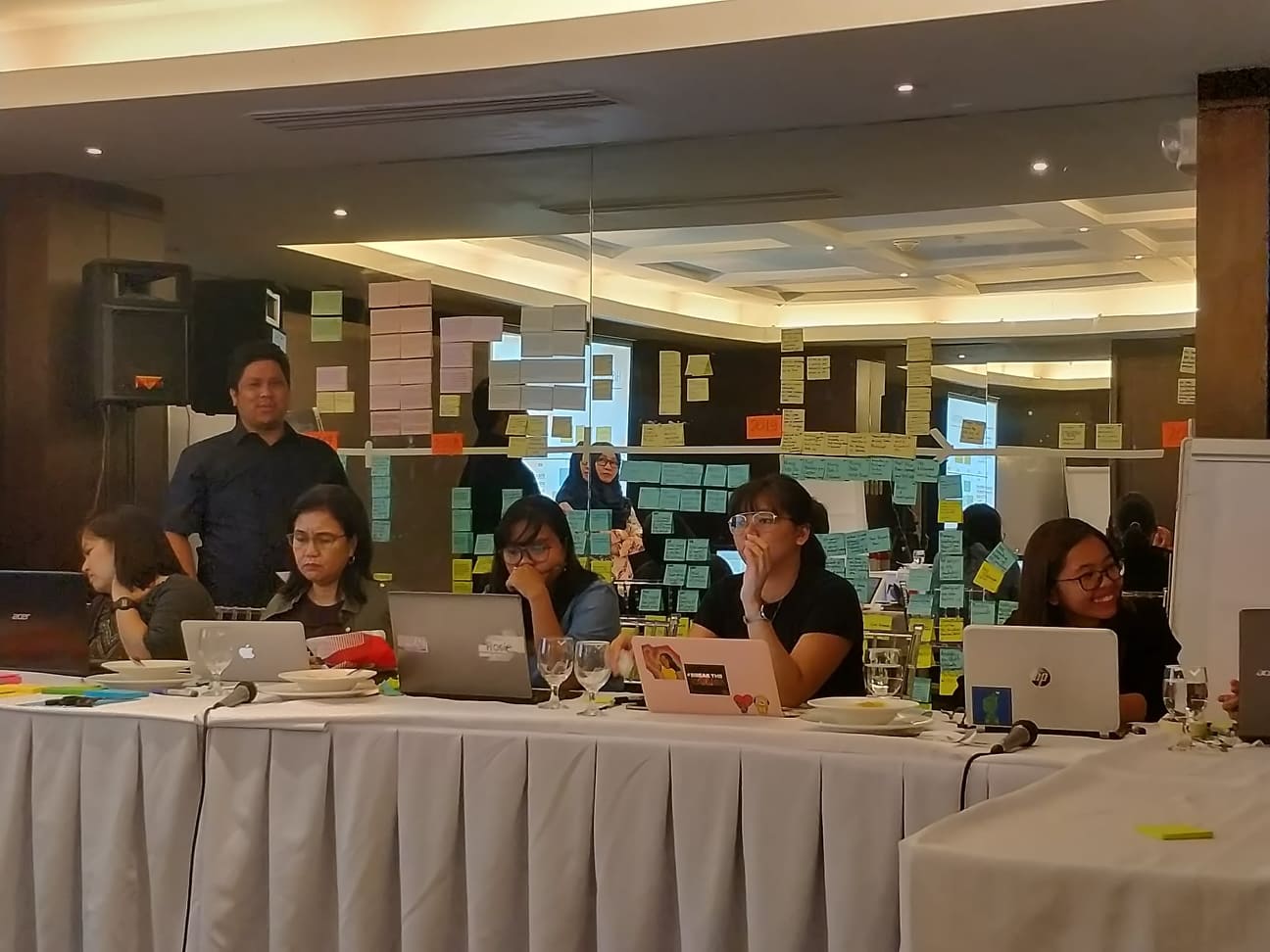
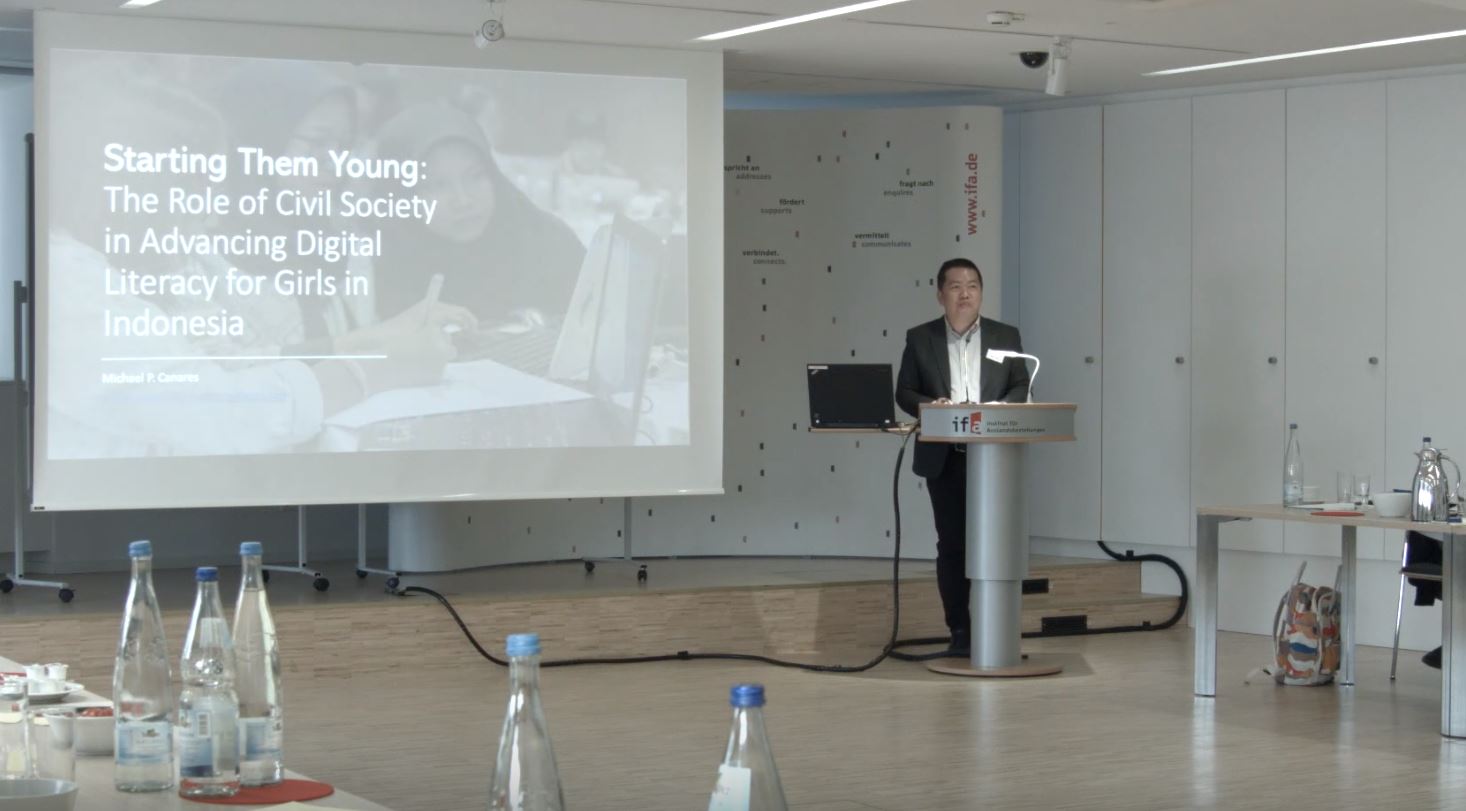
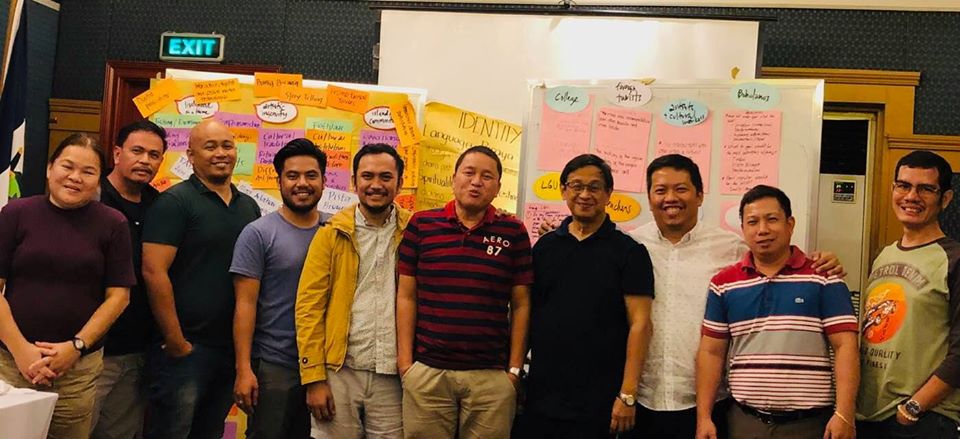 Step Up Consulting Services facilitated a cultural programming design workshop for the Regional Cultural Hub of Central Visayas at the Metro Centre Hotel on 16-17 September 2019. The workshop was organized by the Bohol Integrated Development Foundation in cooperation with the Provincial Government of Bohol.
