
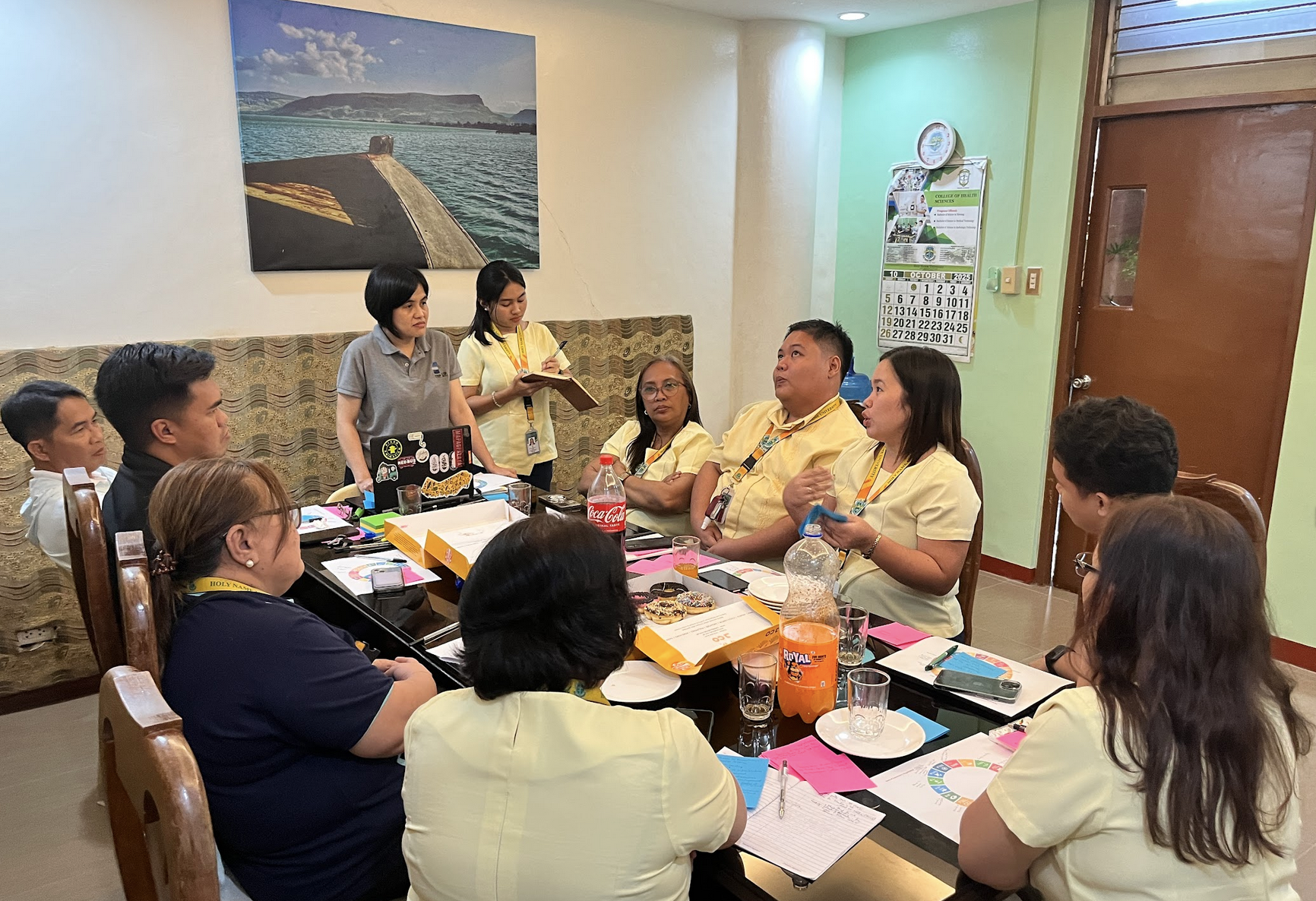
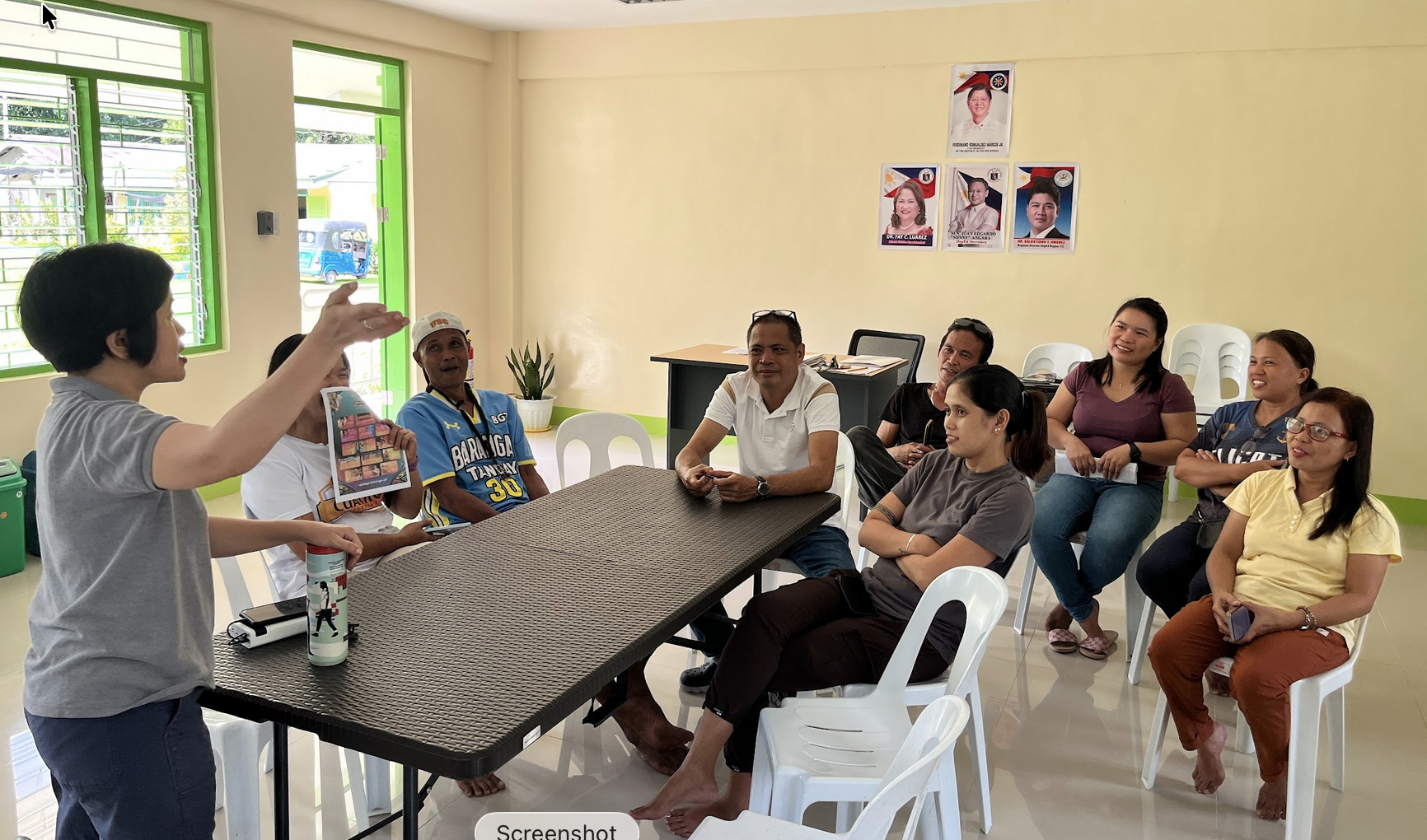
Holy Name University (HNU), through its Center for Community Extension, Linkages, and Partnerships (CELP) headed by Marijoe Narca, recently completed an impact assessment of its extension programs in Barangay Tanday, Corella, Bohol, with Step Up Consulting Services conducting the external evaluation.
The assessment reviewed HNU’s wide range of extension initiatives designed to promote holistic community development. These include leadership and skills development for barangay officials and health workers through the Tanday Pagsanay program; values and cultural formation through Christmas Outreach Activities; youth and women empowerment through Summer Camps and sports clinics; and integrated services provided through the annual One University Outreach.
Livelihood and environmental sustainability efforts were also evaluated, particularly the Bahandi sa Kawayan project, which supports local basket weaving and sustainable bamboo use among others. Spiritual formation initiatives, such as regular Eucharistic celebrations in barangay chapels, were likewise included in the assessment as part of HNU’s values-driven approach to extension work.
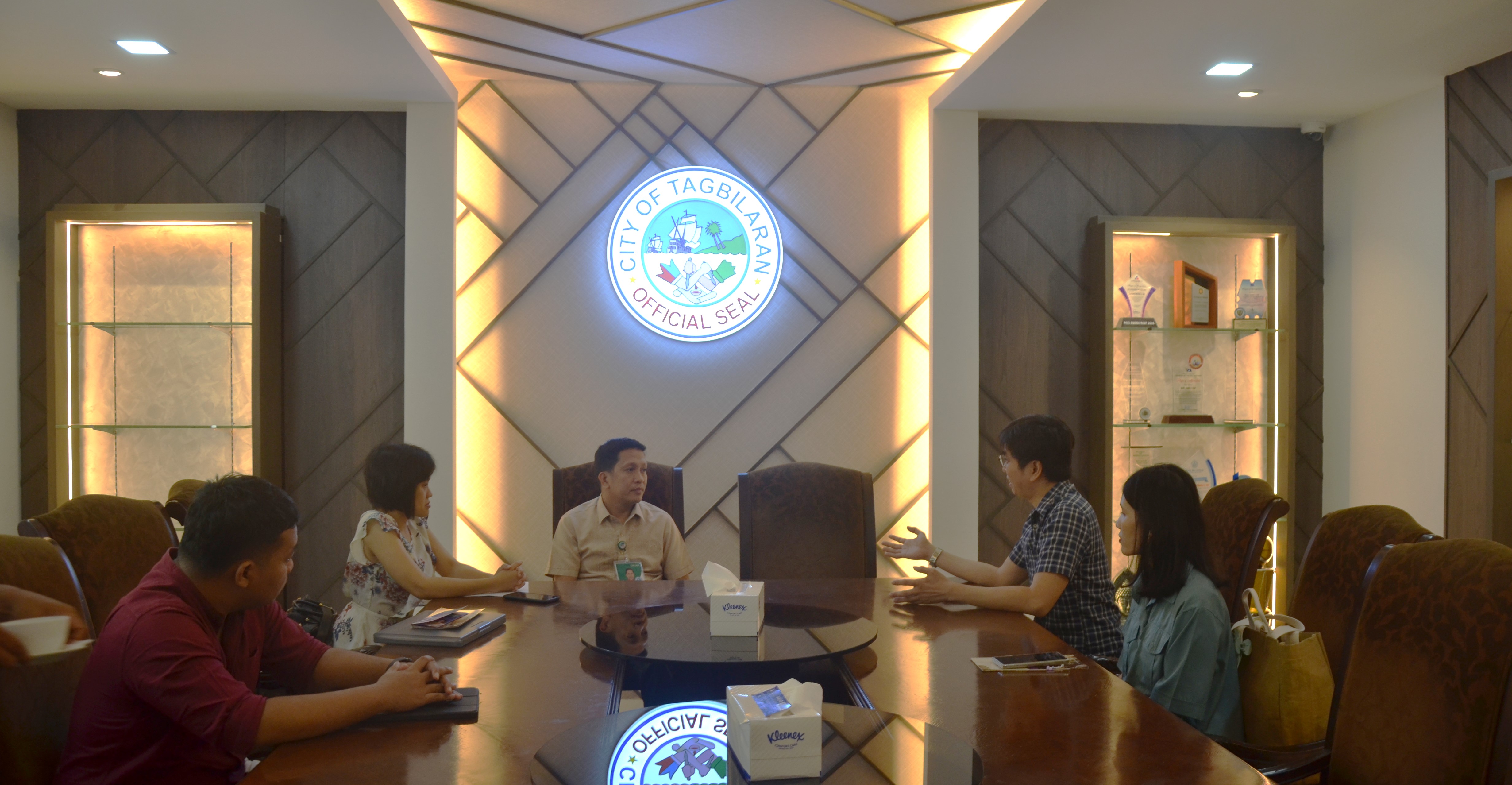
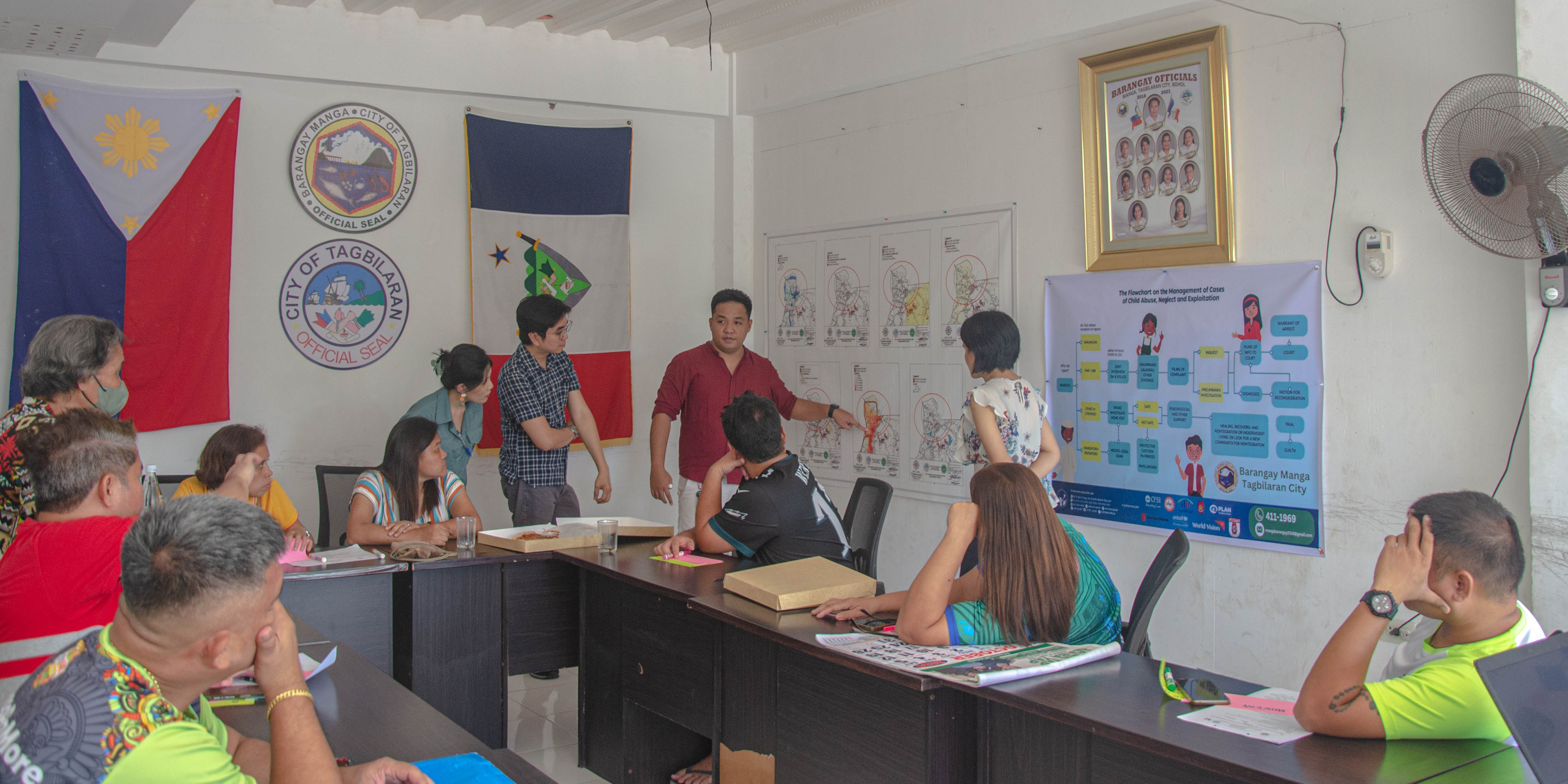
Step Up Consulting Services employed a qualitative and mixed-methods approach using focus group discussions, key informant interviews, and document review to generate comprehensive and reliable evidence of program outcomes. The evaluation measured the impact of the programs on key areas including capacity-building, livelihood, education, health, youth engagement, cultural preservation, and environmental sustainability, in line with Commission on Higher Education (CHED) standards for extension impact evaluation.
The results of the assessment show that HNU’s extension programs have high relevance and positive impact on the community, particularly in strengthening preventive healthcare, improving local governance, enhancing livelihood opportunities, and preserving cultural heritage. The programs were also found to strongly align with the Sustainable Development Goals (SDGs), notably SDGs 1, 2, 3, 4, 8, 11, 12, 16, and 17, demonstrating HNU’s deliberate integration of global development frameworks into grassroots engagement.
The long-standing partnership between Holy Name University and Barangay Tanday was identified as a key factor in the success of the initiatives. Characterized by trust, participatory planning, and shared ownership, the collaboration involves faculty, students, administrative staff, alumni, barangay officials, and community members working together to ensure the relevance and sustainability of interventions.
Through this external evaluation, Holy Name University further strengthens its commitment to institutionalizing extension as a core function alongside instruction and research. The findings affirm HNU’s role as a catalyst for holistic and inclusive community development, advancing social responsibility, evangelization, and sustainable development at the local level.
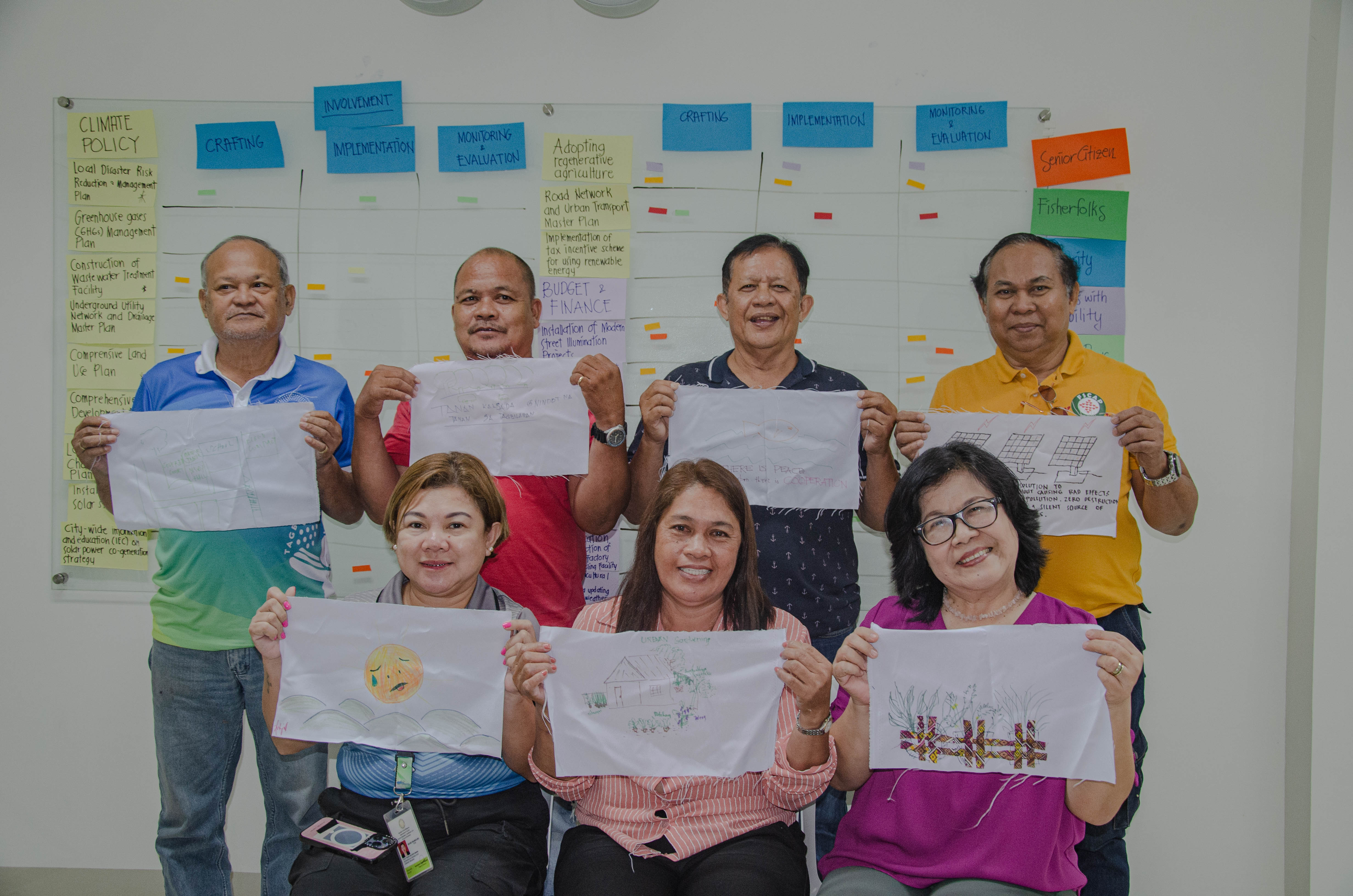
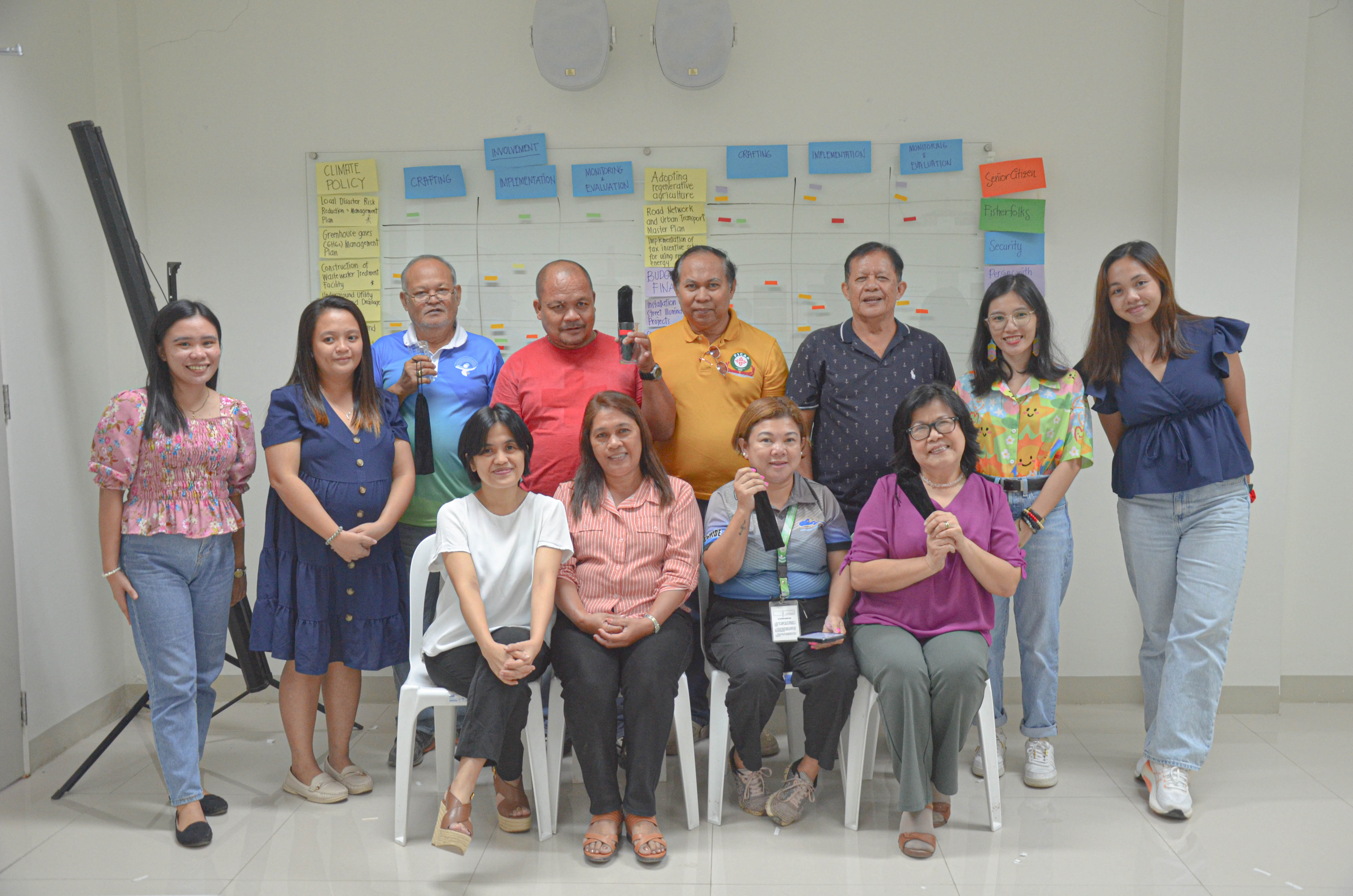


 Step Up Consulting