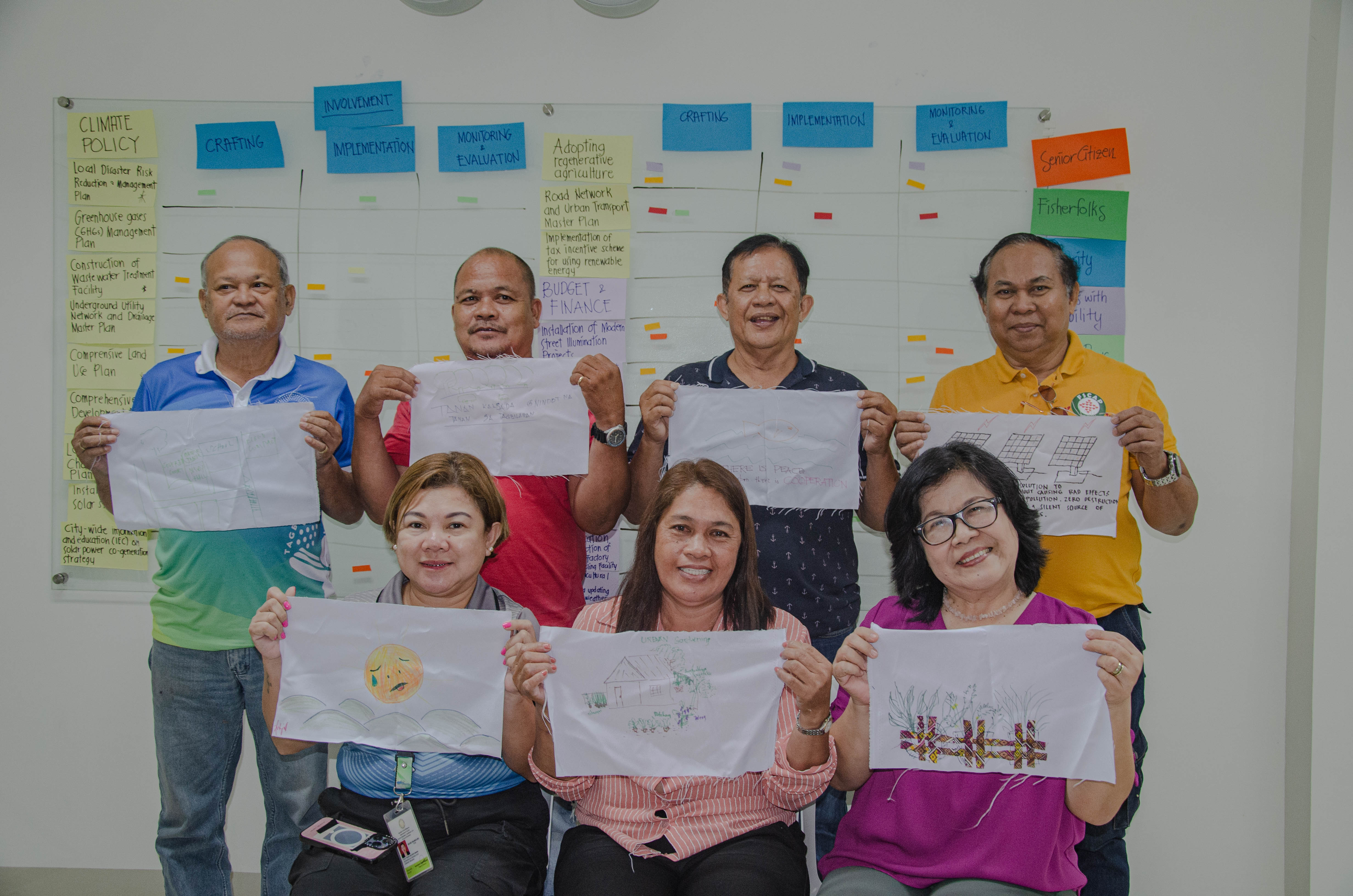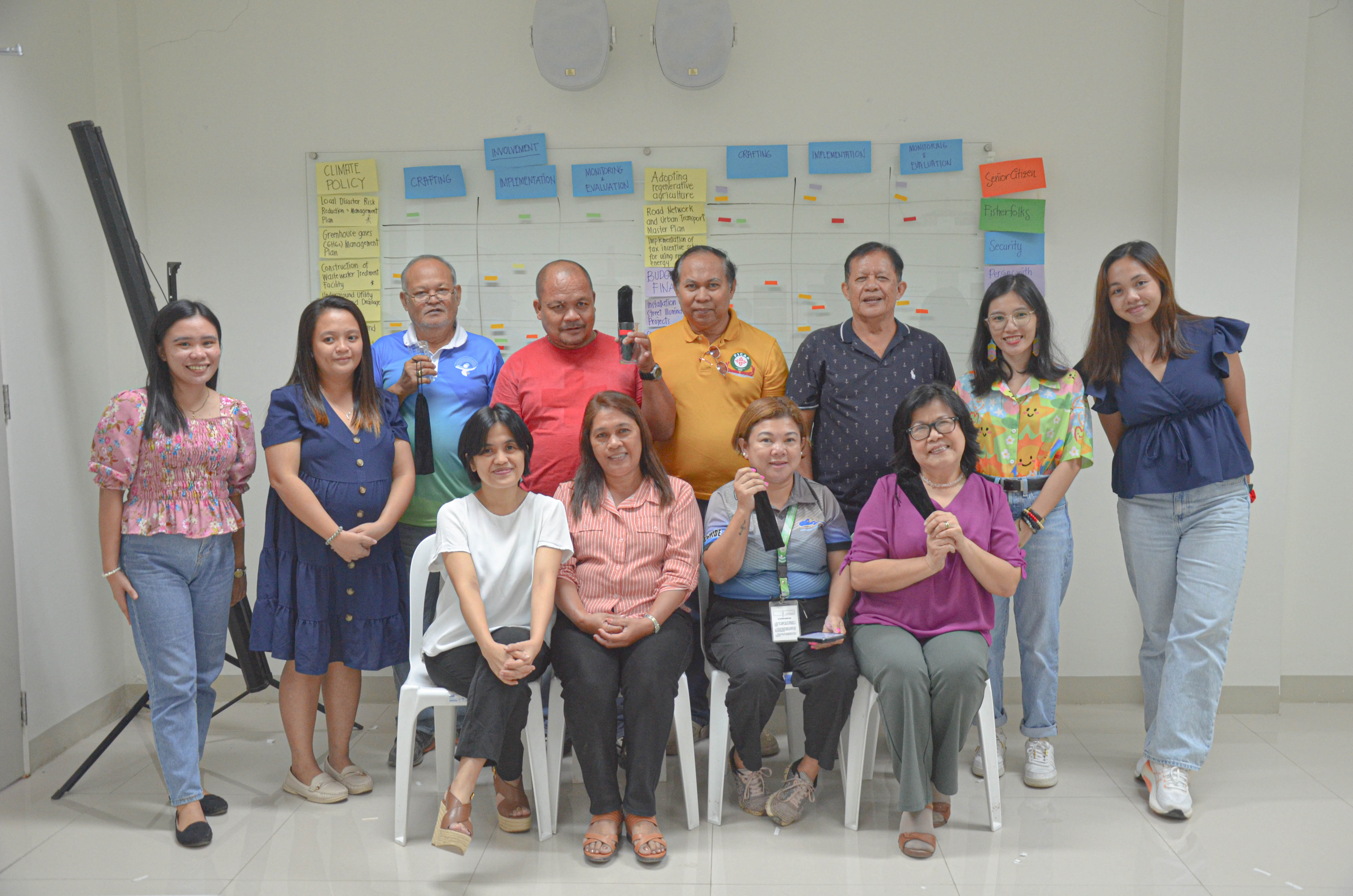
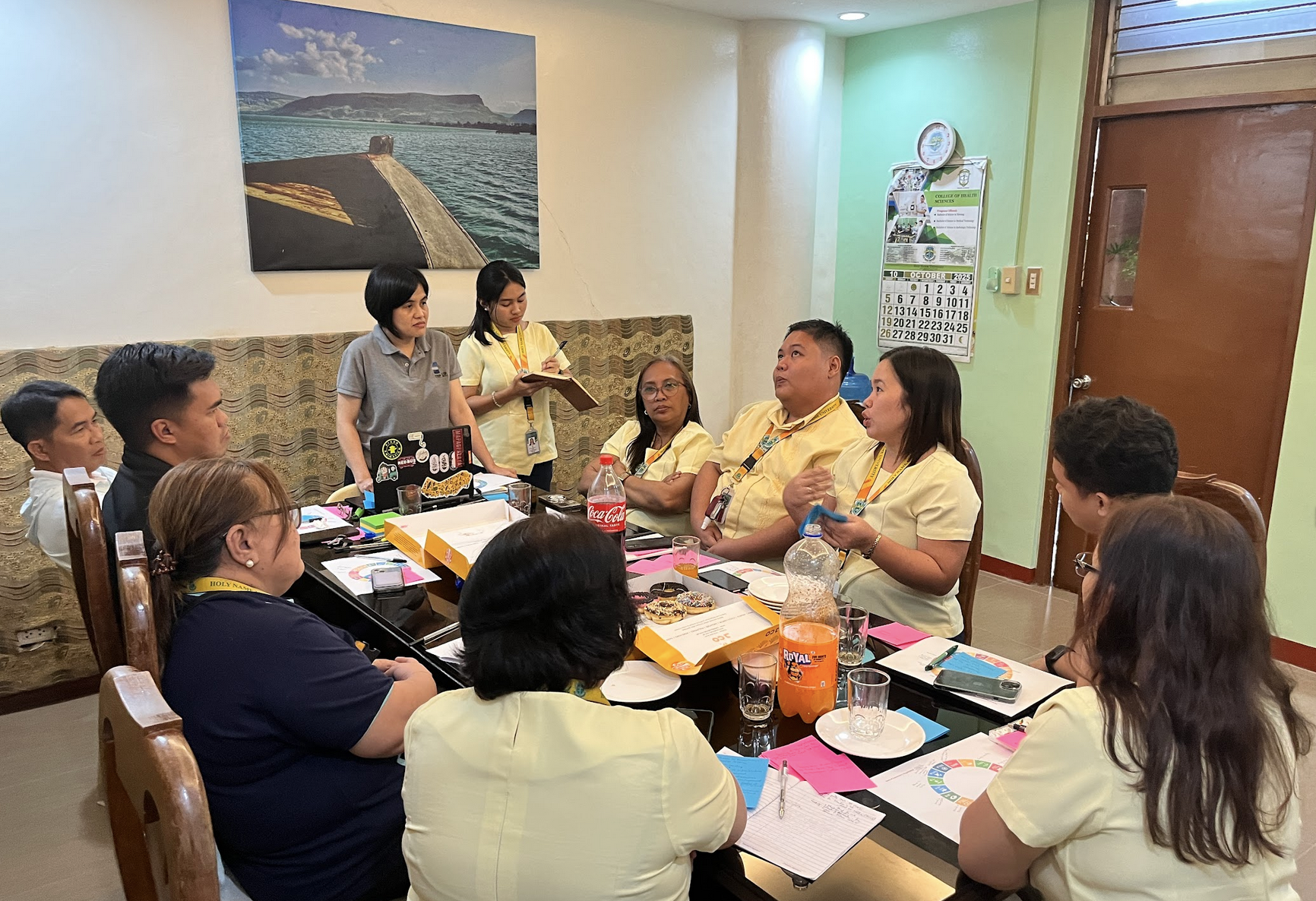
Tailored M&E Workshop Equips WTRC for Strategic Program Evaluation

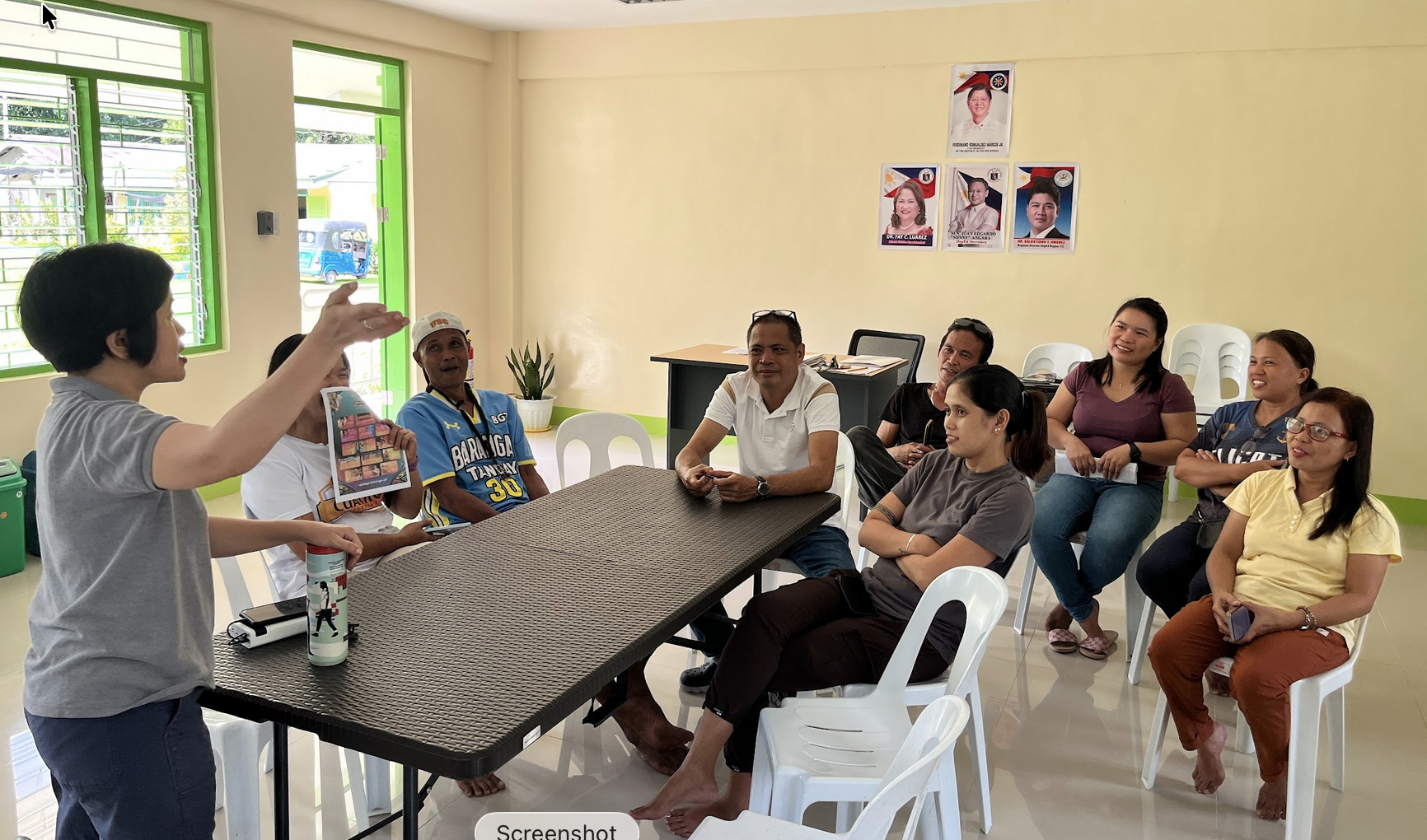
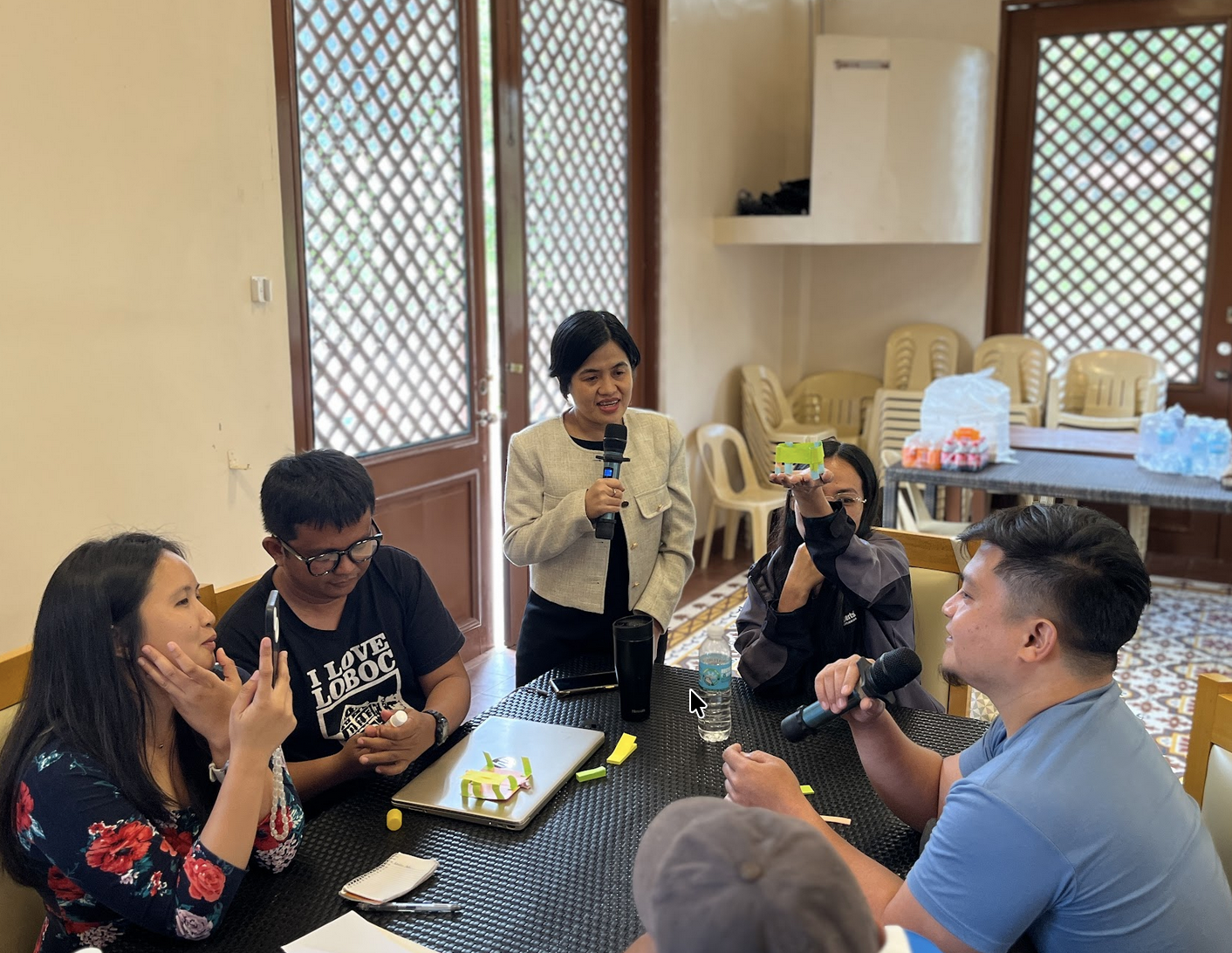
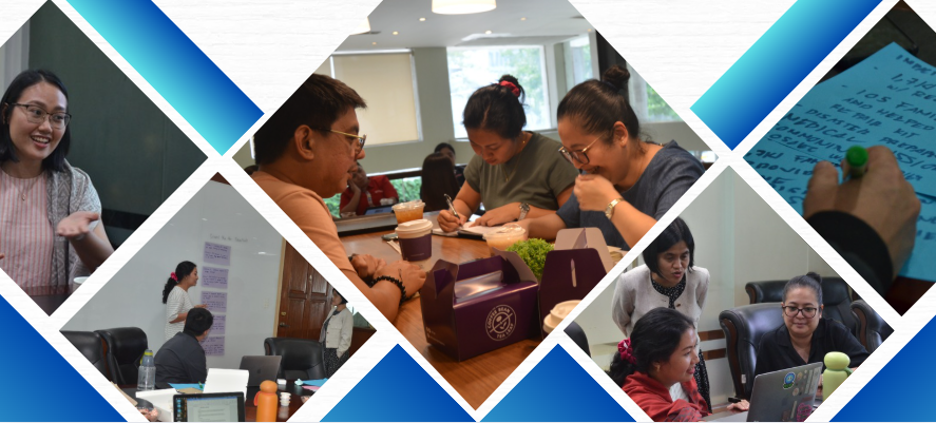
The Wholistic Transformation Resource Center Foundation, Inc. (WTRC) has taken a significant step forward in strengthening its community development work by participating in a customized Monitoring and Evaluation (M&E) capacity development and training workshop.

Facilitated by Step Up Consulting Services, the workshop was specifically designed to align with WTRC’s unique programs and long-term goals, focusing on enhancing internal systems for transparency, accountability, and stakeholder engagement. This initiative reflects WTRC’s commitment to using data-driven approaches to ensure the effectiveness and sustainability of its interventions.

The training aimed to enhance participants’ understanding of core M&E concepts and frameworks, build their capacity to design and implement effective data collection strategies, and improve their ability to analyze and interpret results accurately. WTRC staff also learned to use various M&E tools—such as logic models, performance indicators, and dashboards—to monitor program success and make informed decisions. A key outcome of the workshop was the development of tailored M&E systems that align with the foundation’s mission and can support long-term monitoring and evaluation practices.

Throughout the training, WTRC staff engaged in intensive sessions covering a broad range of M&E topics, including the Logical Framework, Results-Based M&E, and Theory of Change. Participants were also equipped with practical skills in data collection and analysis using tools such as Key Informant Interviews, Focus Group Discussions, and structured surveys. To ensure high data quality and credibility, the Triangulation Method was introduced alongside modern digital tools like Google Forms, Tableau, and AI-powered platforms for data visualization and analysis.

By embedding strong M&E systems across its operations, WTRC aims to align its efforts more closely with the expectations of donors, beneficiaries, and other stakeholders. This capacity-building initiative not only strengthens internal processes but also reinforces WTRC’s dedication to continuous improvement and evidence-based development work. Ultimately, the foundation believes that more effective monitoring and evaluation will lead to deeper, more meaningful, and lasting impacts in the communities it serves.

Step Up Identifies Key Enhancements for MFI Microinsurance in 2025 Competitiveness Review

Step Up has concluded a comprehensive review of client perceptions and market competitiveness on the enhanced microinsurance offerings by a leading Microfinance Institution (MFI) in the Philippines from January to March 2025. The evaluation aimed to measure the effectiveness, impact, and market positioning of these products, which are designed to deliver financial protection to low-income and vulnerable populations.

The 2025 review focused on gauging awareness, satisfaction, and user experience among policyholders and beneficiaries. The review took a detailed look at the revised features and procedural updates resulting from recent improvements to the MFI’s microinsurance offerings

A critical component of the review explored the potential for pricing adjustments to maintain the products’ affordability and accessibility, especially for financially constrained households. Findings from the study underscored the vital role these insurance products play in supporting communities through unexpected events such as accidents and medical emergencies. Many beneficiaries reported that the microinsurance served as a crucial safety net during times of crisis, reinforcing household resilience and economic stability.

The evaluation highlighted the strengths of MFI’s microinsurance offerings by benchmarking them alongside similar products in the market, showcasing competitive advantages in pricing, features, process efficiency, and delivery channels.

Based on the data gathered, Step Up issued targeted recommendations aimed at enhancing the value, efficiency, and outreach of the MFI’s microinsurance program. These insights are instrumental in shaping the next phase of product development, ensuring broader impact and improved financial security for underserved communities.

Step Up Conducts  Series of Data Gathering Activities for Urban Climate Finance Study in Tagbilaran City

Step Up conducts a series of data-gathering activities for Tagbilaran City Tagbilaran city-level scoping study on enabling conditions for urban climate finance and provides technical support and recommendations to mainstream climate change considerations and Gender Equality, Disability, and Social Inclusion (GEDSI) perspectives into the cities’ investment plans. This is part of a research study commissioned by the Institute for Climate and Sustainable Cities.

The study aims to assess the enabling conditions for climate financing at the city level, leveraging the methodology developed by the Cities Climate Finance Leadership Alliance (CCFLA). This methodology focuses on the “National Assessment of Enabling Framework Conditions for Subnational Climate Finance”. It will be utilized to gauge how well Tagbilaran is positioned to access climate finance for its urban development projects.

Key objectives include:

  1. Developing a scoping study on the conditions that facilitate climate finance in Tagbilaran.
  2. Assessing the city’s development investment programs with a focus on climate and Gender Equality, Disability, and Social Inclusion (GEDSI) considerations.

As part of the study, a range of data collection activities have been scheduled, including focus group discussions, interviews with key stakeholders, and a review of existing documents related to investment planning to provide recommendations for integrating climate change mitigation and adaptation measures, along with GEDSI perspectives, into the city’s investment plans.

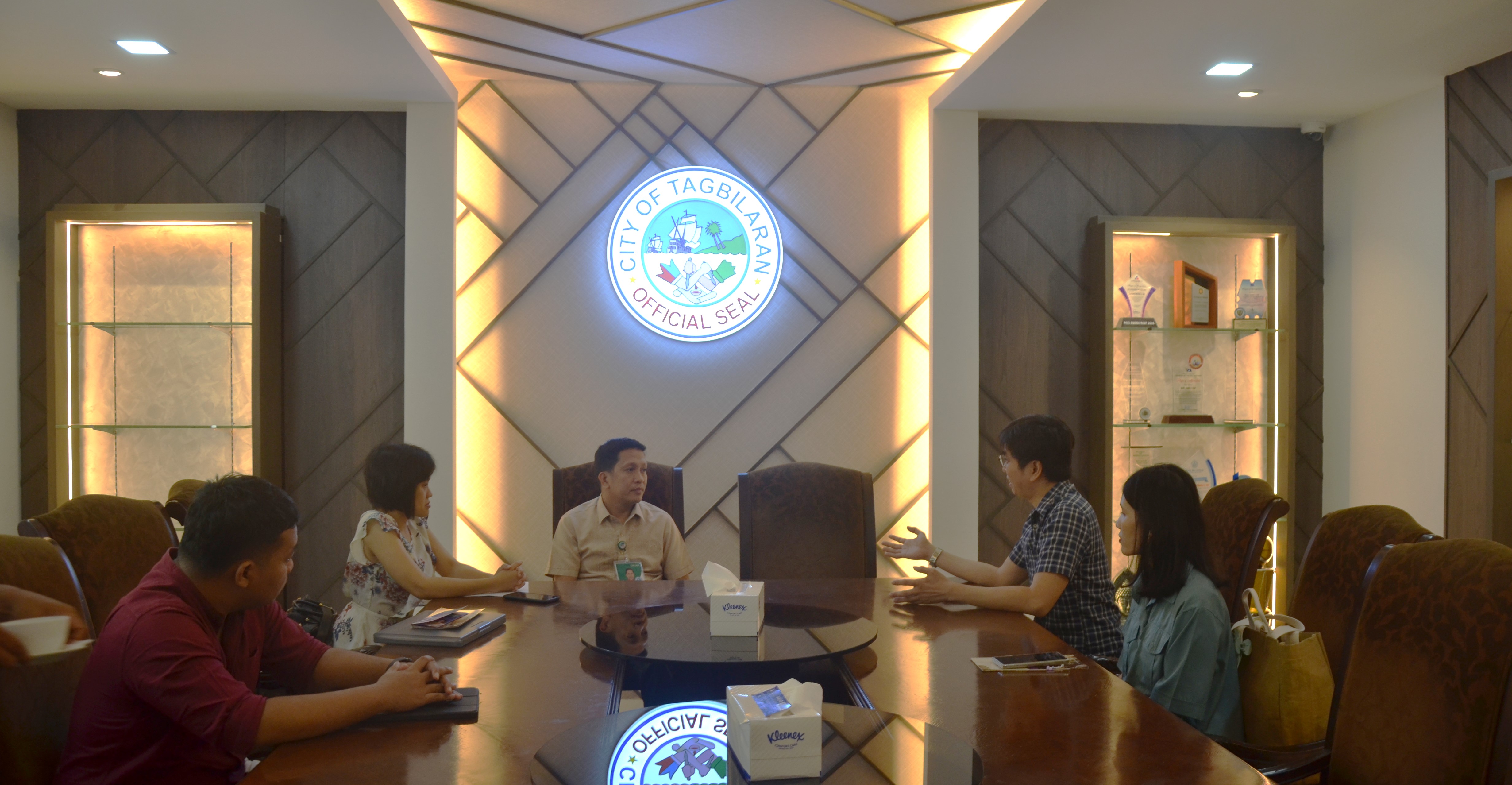
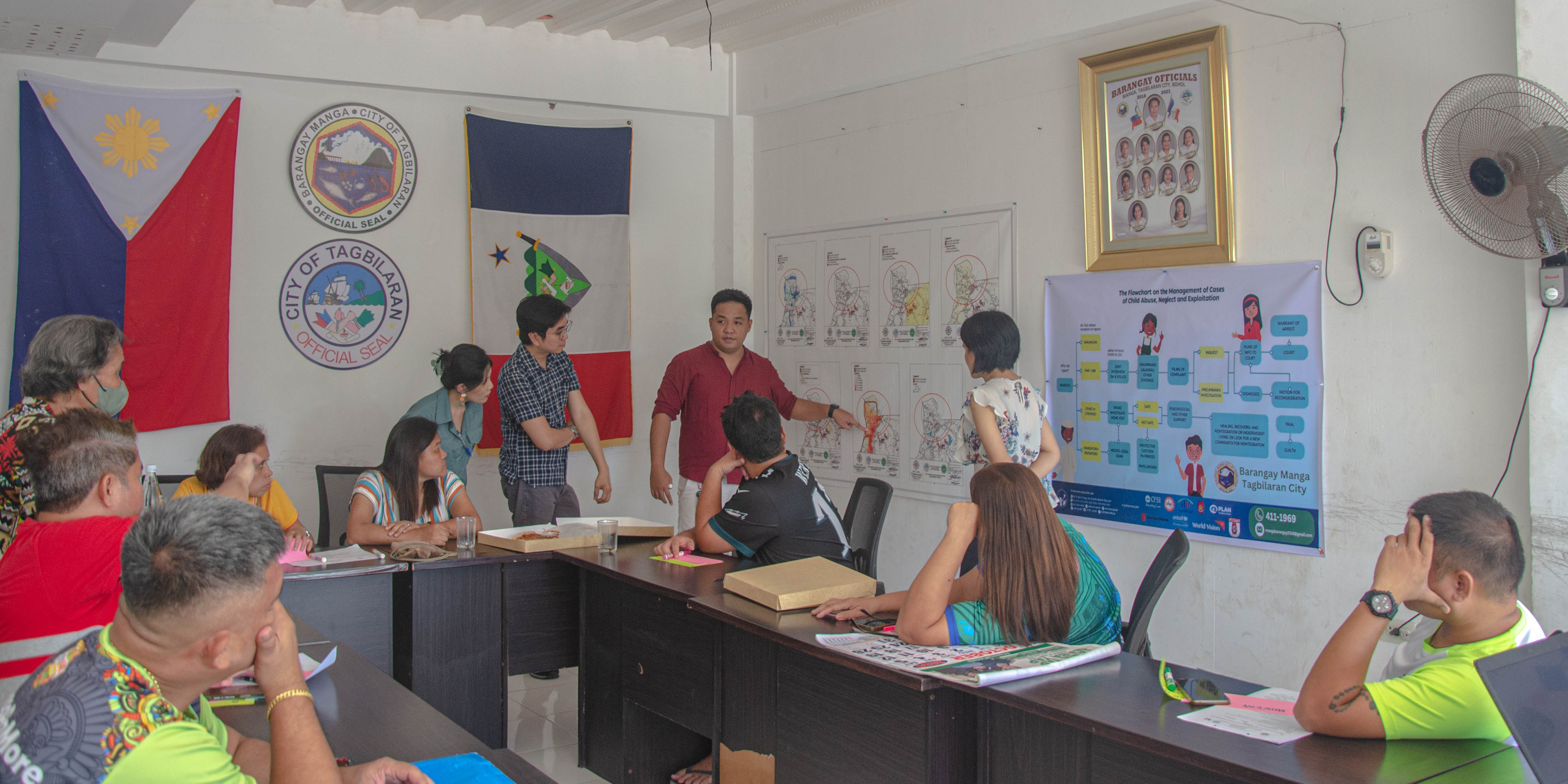
The fieldwork for this project officially began with a courtesy call to the Office of the City Mayor, where City Administrator Mr. Alvin Acuzar welcomed the team on 30 September 2024. Several focus group discussions followed, bringing together department heads, members of the Sangguniang Panlungsod, civil society organizations, and the Barangay Local Government Unit (BLGU) of Manga to gather insights on the city’s current plans and opportunities for advancement.

The Urban Act Project is a collaboration between ICSC, the German Development Cooperation (GIZ), Clean Air Asia (CAA), and the Department of the Interior and Local Government (DILG). It is set to implement its activities in Tagbilaran, Antipolo, and Bacolod, with the aim of promoting low-carbon and climate-resilient cities across the country.

The research and scoping study are expected to conclude by December 2024, providing critical insights that will help shape the city’s climate adaptation strategies and financial frameworks for sustainable urban growth.

Step Up Consulting Completes Assessment Study on Microfinance Client Continuity and Loan Program Impact

In a proactive stride aimed at fortifying the efficacy and longevity of microfinance initiatives, Step Up Consulting has wrapped up an insightful assessment study shedding light on pivotal factors influencing client continuity and engagement within microfinance institutions (MFIs).

The study meticulously examined the concerning trend of active borrowers transitioning into inactive status within MFIs. This trend, which has sparked concerns among MFI leadership, underscores theneed to uncover the root causes behind clients’ hesitancy to participate in subsequent loan cycles.

Understanding that sustained client involvement is paramount for the success and societal impact of microfinance endeavors, the study delved deep into the intricacies of client behavior and preferences. Its objective was to produce actionable insights to fortify strategies for bolstering client retention and participation.

By grappling with the core challenges impeding client continuity and engagement, the study meticulously explored avenues to foster a more inclusive and sustainable microfinance landscape. Such an environment holds the promise of harnessing the transformative potential of financial inclusion to its fullest extent.

Step Up Completes Alburquerque Creative Village Feasibility Study

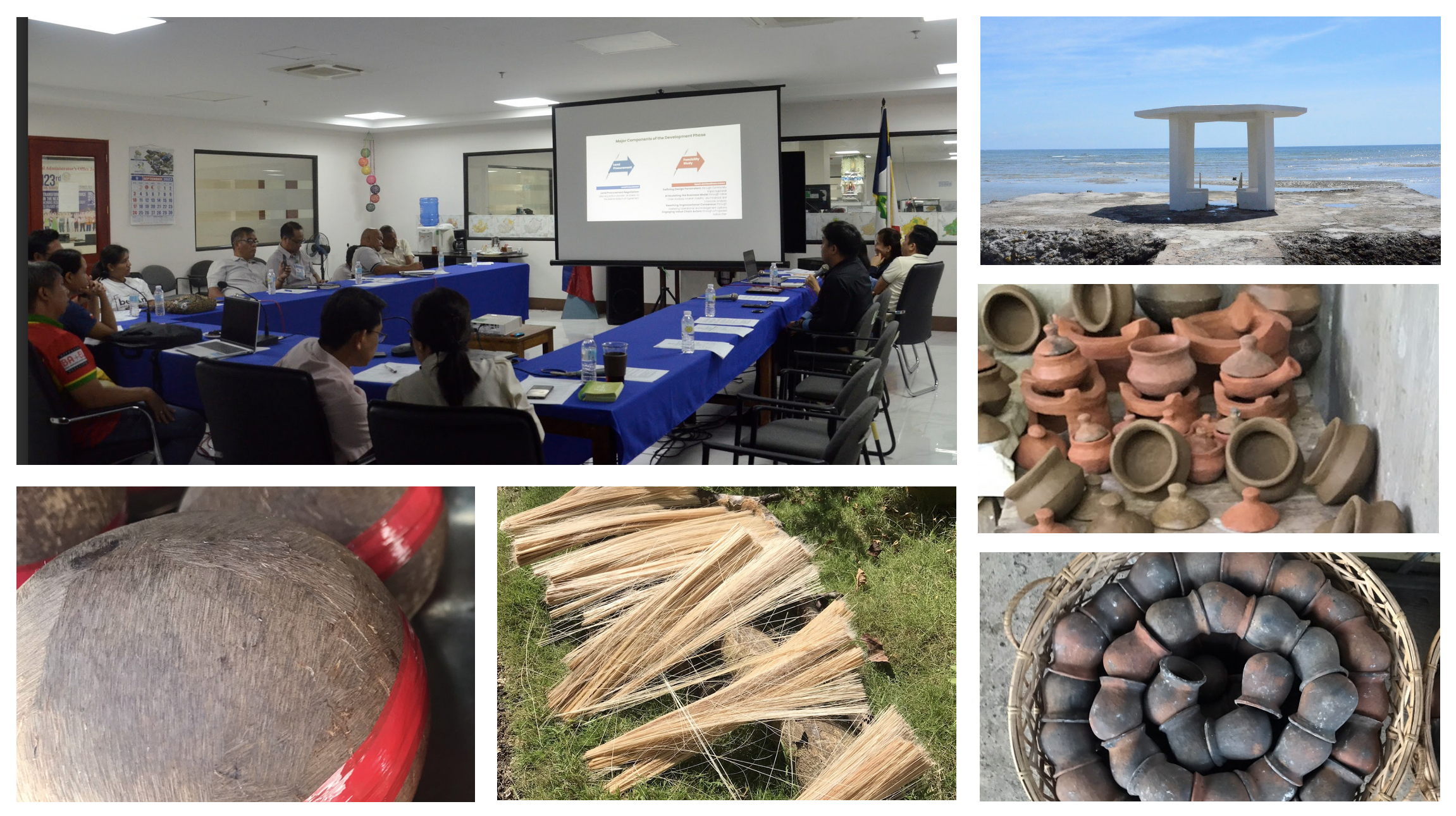
With the Provincial Government’s aim to help re-open Bohol’s tourism economy by developing new attractions, enhancing existing circuits and reporting re-branding efforts, including capturing the faith-based tourism and MICE markets, an establishment of a creative village in the town of Alburqurque was investigated by the Bohol Investment Promotion Center. Step Up consulting services was contracted to undertake the feasibility research. The study was conducted from November 2023 to September 2024.

The study focused on the feasibility of establishing a Creative Village in the Municipality of Alburquerque in Bohol, particularly determining strategies for its viability and sustainability. The feasibility aimed to cover five key aspects – social preparations, market, business models, and integrated value chain of the identified key industries.

The town of Alburquerque is a rich microcosm of local heritage, culture and faith-based traditions showcasing the community life of the Boholanos.  These are evident in crafts, foods, music, and the presence of a culturally important national property – the Sta. Monica Church.  The Sta. Monica Church is one of the major cultural destinations for tourists and visitors who appreciate its historical and cultural value.

The project, Alburquerque Creative Village, is basically envisioned to provide a platform where local villages will be set up to showcase the crafts, cuisine, and others, particularly those that have been practiced in the locality. Highlights of the craft villages will be centuries-old crafts and food including raffia loom weaving, pottery/ceramics, a sweet delicacy called calamay, sculpted religious arts, utility and decorative baskets, traditional brooms, local salt called asin tibook (sea salt molded in clay pots. The music rendered by their traditional ensemble will also be revived. Model farms will also be set up showcasing local produce such as ubi kinampay (purple yam), vegetables, cut flowers etc.

In the design, the creative village will be constructed in a 2-hectare property located in East and West Poblacion Albur.  The site shall be procured by the Provincial Government of Bohol with technical assistance from the Municipal Government of Albur, while the management will be lodged at the Bohol Local Economic Development and Promotion Center.

The establishment of the creative village aims to also Provide a platform to showcase Bohol’s unique identity through local artisans, craftsmen and women who will highlight their skills and expertise in the field of ethnic arts and food and will make available these products through the craft village concept where this will serve as a one-stop shop venue for people and tourists to appreciate and experience these traditions, cultural practices and artisanal products;

Step Up Completes COVID-19 and Higher Education Research

Step Up Consulting has recently published the results of its research on the impact of COVID-19 on higher education in South Africa, Australia, and the Philippines. The research was funded by the International Telecommunications Union through the Connect2Recover global competition.

Connect2Recover is a global initiative that aims to reinforce the digital infrastructure and digital ecosystems of beneficiary countries.

In 2021, the International Telecommunications Union launched the “Connect2Recover Research Competition” to identify promising research proposals that will accelerate digital inclusion during the COVID-19 recovery globally.

The objectives of the competition were to improve research focus on digital resiliency and digital inclusion to build back better with broadband for pandemic recovery; to build a global research community of think tanks and academic institutions around digital inclusion; and to promote knowledge sharing that informs targeted practices to build back better with broadband.

The proposal submitted by Step Up Consulting titled ‘Making Higher Education Truly Inclusive’ was selected as one of fifteen successful applications. You can find on this project website the findings, insights and recommendations that have emerged from the ‘Making Higher Education Truly Inclusive’ research project.

Mentoring for Open Contracting Research

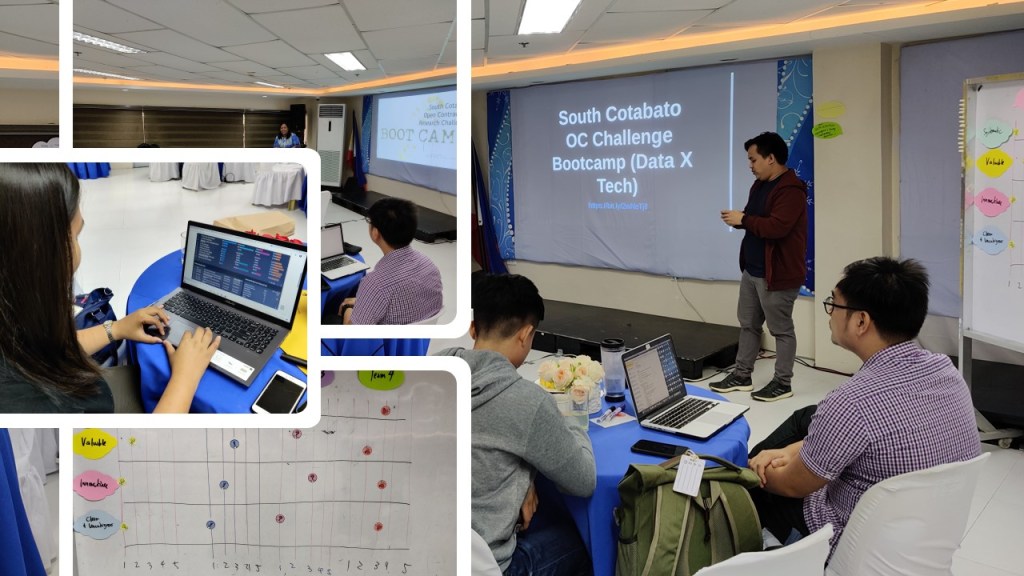
On 24 June 2020, Step Up Strategy Advisor Michael Canares facilitated a research presentation of seven researchers from Notre Dame of Marbel University who used open contracting data to analyse procurement performance of the Provincial Government of South Cotabato. Mr. Canares led a team of mentors who trained and coached the researchers in undertaking research projects on public procurement. The project, dubbed as the First South Cotabato Open Contracting Research Challenge, was implemented by the European Chamber of Commerce in the Philippines with funding support from HIVOS.

The research projects were as follows:

Team 1-Forecasting Contractors’ Slippage for Infrastructure Projects in South Cotabato, by Cubort Bulanon and Chucky Marie Fernandez

Team 2- Finding Areas Underserved by High Schools in South Cotabato Using Network Analysis by Elisha Alvarado

Team 3 – Analysing Cost Efficiency of Procurement by Lot, by Michelle Capistrano

Team 4 – Profiling Contractor Performance of Contractors in the Province of South Cotabato, by Denver John Acebedo, Neiljan Raborar, and Fritz Tuazon

The research teams were identified in February this year and were trained through a Research Boot Camp held in General Santos City on March 11-13, 2020. The researchers then conducted research implementation from March to May this year, despite the pandemic. Luckily, the province of South Cotabato was least affected by COVID 19, allowing the researchers to conduct field implementation using both offline and online means.

Mr Canares mentored Teams 3 and 4, while Team 1 was mentored by Layertech Software Labs CEO Frei Sangil and Team 2 by Ben Hur Pintor, geospatial generalist, open-source and open data advocate, and maptivist.

HIVOS Publishes Step Up’s Paper on Open Contracting and Inclusion

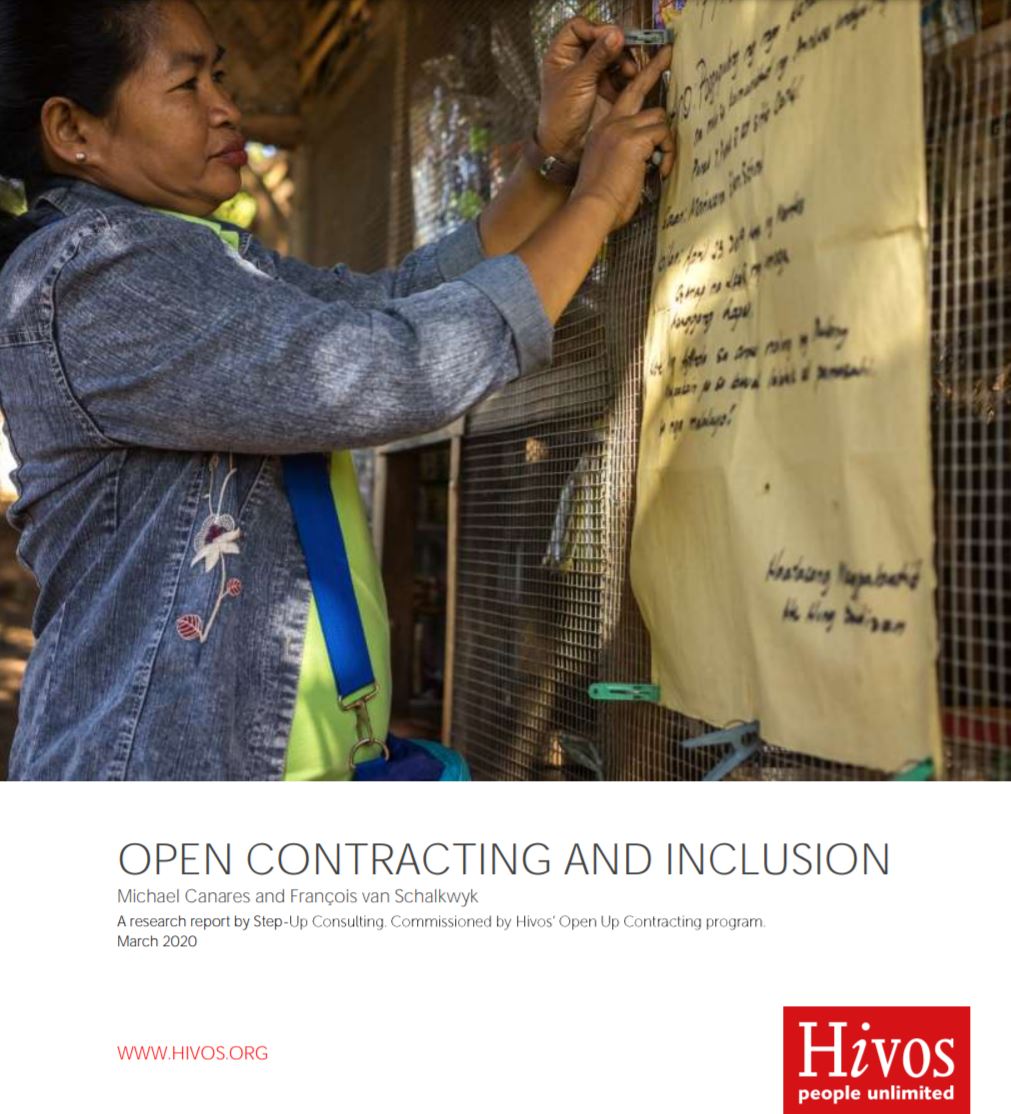
hivos book cover

Hivos, a development organization based in the Netherlands recently published a research it commissioned to Step Up Consulting. The research, done by Michael Canares and Francois van Schalkwyk, interrogates whether open contracting reforms can or can not lead to increased equality and inclusion in public contracting processes.

Open contracting has been adopted by more than 35 governments worldwide and has received significant attention from advocates and researchers alike. According to the organisation Open Contracting Partnership, open contracting has become “a new global norm, recommended and endorsed by global bodies such as the G7, the G20, OECD, the European Commission, the World Bank, and the European Bank of Reconstruction and Development”. However, evidence of the concrete benefits that open contracting delivers derives from a limited sample of case studies or single-country research pilots.

The research made use of a case study approach covering 5 low and middle-income countries.  The cases covered are as follows:

    1. Bandung, Indonesia: an open contracting pilot project implemented the City of Bandung with the support of the World Bank and the National Procurement Agency. The citizen engagement component of the project was implemented by World Wide Web Foundation’s Open Data Lab Jakarta, the aim of which is to cultivate use of published contracting data by the city government of Bandung, Indonesia.  
    2. Bantay Kita, Philippines: Open mining governance to increase access, understanding and use of mining contract data in Cebu and Palawan provinces in the Philippines.
    3. Budeshi, Nigeria aims to ensure that public service delivery in Nigeria is opened to public scrutiny. Budeshi also requires that data across the budget and procurement processes are structured enough to enable various stages to be linked to each other and, eventually, to public services.
    4. Preferential Procurement, South Africa: Public procurement regulations introduced by the national government in 2017 stipulating that at least 30% of the value of all government contracts of ZAR30 million or more must be subcontracted to specified disadvantaged groups, including youth and women.
    5. Access to Government Procurement Opportunities, Kenya: Public procurement regulations introduced by the national government in 2013 stipulating that at least 30% of all government contracts must be subcontracted to specified disadvantaged groups, including youth and women.

If you are interested to learn more about the research, please download the file from this link.


Step Up Develops Guide on Road Asset Valuation

LRMPATStep Up Consulting Services was contracted by the Louis Berger Group, Inc. to draft the guidelines n Provincial Road Asset Valuation based on inputs from the Department of Public Works and Highways,  the Department of Interior and Local Government, and Institute of Public Works Engineering Australia.

Road asset accounting is a problematic practice in the Philippines. The most recent pronouncement in road asset accounting was the New Government Accounting Systems (NGAS) promulgated in 2001 through COA Circular 2001-005. While the NGAS, through the NGAS Manual, prescribes the rules in accounting for road assets, the corresponding effect on financial statements is severe when the time the road assets are completed.  Road assets on construction are debited to a Construction in Progress account but this is eventually closed to Government Equity account upon road asset completion.  As a result, road assets are no longer valued in the financial statements but are only disclosed as Public Infrastructure in the Notes to Financial Statements.

This accounting treatment has several effects. Road assets are no longer treated as assets but expenses, theoretically, as the values are closed against the equity account. Correspondingly, monitoring these assets become virtually impossible because they are not considered as part of the fixed assets inventory, and thus, are not provided with depreciation.  While road condition of the province has improved because of the rehabilitation, the provincial LGU’s value (represented by its equity account) decreased because the assets are technically charged against the equity account.  Under normal circumstances, this could not have been possible.  Asset acquisitions should have increased the net value of a local government unit.

This engagement is critical to ensure that road assets are valued in financial statements of local government units.

Step Up Presents at ICEDEG Conference in Ecuador

The Panel Members and ICEDEG 2015 Ecuador

Managing consultant of Step Up Consulting Services joins the panel of four speakers conducting a tutorial on Open Government and Open Data at the International Conference on E-Democracy and E-Government.  The conference was held at the Universidad de Las Americas in Quito, Ecuador, last 8-10 April, 2015.

Michael Canares spoke about Open Government and Open Data in Asia and joined Sandra Elena and German Stalker of the Centro de Implementación de Políticas Públicas para la Equidad y el Crecimiento (Argentina) , Francois Van Schalkwyk of African Minds (South Africa), and Carlos Jimenez (Spain), founder of the IEEE e-government initiative.

The participation of Michael Canares in the conference was funded by a paper dissemination grant from the International Development Research Center through World Wide Web Foundation.