Baybay sa Taloto Partners with Step Up for Landmark Strategic Planning Session 

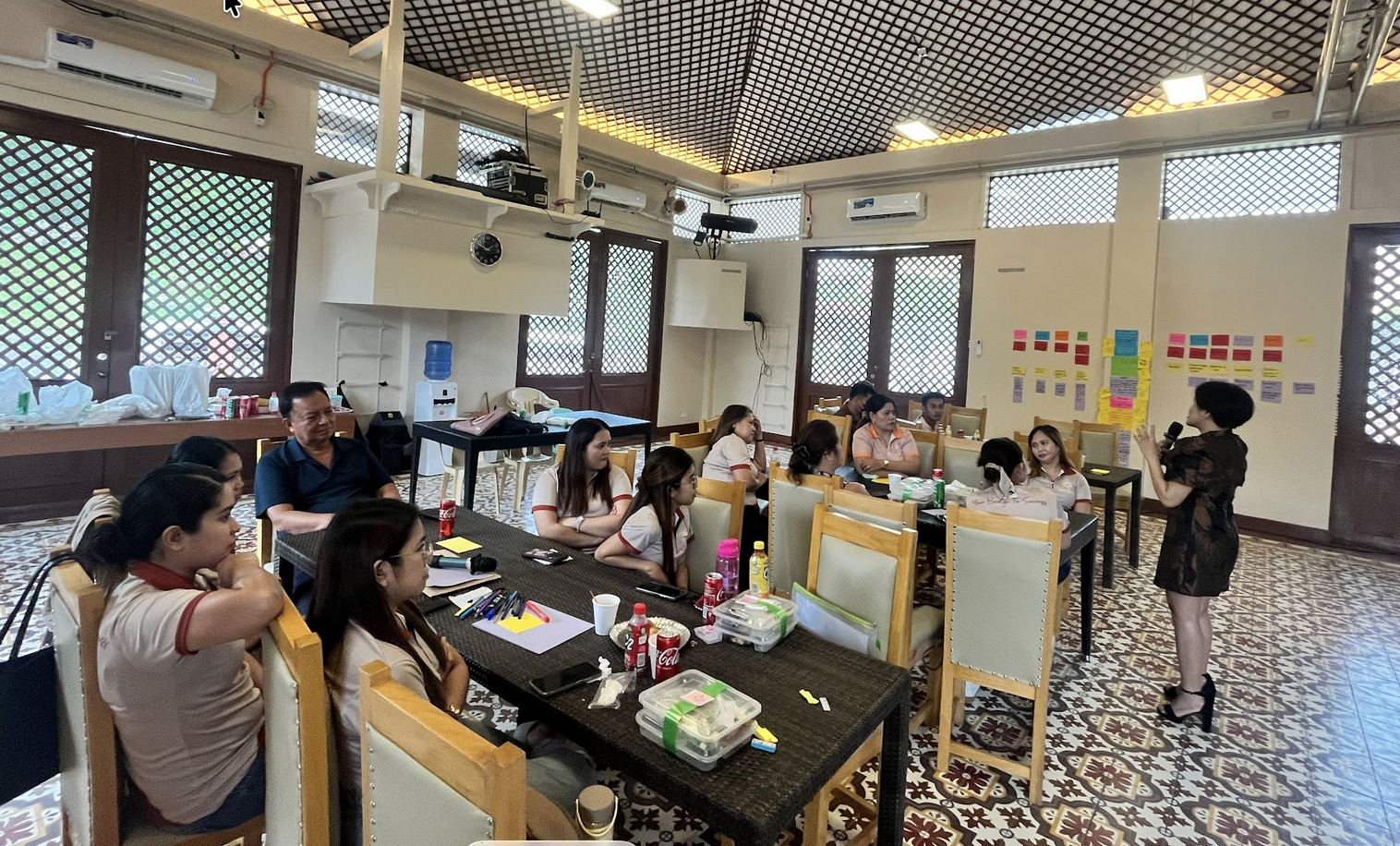
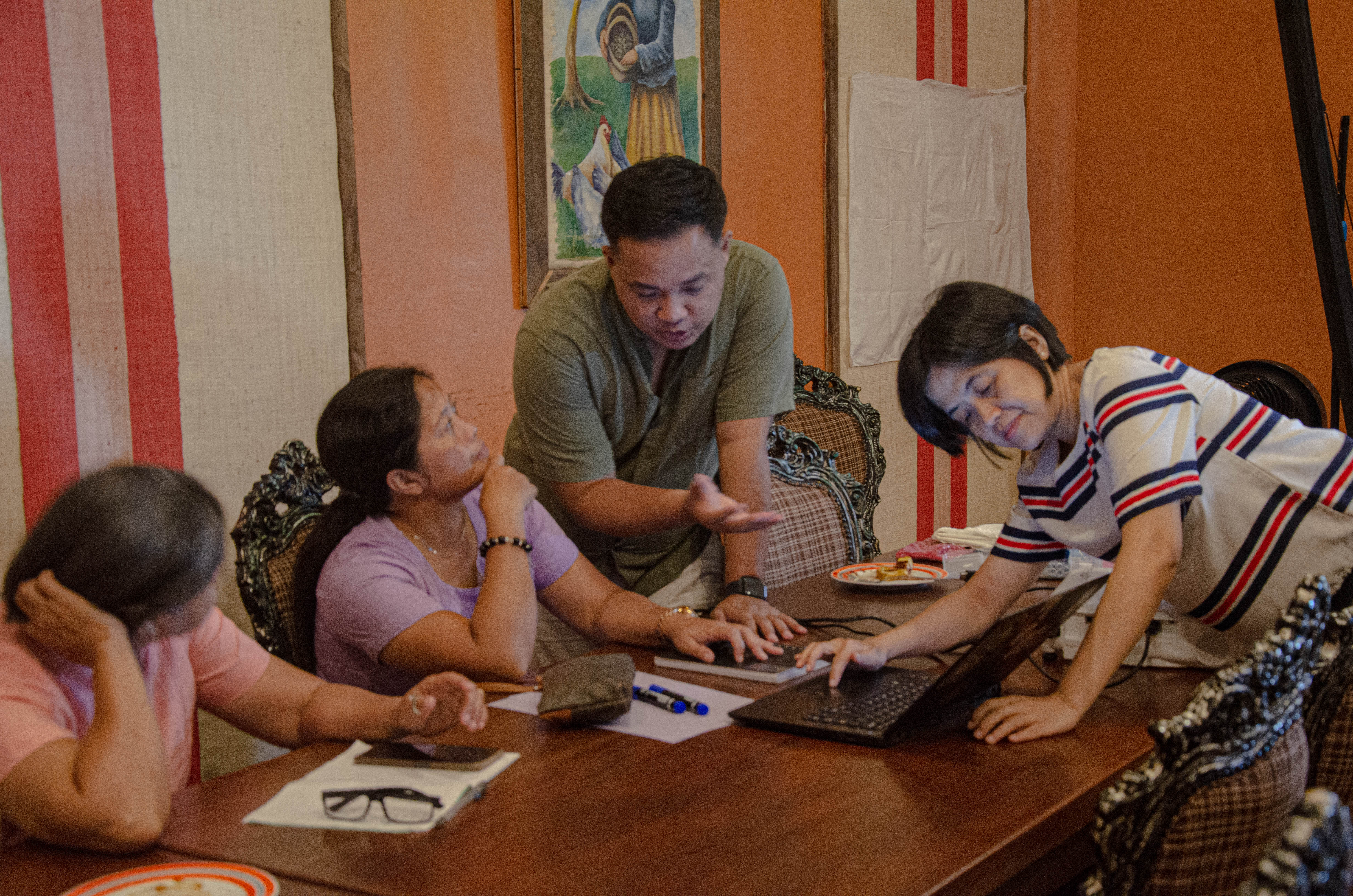
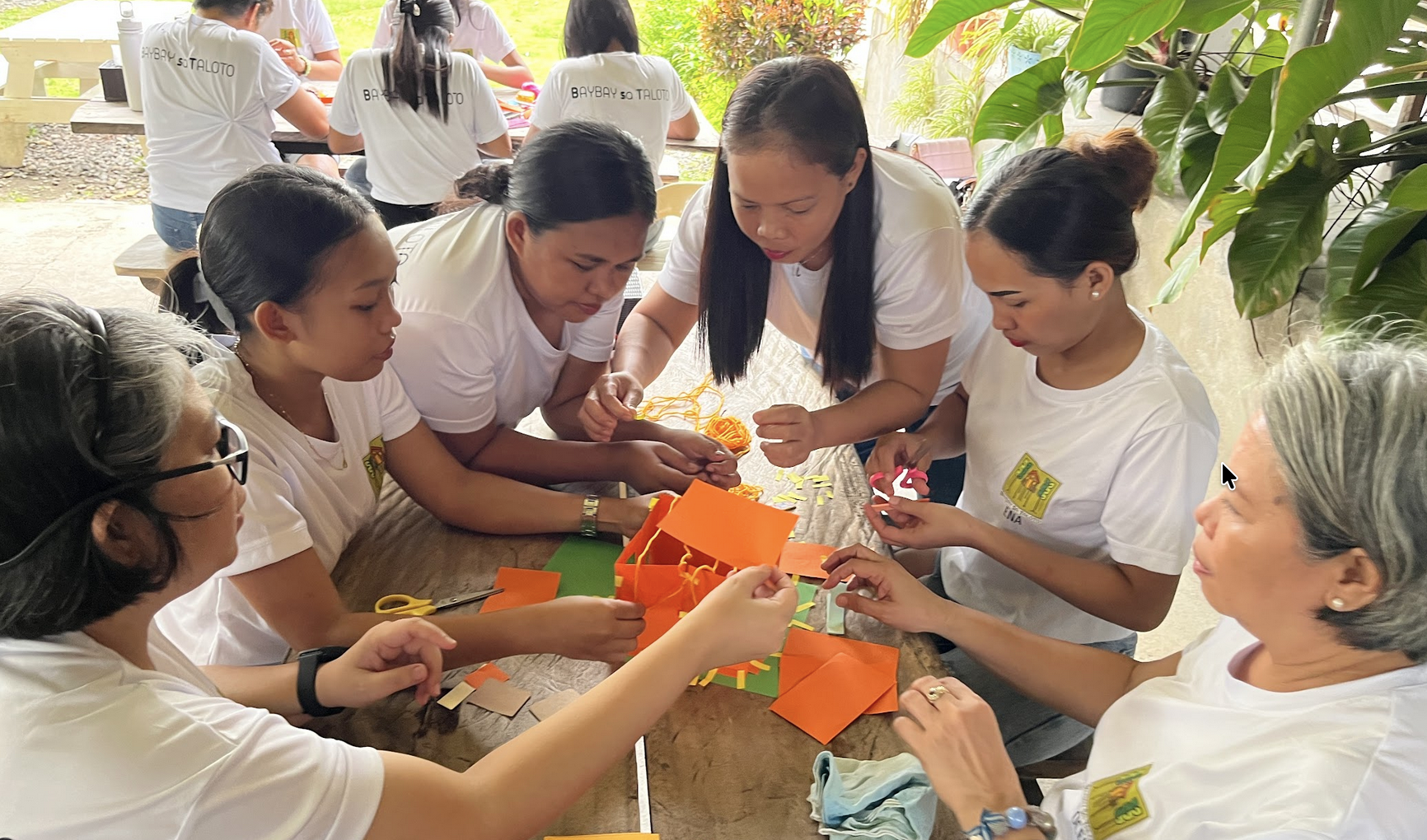
Entering its fifth year of operation, the popular seaside dining spot Baybay sa Taloto (BsT) successfully held its first-ever formal strategic planning workshop in January 2026, marking a major milestone in its journey as it grows from a cozy local spot into a restaurant rooted in slow food values.

The planning session, facilitated by Step Up Consulting, represents a strategic shift for the homegrown enterprise—signaling its intent to move beyond organic growth toward a more structured and sustainable business model. Once known primarily as a rustic weekend food getaway along the Taloto–Manga Coastal Road, BsT has steadily evolved into a must-visit seaside retreat for both locals and visitors seeking fresh, home-style cuisine in an alfresco setting.

Since opening on March 20, 2021, Baybay sa Taloto has built a loyal customer base drawn to its laid-back atmosphere and “lutong-bahay” flavors. However, with increasing foot traffic and expanding service demands, the restaurant now faces mounting pressures from rising food costs, escalating energy prices, and the operational complexities of serving larger crowds.

Recognizing these challenges, management emphasized the need to recalibrate its direction.

“After five years of serving our community, we are to re-strategize,” management said. “Our goal is to strengthen our full-service operations while preserving the homey, seaside vibe that our patrons love.”

The strategic planning workshop focused on three core areas:

  • Operational Efficiency. Participants examined ways to optimize kitchen workflows, improve inventory control, and manage utilities more effectively in response to rising food and power costs.
  • Service Innovation. The team explored new concepts to elevate the “slow food” experience—introducing menu improvements, better queue management, and enhanced customer engagement strategies tailored for peak weekend crowds.
  • Future Growth. Clear short- and long-term objectives were set to guide expansion, branding, and service consistency, ensuring that Baybay sa Taloto remains competitive and relevant in Tagbilaran City’s growing food and tourism scene.

Management noted that the workshop is only the beginning of a broader transformation process. The outcomes of the session will inform upcoming operational reforms, staff training initiatives, and menu development plans in the coming months.

With a renewed strategic direction, Baybay sa Taloto aims to strike a balance between professionalized operations and the simple seaside charm that made it a community favorite—positioning itself not just as a dining spot, but as Tagbilaran City’s weekend seaside getaway.
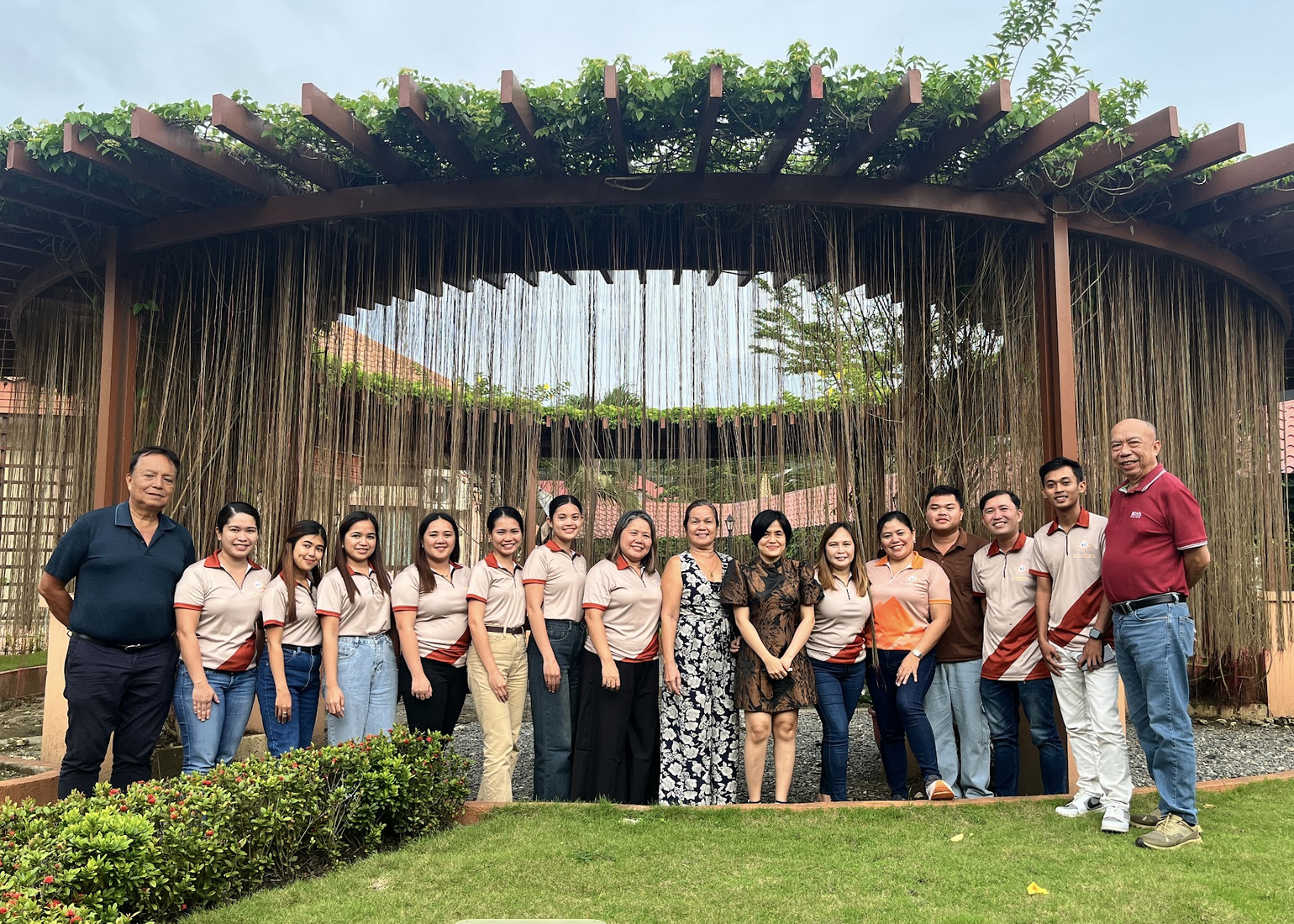
Step Up Conducts Strategic Planning for Buon Pastore Multi-Purpose Cooperative

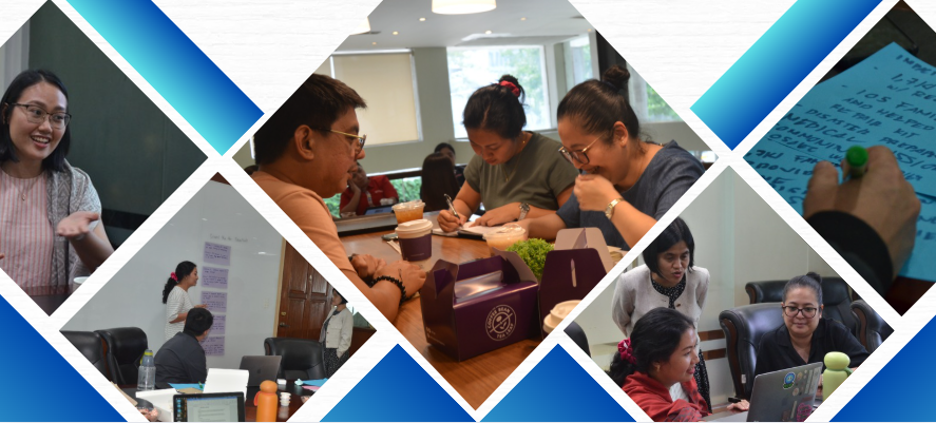
Step Up facilitated a strategic planning activity for Buon Pastore Multi-Purpose Cooperative in November 2025 aimed at strengthening its institutional direction and supporting its continued growth through market diversification and enterprise development.

The activity convened cooperative officers, board members, and general membership representatives to assess organizational performance, identify operational gaps, and define strategic priorities for the coming years. Through guided workshops and participatory discussions, the cooperative was able to align its programs and business initiatives with its long-term development goals and emerging market opportunities.

The strategic planning activity also reinforced Buon Pastore’s commitment to its core values of integrity, service excellence, innovation, sustainability, leadership, and empowerment. Step Up underscored the importance of balancing economic competitiveness with social responsibility by investing in human capital development, enhancing governance systems, and promoting participatory decision-making.

Step Up continues to support local organizations in their development efforts by providing technical assistance, capacity-building services, and strategic guidance toward the achievement of their long-term goals.

Step Up Facilitates Pioneer Bank’s First Comprehensive Strategic Planning Session

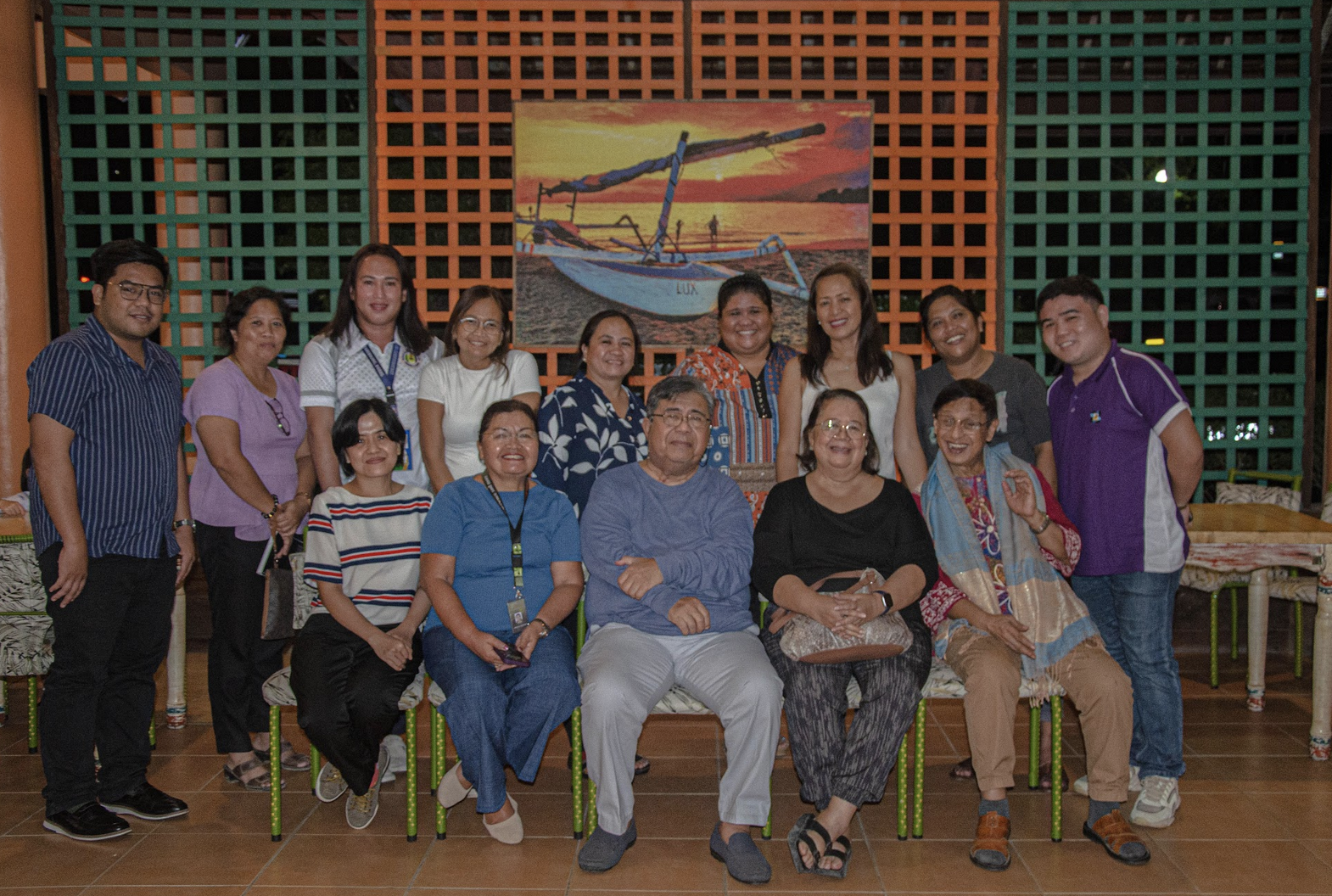
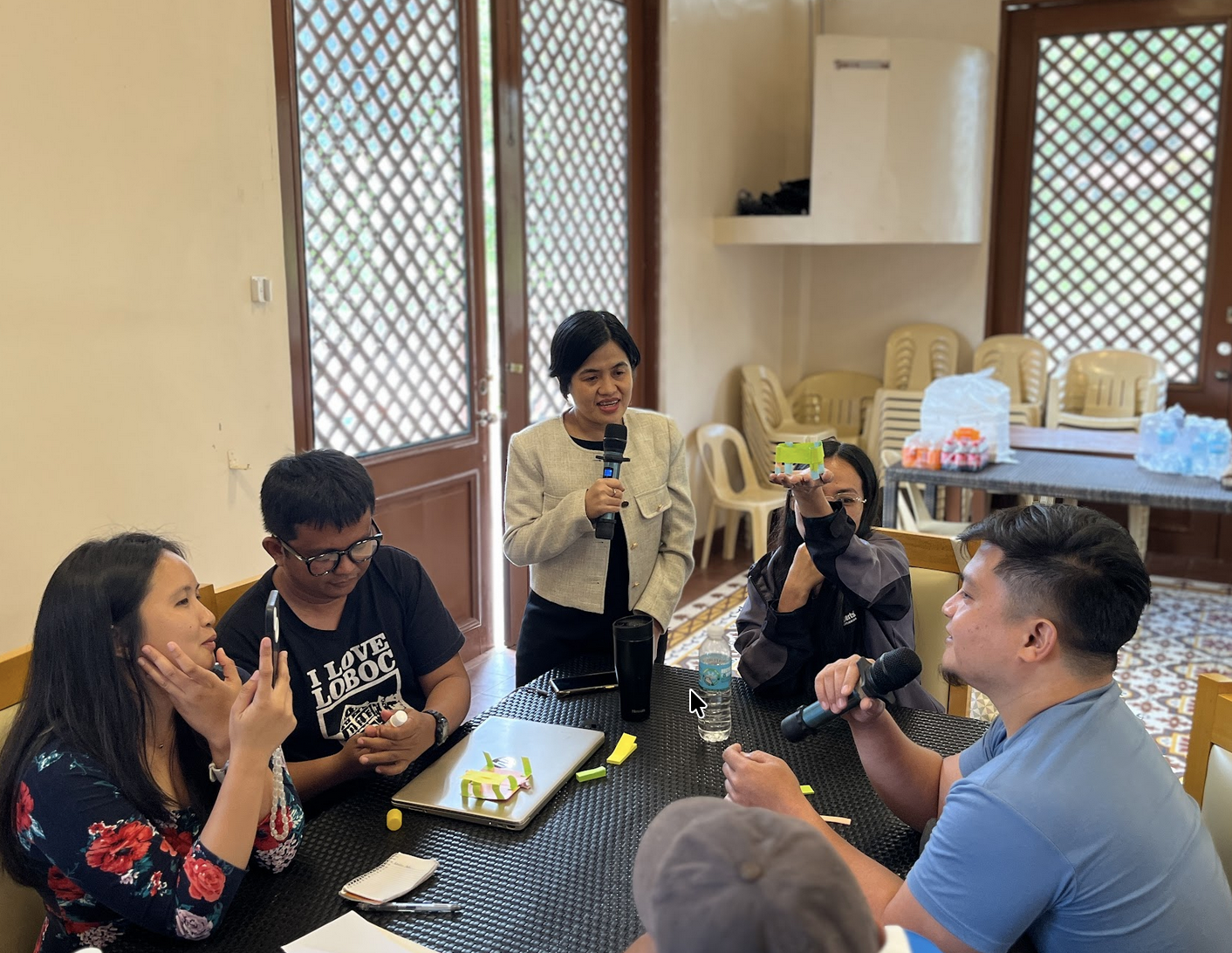
Pioneer Bank (A Rural Bank), Inc., formerly known as the Rural Bank of Loboc, marked a significant milestone in its institutional development with the successful conduct of its Planning Workshop in November 2025. Facilitated by Step Up, the intensive session signaled the bank’s transition toward a more structured and forward-looking approach to growth, in line with its mandate to provide localized financial services under the regulatory framework of the Bangko Sentral ng Pilipinas (BSP).

The workshop served as a technical forum that aligned Pioneer Bank’s institutional direction with the evolving economic landscape of the region. Participants undertook a rigorous validation of the bank’s vision and mission to ensure that its core values remained consistent with its long-term objectives.

To develop a data-driven roadmap, the leadership conducted an extensive environmental scan using PESTLE and SWOT analyses, enabling them to assess both external market conditions and internal operational capacities and to identify the key strategic issues that will shape the bank’s direction over the next five years.

The primary output of the session was the formulation of Strategic Goals for 2026–2031, which were translated into concrete Strategic Initiatives and detailed Action Plans. Bank officials emphasized that the planning exercise goes beyond compliance requirements, serving instead as a blueprint for strengthening community service delivery and institutional sustainability.

The consolidated outputs of the workshop will form the core of Pioneer Bank’s 2026–2031 Strategic Plan, reflecting a proactive shift toward modernized rural banking and a stronger contribution to sustainable regional development and financial inclusion in Bohol.

Tailored M&E Workshop Equips WTRC for Strategic Program Evaluation

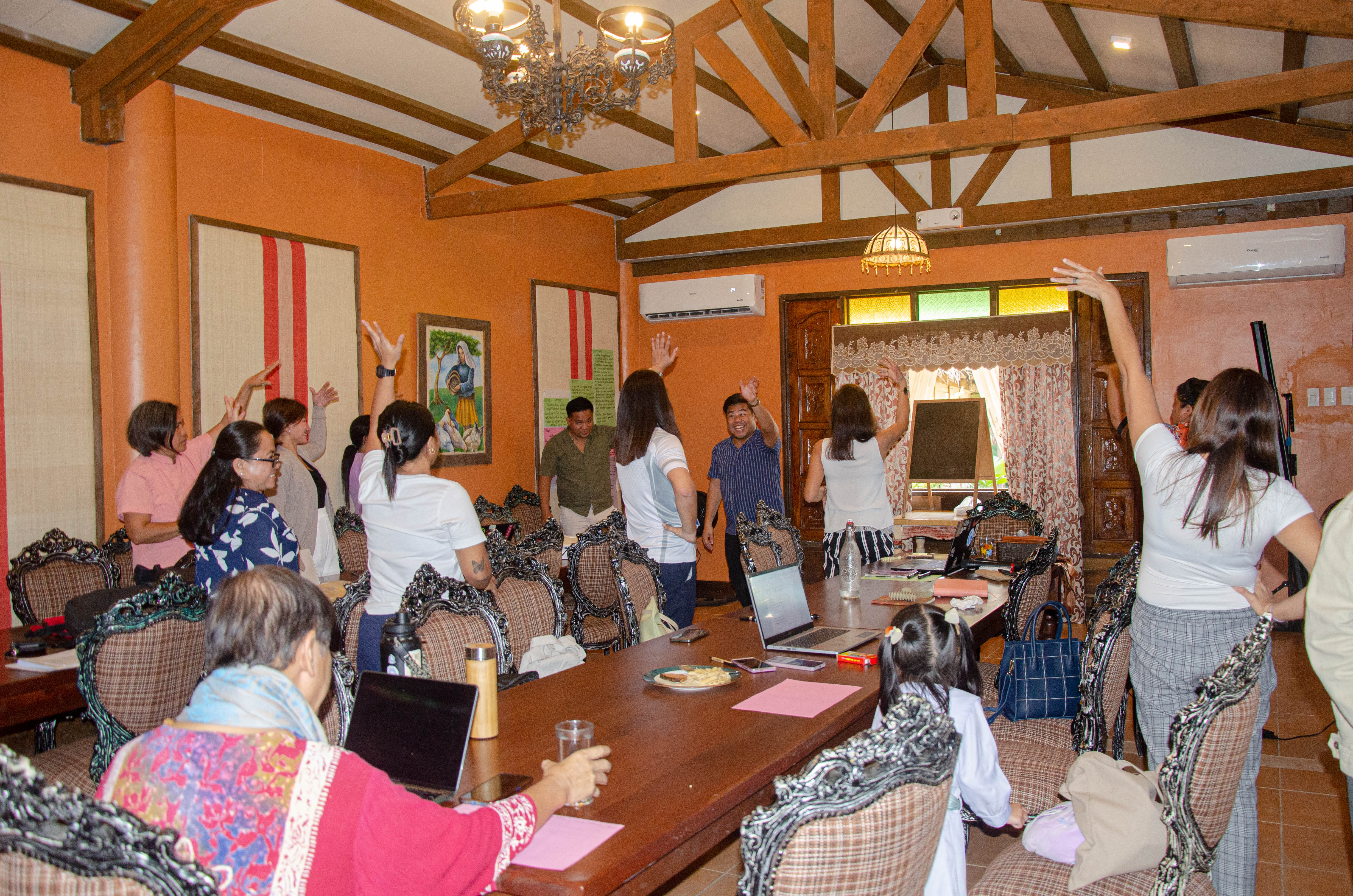
The Wholistic Transformation Resource Center Foundation, Inc. (WTRC) has taken a significant step forward in strengthening its community development work by participating in a customized Monitoring and Evaluation (M&E) capacity development and training workshop.

Facilitated by Step Up Consulting Services, the workshop was specifically designed to align with WTRC’s unique programs and long-term goals, focusing on enhancing internal systems for transparency, accountability, and stakeholder engagement. This initiative reflects WTRC’s commitment to using data-driven approaches to ensure the effectiveness and sustainability of its interventions.

The training aimed to enhance participants’ understanding of core M&E concepts and frameworks, build their capacity to design and implement effective data collection strategies, and improve their ability to analyze and interpret results accurately. WTRC staff also learned to use various M&E tools—such as logic models, performance indicators, and dashboards—to monitor program success and make informed decisions. A key outcome of the workshop was the development of tailored M&E systems that align with the foundation’s mission and can support long-term monitoring and evaluation practices.

Throughout the training, WTRC staff engaged in intensive sessions covering a broad range of M&E topics, including the Logical Framework, Results-Based M&E, and Theory of Change. Participants were also equipped with practical skills in data collection and analysis using tools such as Key Informant Interviews, Focus Group Discussions, and structured surveys. To ensure high data quality and credibility, the Triangulation Method was introduced alongside modern digital tools like Google Forms, Tableau, and AI-powered platforms for data visualization and analysis.

By embedding strong M&E systems across its operations, WTRC aims to align its efforts more closely with the expectations of donors, beneficiaries, and other stakeholders. This capacity-building initiative not only strengthens internal processes but also reinforces WTRC’s dedication to continuous improvement and evidence-based development work. Ultimately, the foundation believes that more effective monitoring and evaluation will lead to deeper, more meaningful, and lasting impacts in the communities it serves.

Step Up Assists Arts and Culture Workshops for Bohol

Step Up reignited its mission to help build sustainable communities through art and culture by reviving the Balik BOKAG initiative. This transformative project taps into the rich heritage and creative industries of communities along the Abatan River. Running from 2024 to 2027, this three-year program is a collaboration among the Abatan River Development Management Council (ARDMC), PROCESS Bohol, Inc., Kasing Sining Inc., local government units (LGUs) of Antequera, Balilihan, Catigbian, Cortes, and Maribojoc, and other stakeholders, with support from the Bohol Arts and Cultural Heritage Council and the Provincial Government of Bohol through the Center for Culture and Arts Development (CCAD).

Revitalizing the Abatan River Theater Space

At the heart of Balik BOKAG (short for Bol-anon Kabilin, Atong Gibahandi) is the vision of transforming the Abatan River Theater Space into a premier cultural venue. The initiative goes beyond physical infrastructure improvements, aiming to strategically position the theatre as a creative hub for the province and the region. Through dedicated training in artistic development, organizational management, and creative business, the program empowers local artists, cultural workers, and community leaders to plan and implement initiatives that create sustainable livelihoods for local communities while enriching Boholano heritage.

The revitalized theatre will not only host regular performances but also serve as a space for local talent to showcase their craft. To ensure its long-term success, the project emphasizes professional management and robust marketing strategies, envisioning the Abatan River as a vibrant cultural and economic centrepiece.

Workshops Lay Groundwork for Success

The initiative’s latest activities included a series of workshops. On August 22, 2024, stakeholders gathered at the PROCESS Conference Center in Tagbilaran City to reflect on the successes and lessons from the earlier phases of BOKAG (BOKAG 1, 2, and 3), which ran from 2015 to 2019. This evaluation included insights from community leaders, artists, and audiences, helping shape a roadmap for the next three years.

Building on this momentum, a two-day strategic planning session followed on November 11–12, 2024, at the scenic Buzzz of Bohol Bee Farm in Cortes. Participants—ranging from local councils to NGO representatives—collaboratively defined the project’s vision, mission, and core values. Discussions centered on the theater’s long-term sustainability, strategies to empower local communities, and the Abatan River’s role in showcasing Bohol’s cultural richness.

A Catalyst for Heritage and Progress

The Balik BOKAG project underscores the critical role of arts and culture in community development. By nurturing local talent and preserving the Boholano heritage, the initiative builds cultural pride and fosters economic resilience.

“Through initiatives like Balik BOKAG, we reaffirm the power of arts and culture to transform communities, creating opportunities for sustainable growth while celebrating our shared heritage,” said a representative from the ARDMC.

With momentum building, Balik BOKAG is poised to leave a lasting legacy—bringing the arts closer to the heart of Boholano life and ensuring that the creative spirit of the Abatan River continues to flow for generations to come.

Step Up Supports Emerging Leaders through WRTC

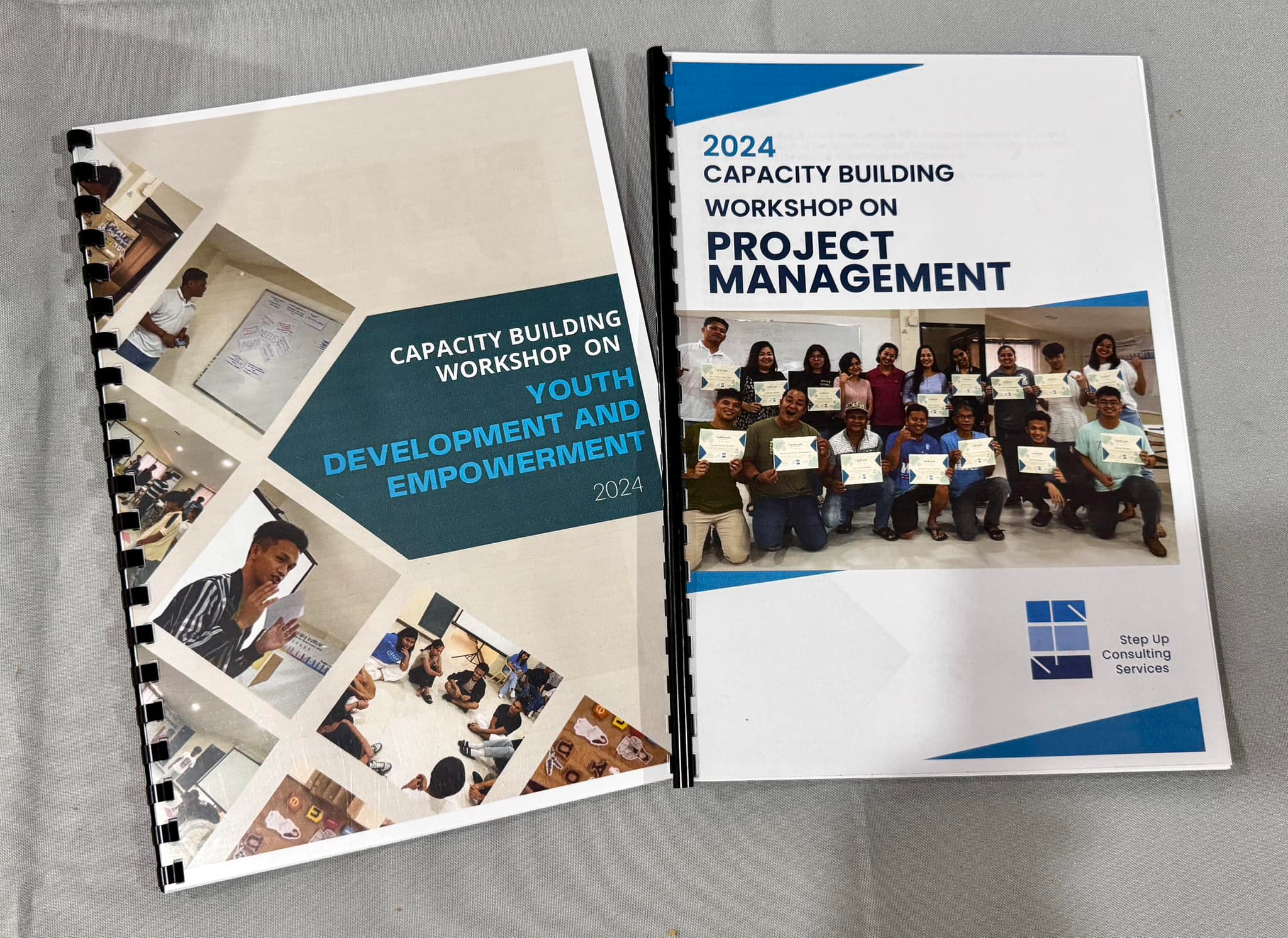
Step Up was commissioned by the Wholistic Transformation Resource Center (WTRC) to facilitate Youth Development and Empowerment Training and Capacity Development on Project Management for the leaders of the Church of Nazarene—GMA as part of its ongoing partnership with the church.

Capacity Development on Project Management

The training, which took place from July 13 to September 14, 2024, was a key initiative to strengthen the project management skills of Church of Nazarene – GMA leaders. The blended sessions—face-to-face and online activities—focused on various stages of project management, including project conception, planning, execution, and monitoring.

The program followed a three-step approach to build the skills of project staff and volunteers:

  1. Capacity Assessment: The first step involved evaluating the current competencies of project staff and volunteers to determine the skills needed for effective project management.
  2. Project Management Strategy Development: In the second step, leaders and volunteers collaborated to create a comprehensive project management strategy detailing the tools and methods for successful project execution and monitoring.
  3. Monitoring and Documentation: The final phase of the training focused on equipping participants with the skills needed to document project progress and assess the impacts of their initiatives to continuously improve the quality and effectiveness of their projects.

The training covered key topics like project initiation, planning, launching, and control, enabling participants to develop a structured approach to managing community-based projects. This initiative improved the leaders’ project management skills and reinforced WTRC’s mission of fostering holistic transformation through partnerships with churches, social enterprises, and other community-based organizations.

The completion of this training marks a significant milestone in the ongoing collaboration between Step Up, WTRC, and the Church of Nazarene—GMA. It reinforces the foundation’s commitment to developing leaders who can drive meaningful change in marginalized communities and support its mission of building stronger, more sustainable communities across the nation.

Youth Development and Empowerment

The training conducted from 20 July to 21 September 2024 focused on building leadership skills, fostering self-care, and enhancing confidence in public speaking. It equipped youth leaders to manage their activities effectively and lead with purpose.
The workshop was designed around key actions to empower participants and create inclusive, supportive spaces for personal and collective growth. Among these strategies were discussions on the importance of self-care and empathy toward others, ensuring that participants felt encouraged to create welcoming environments within their ministries.
A needs assessment conducted through focus group discussions revealed that participants were particularly keen on improving their public speaking abilities, especially when engaging with children and other youth in the ministry. They expressed a desire for leadership training that moved beyond traditional formats, advocating for more interactive, engaging, and meaningful activities. Participants were also eager to explore topics like mental health, online communities, and how to encourage youth participation in ministry.
The training was structured around four main sessions, each designed to be participatory and centred on peer learning. These sessions included:

  1. Session 1: Participation in an Inclusive and Safe Spaces (Care for Self and Others) – Emphasizing the importance of creating inclusive, caring environments where everyone’s voice can be heard.
  2. Session 2: Safety in the Online World – Offering tools and strategies to navigate the complexities of online engagement while ensuring safety for both leaders and youth members.
  3. Session 3: Building Interpersonal Relationships, Self-Confidence, and Communication Skills – Fostering stronger communication, interpersonal skills, and confidence to engage with others effectively.
  4. Session 4: The Leaders We Hope to Become – Encouraging youth to reflect on the qualities they wish to embody as future leaders, helping them align their values with their leadership style.

The dynamic and hands-on nature of the sessions allowed participants to interact directly with their peers, share ideas, and engage in plenary discussions. With an emphasis on creativity, group work, and idea-sharing, the training ensured that each participant had the chance to discover their personal strengths and overcome challenges, especially those related to public speaking.
“Interactive activities, group discussions, and peer-led sharing were key aspects of the training,” explained one participant. “It helped us learn from the facilitator and each other, making the experience much more meaningful.”
The training initiative aligns with Step Up’s broader mission to develop young leaders who are capable, confident, and ready to make a lasting impact in their communities. As the Church of Nazarene – GMA youth leaders implement the skills they’ve learned, Step Up hopes to continue supporting their growth and empowerment through future.

Step Up Trains Ugandan CSOs on Monitoring, Evaluation, and Learning

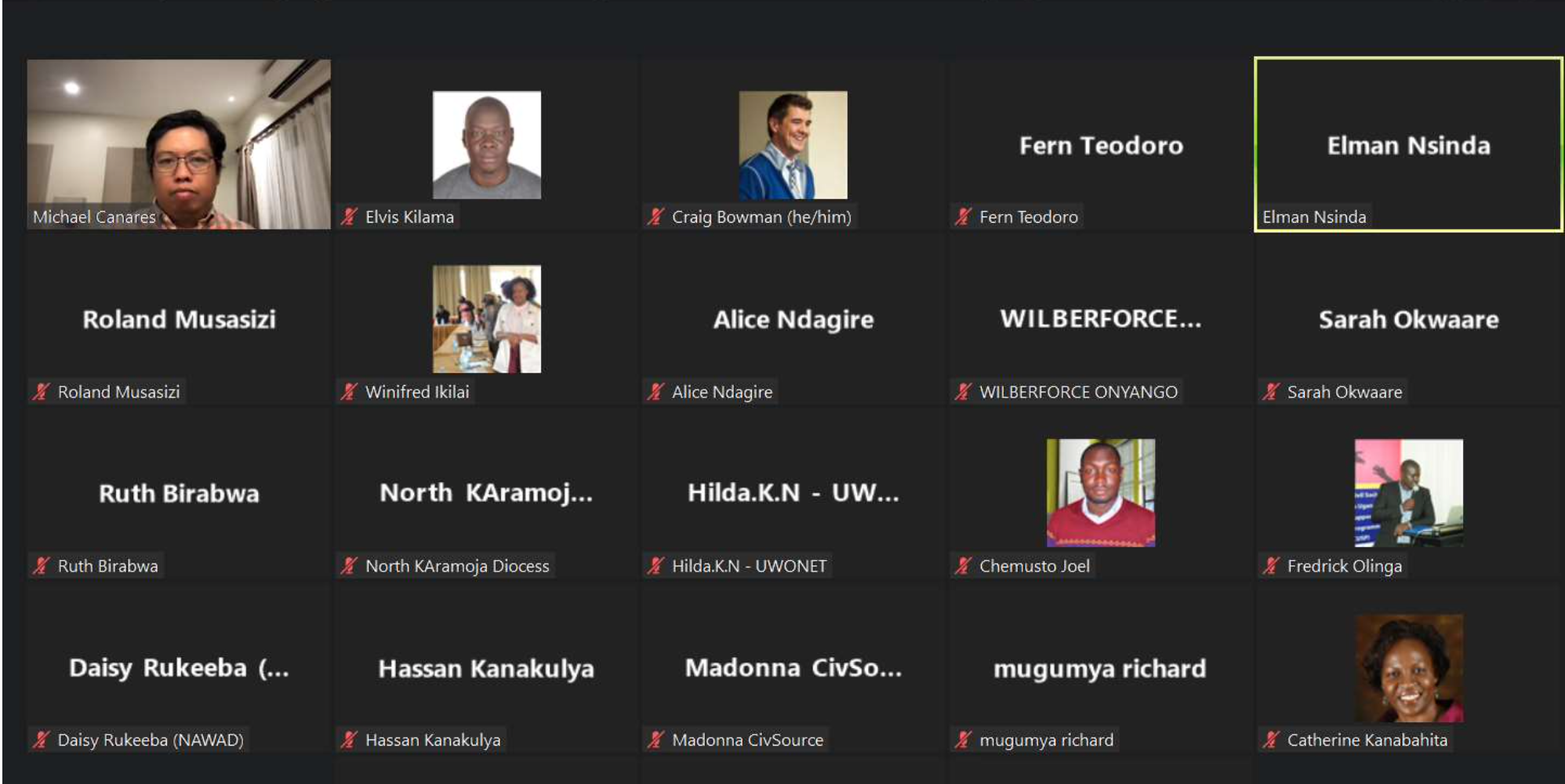
Step Up’s strategy advisor, Michael Canares, was contracted by Common Ground Consulting to train civil society organizations (CSOs) on monitoring, evaluation, and learning. The training, which was held on 15-18 February 2022 via Zoom, is part of the various training programs conducted for Ugandan CSOs by the Civil Society Strengthening Activity (CSSA) training program funded by the United States Agency for International Development.

Twenty-two CSOs attended the training. The cohort included representatives from the Uganda Women’s Network, the National Coalition for Human Rights Defenders, White Ribbon Alliance, Civil Society Budget Advocacy Group, ICT Policy Center for Eastern and Southern Africa, among others.

Synchronous sessions took place from 1 to 5 pm Uganda time (5 to 10 pm Philippine time). Asynchronous sessions, on the other hand, took place every morning of each day through organization-based assignments that are required to be presented during the synchronous sessions each day.

The participants appreciated the training design and delivery. At the end of the training, most of them were excited to use their knowledge to improve the M&E systems of their organizations.

Step Up Advisor Moderates ASEAN Conference on Climate-Smart Land Use

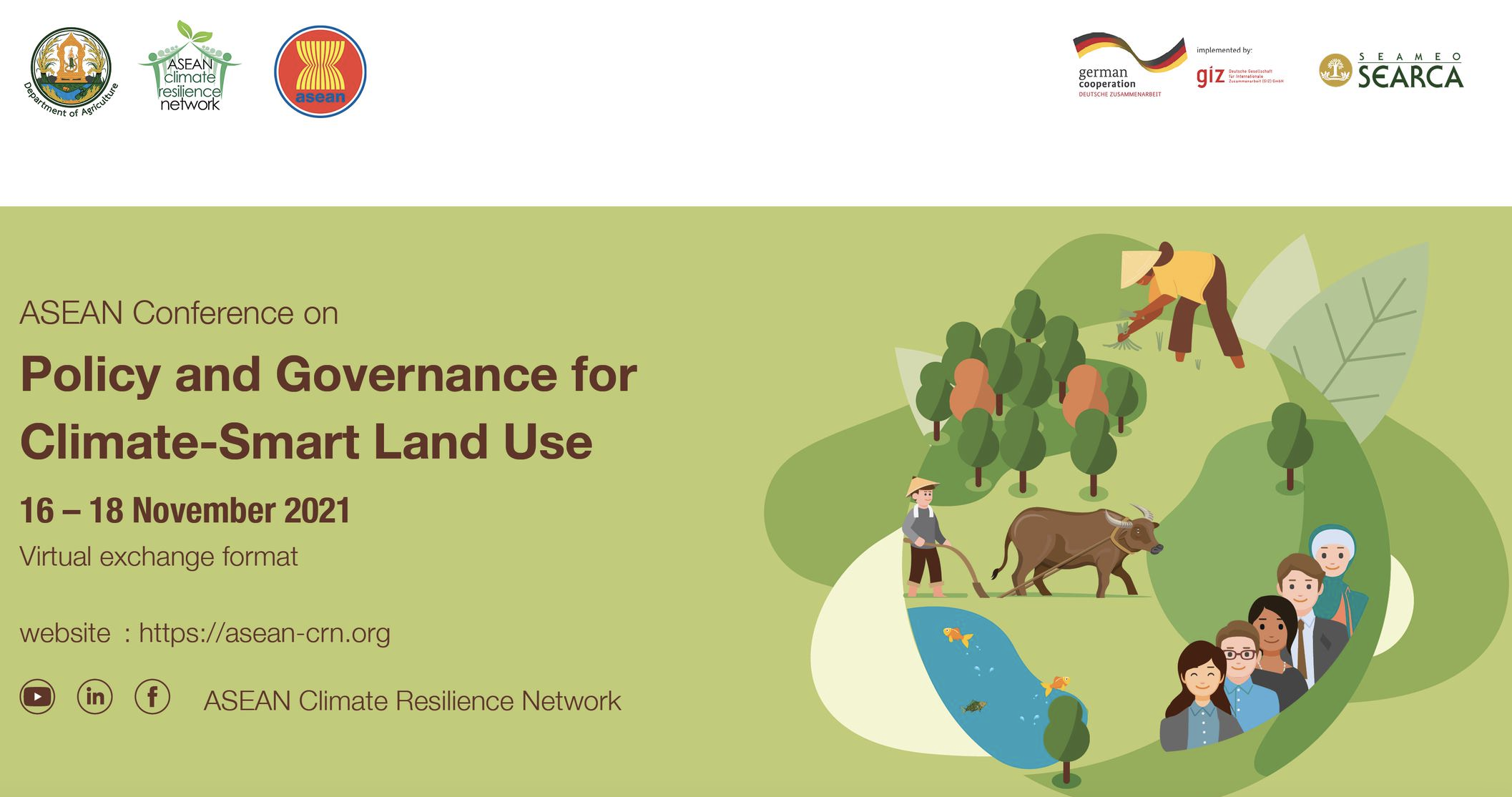
Mr. Michael Canares, Strategy Advisor of Step Up Consulting will be the moderator of the upcoming ASEAN Conference on Policy and Governance for Climate-Smart Land Use. The conference is organized by the ASEAN Climate Resilience Network with the support of the German Federal Ministry for Economic Cooperation and Development through the Deutsche Gesellschaft for Internationale Zusammenarbeit (GIZ). GIZ collaborates with the Southeast Asian Regional Center for Graduate Study and Research in Agriculture (SEARCA) and several other partner organisations to hold this conference.

The conference will be held online on 16-18 November 2021. The conference will tackle three themes, namely:

a. Multi-level Governance for Climate-Smart Land Use

b. Inclusive and Participatory Policy Making for Promotion and Adoption of Climate-Smart Land Use

c. Enabling environment for private investments into Climate-Smart Land Use

The conference is expected to attract policy-makers from ASEAN member states working in the fishery, agriculture, and forestry sectors, rural development and environmental activists, development agencies, research institutions and civil society organisations from across the region.

Step Up Journeys with CCT Group of Ministries in Planning for the New Normal

Step Up Consulting will accompany the CCT Group of Ministries in their planning journey for 2021-2025, adjusting their ways of working to the changing realities brought about by the pandemic and other factors impacting on individuals, families, and communities. The planning process will commence in July with 30 online workshops planned for the local area offices of CCT across the country that will run until October this year.

The Center for Community Transformation Group of Ministries (CCT) is committed to creating lasting wholistic change among the poor. Founded in 1991, CCT has implemented programs and projects directed towards change individual lives, strengthening families, empowering communities and helping transform the nation. 

The CCT GROUP is composed of 16 ministry cooperatives and non-government organizations, each with its own Board of Trustees/Directors, management and staff.  The ministries serve specific poverty groups:  street families, children, youth, micro-entrepreneurs, landless and small-scale farmers, fisherfolk, factory workers, informal workers, tribespeople and the communities-at-large.

Since the beginning of the pandemic, Step Up has been conducting online workshops, consultations, as well as training for different clients globally. However, this is one of the longest online journey commitment that Step Up’s strategy advisor, Michael Canares, will lead this year, using different online tools to create a memorable and productive online workshop experience.

Mr. Canares has worked with the CCT Group of Ministries in the past, more particularly during the Board leadership retreat as well as with the Visions of Hope Christian School, one of CCT’s ministries. Ms. Ruth Callanta, CCT’s multi-awarded president, requested Mr. Canares to lead this process along with a team of committed experts from within CCT family.

Step Up Strategy Advisor Facilitates ASEAN Workshop

PHOTO-2019-02-27-16-38-07(39) (1)

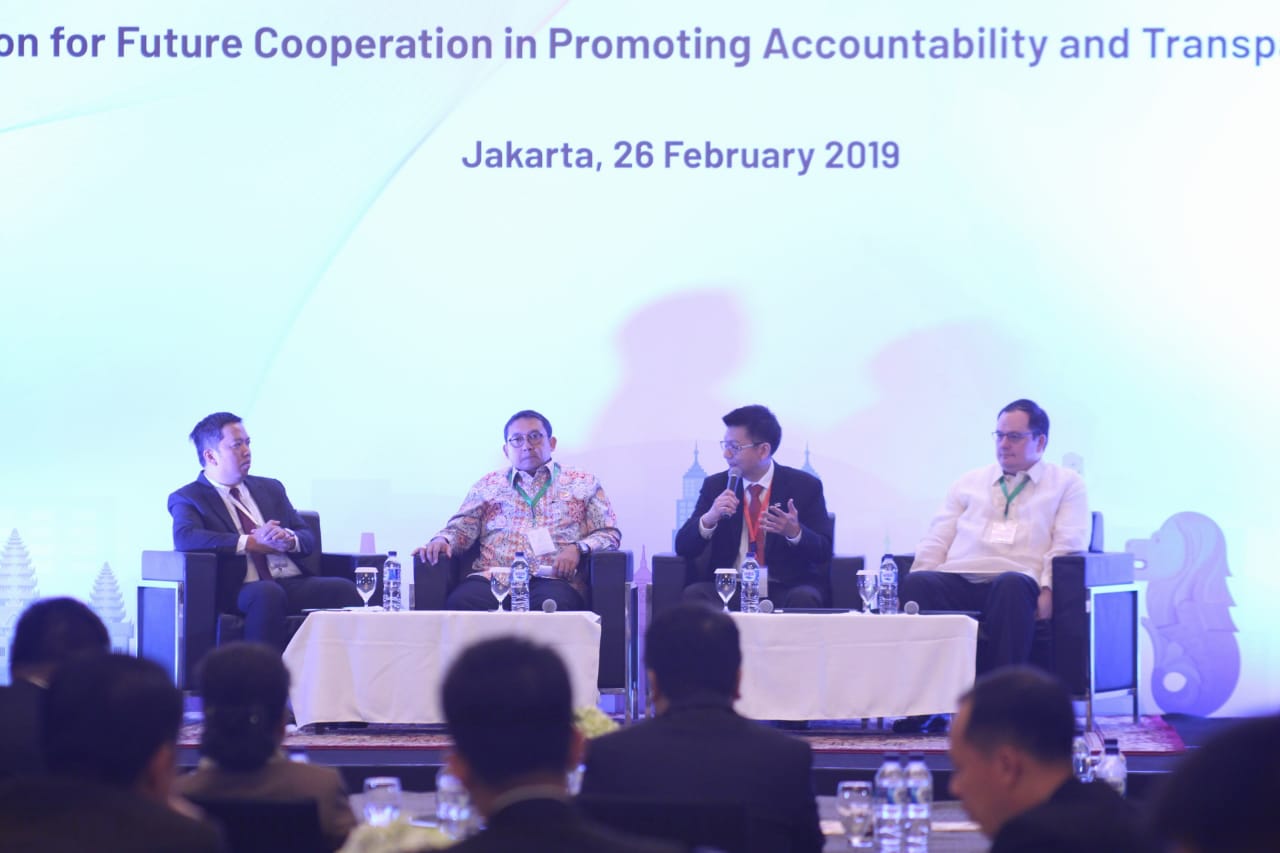
The Association of Southeast Asian Nations (ASEAN), the ASEAN Supreme Audit Institutions (ASEANSAI) and the ASEAN Inter-Parliamentary Assembly (AIPA) held a joint conference last 26 February 2016 with the theme “Laying the Foundation for Future Cooperation in Promoting Transparency and Accountability in the ASEAN”.

The workshop was held at the Sheraton Grand Jakarta Gandaria City Hotel, Indonesia and was attended in by almost 100 participants from 14 countries coming from within and outside the ASEAN. Mr. Michael Canares, Strategy Advisor of Step Up Consulting was hired by GIZ to help design and facilitate the whole day event.

The event was spearheaded by ASEANSAI, a relatively young regional organisation of ten audit offices in the ASEAN region and supported by GIZ.  The event intended to bring together the three organizations  (ASEAN, ASEANSAI and AIPA) to explore more coordinated framework for future joint action and inter-agency collaboration for fostering state-society relationships in ASEAN, including efforts towards Good Governance, transparency and accountability.