Step Up Conducts  Series of Data Gathering Activities for Urban Climate Finance Study in Tagbilaran City

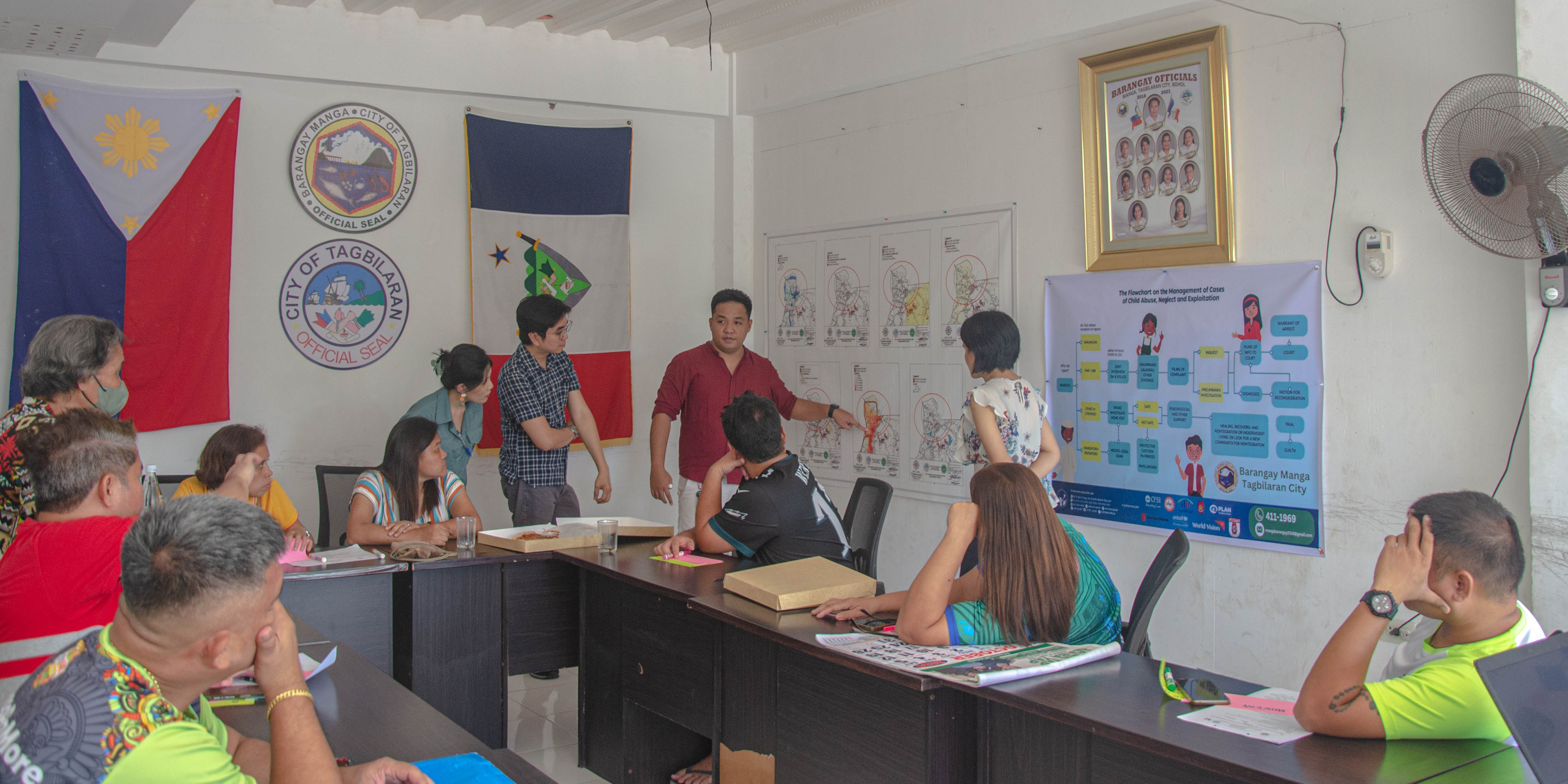
Step Up conducts a series of data-gathering activities for Tagbilaran City Tagbilaran city-level scoping study on enabling conditions for urban climate finance and provides technical support and recommendations to mainstream climate change considerations and Gender Equality, Disability, and Social Inclusion (GEDSI) perspectives into the cities’ investment plans. This is part of a research study commissioned by the Institute for Climate and Sustainable Cities.

The study aims to assess the enabling conditions for climate financing at the city level, leveraging the methodology developed by the Cities Climate Finance Leadership Alliance (CCFLA). This methodology focuses on the “National Assessment of Enabling Framework Conditions for Subnational Climate Finance”. It will be utilized to gauge how well Tagbilaran is positioned to access climate finance for its urban development projects.

Key objectives include:

  1. Developing a scoping study on the conditions that facilitate climate finance in Tagbilaran.
  2. Assessing the city’s development investment programs with a focus on climate and Gender Equality, Disability, and Social Inclusion (GEDSI) considerations.

As part of the study, a range of data collection activities have been scheduled, including focus group discussions, interviews with key stakeholders, and a review of existing documents related to investment planning to provide recommendations for integrating climate change mitigation and adaptation measures, along with GEDSI perspectives, into the city’s investment plans.

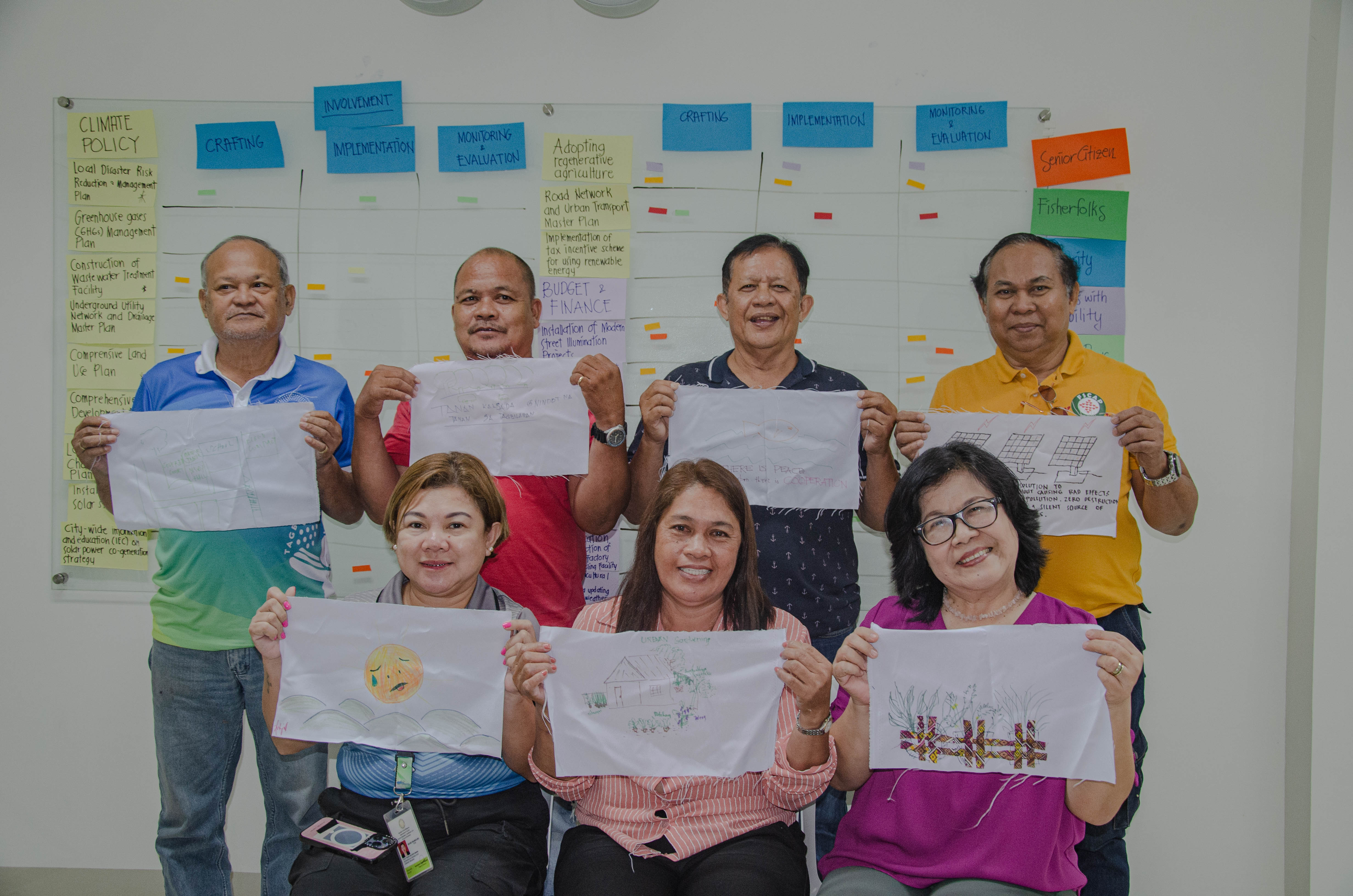
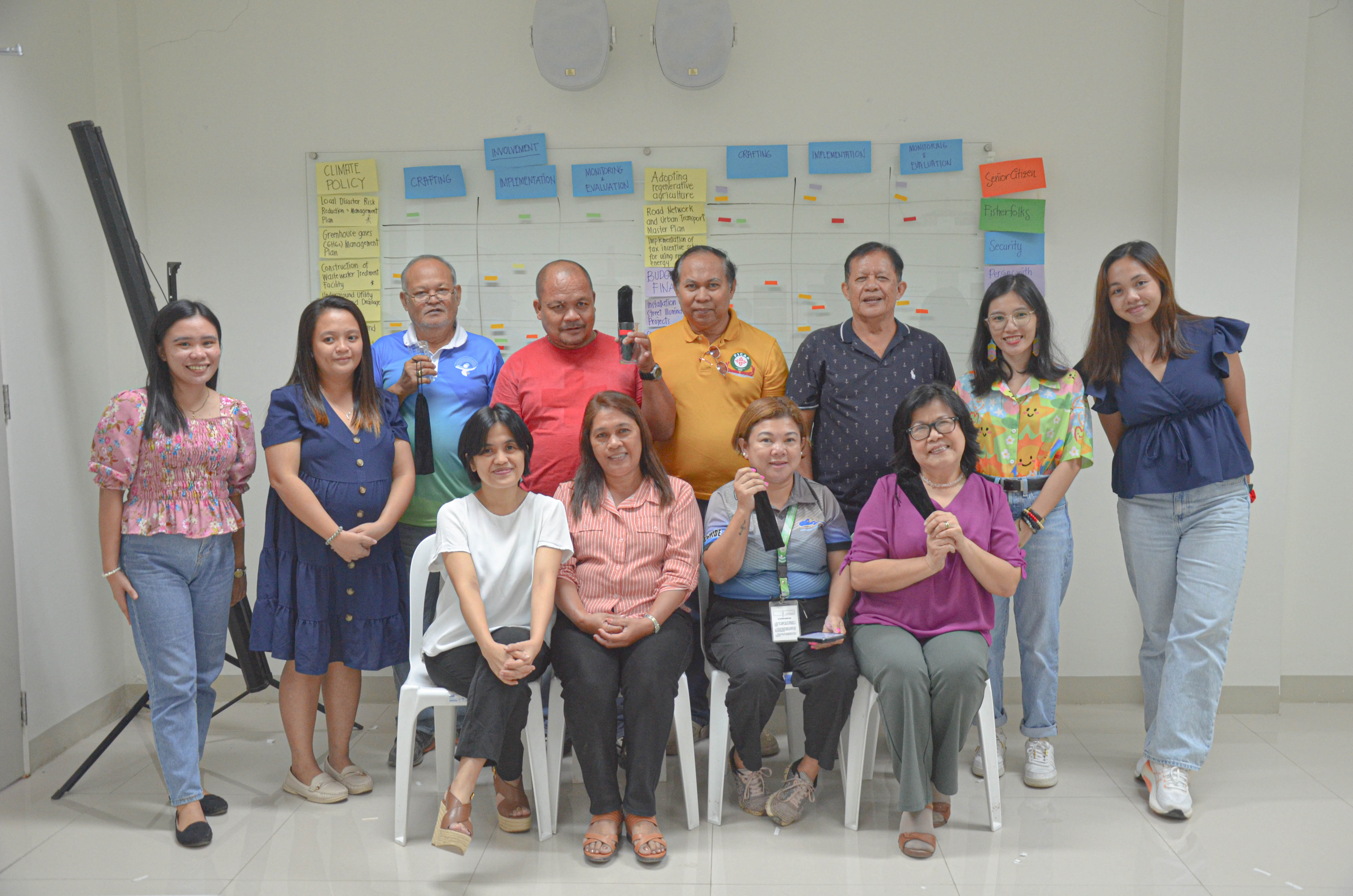
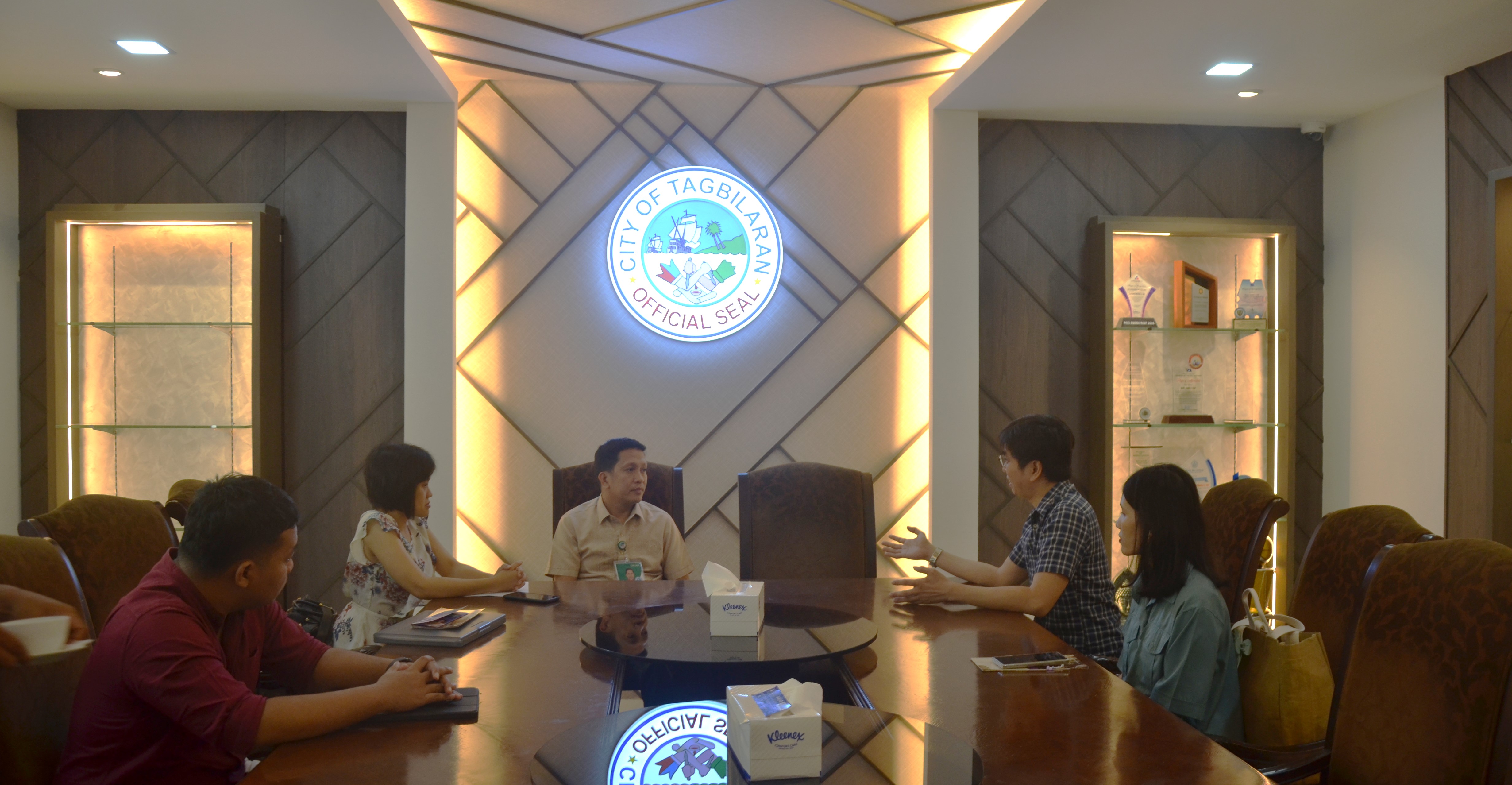
The fieldwork for this project officially began with a courtesy call to the Office of the City Mayor, where City Administrator Mr. Alvin Acuzar welcomed the team on 30 September 2024. Several focus group discussions followed, bringing together department heads, members of the Sangguniang Panlungsod, civil society organizations, and the Barangay Local Government Unit (BLGU) of Manga to gather insights on the city’s current plans and opportunities for advancement.

The Urban Act Project is a collaboration between ICSC, the German Development Cooperation (GIZ), Clean Air Asia (CAA), and the Department of the Interior and Local Government (DILG). It is set to implement its activities in Tagbilaran, Antipolo, and Bacolod, with the aim of promoting low-carbon and climate-resilient cities across the country.

The research and scoping study are expected to conclude by December 2024, providing critical insights that will help shape the city’s climate adaptation strategies and financial frameworks for sustainable urban growth.
Step Up Team Completes the Economic and Financial Analysis for IFAD’s Project ConVERGE in Mindanao Regions

Step Up team conducted the Economic and Financial Analysis (EFA) for the International Fund for Agricultural Development (IFAD) Project Completion Report (PCR), complying with the guidelines and procedures of the National Economic Development Authority.

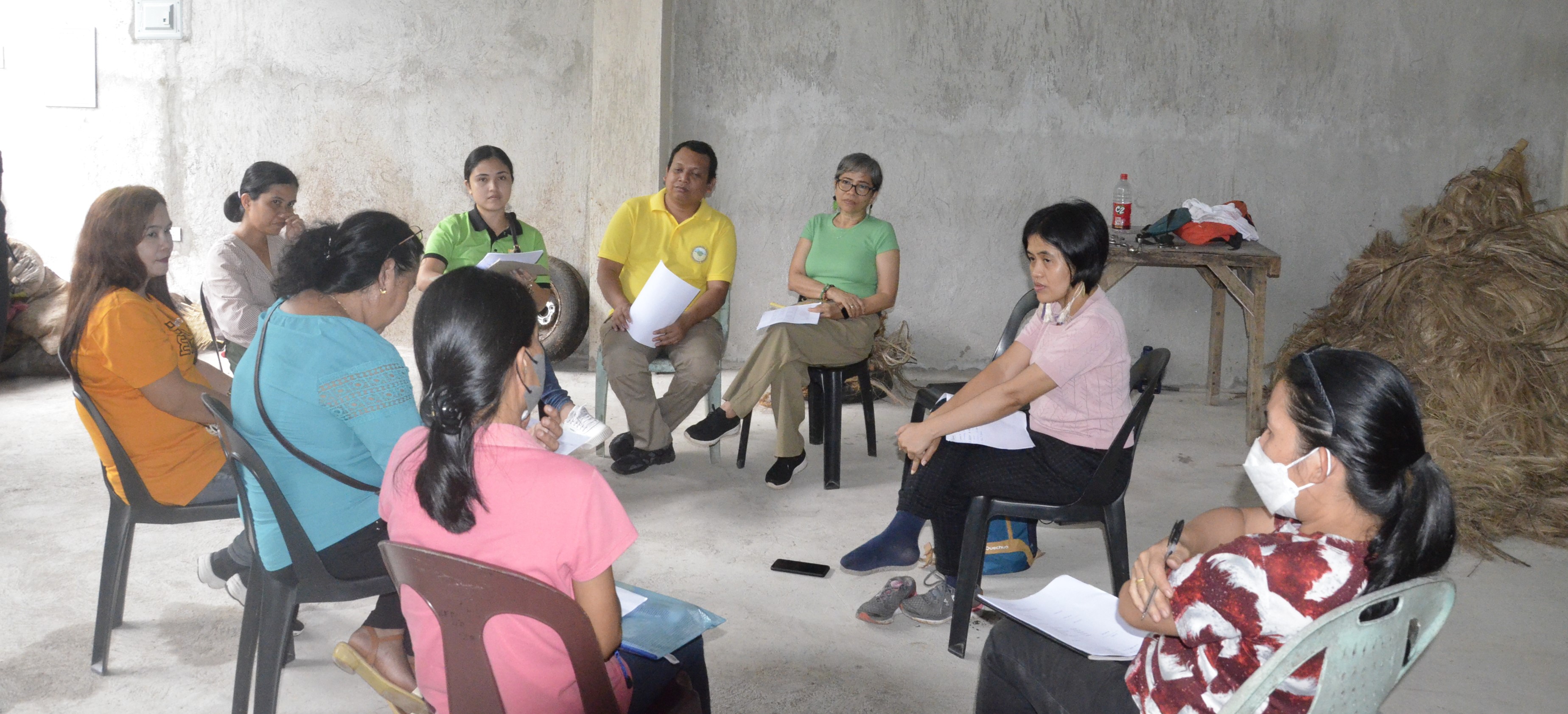
In the 6-month engagement, the team actively facilitated stakeholders’ workshops across three regions – Region IX, X and XII in Mindanao, conducted actual site visits to 11 ARC communities to document project highlights, and conducted one-on-one sessions with the local teams, customizing each analysis per identified crop and collaborating with stakeholders to validate findings, fostering inclusive participation and consensus-building.  Results presented include financial internal rate of return, economic internal rate of return, net present value, and benefit-cost ratio for the 14 enterprises at the project level. A sensitivity analysis was also done at the project level.

The team is composed of Jean Celeste “Hedz” Paredes as research lead, Engr. Mark Russell Guatno as the data specialist, and Mary Therese “Tet” Pepito as the data validation expert. Team members actively contributed to facilitating stakeholders’ workshops across the three regions. These workshops involved consolidating and validating needed data and information, collaborating with stakeholders to validate the findings, ensuring robust and inclusive discussions, and presenting the EFA results to stakeholders and the IFAD mission team.

The Project ConVERGE is executed by the Department of Agrarian Reform (DAR) to support the Philippine Government’s poverty reduction efforts in 11 Agrarian Reform Community (ARC) clusters located in 10 provinces of Regions IX, X, and XIII.  The project was designed to promote sustainable livelihoods for 300,000 farmers producing rice, corn, rubber, coffee, abaca, coconut, cassava and muscovado/coco sugar. The project’s targeted beneficiaries were expected to include agrarian reform beneficiaries (ARBs, 40 000 farmers) and 260,000 other rural workers.  CONVERGE comprised of three components: (i) participatory value-chain analysis and planning to link smallholder farmers to existing value-chain systems; (ii) integrated smallholders agricultural and rural enterprise development; and (iii) subdivision of collective certificates of landownership award (CLOA) to facilitate the transfer of land.

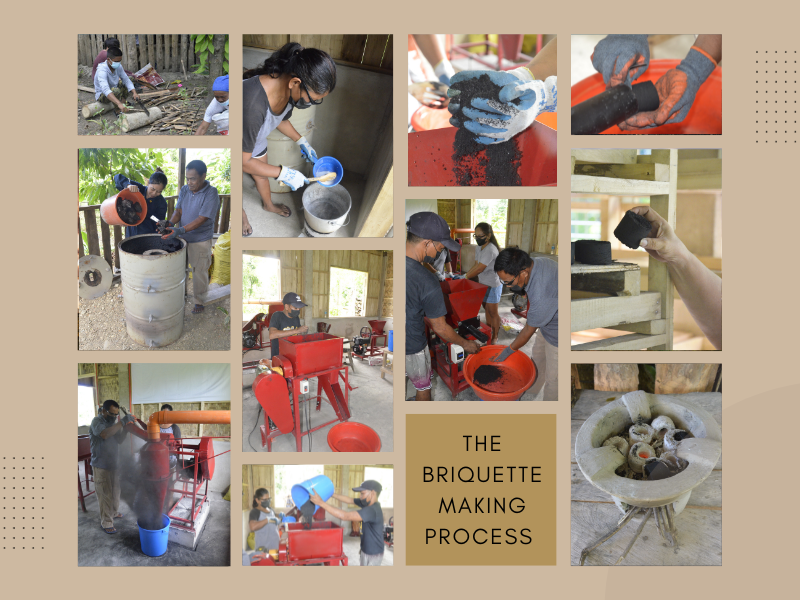
Step Up Produces Coffee Table Book for Ofamen Cacao Farm

Step Up assists Ofamen Cacao Farm in documenting its experiences through the production of a coffee table book. The book entitled “Hulma” tells the story of how the briquette production initiative forged a promising environment-friendly community social enterprise in Barangay Calunasan, Calape Bohol.  The coffee table book features the story of how the local farm was able to innovate by utilising agricultural wastes in making briquettes, an alternative to lump charcoal, a win-win solution not only for the environment but also for augmenting the income of families in their barangay.

Ofamen Cacao Farm was granted 1.4 million in funding, which was used to invest in briquette technology and capacitate local families in their community to become agri-entrepreneurs. 

Ms. Joyce Pulchra Ofamen, a social entrepreneur, is also a recipient of the WHWise: iBLEnDNICE 4WomEn, which aims to establish a more cohesive and inclusive social innovation ecosystem through capacitating women entrepreneurs in the Philippines.

Step Up Evaluates BIDEF’s DRR Initiatives

Step Up Consulting completed the terminal evaluation of the project Disaster Risk Reduction Initiatives in Vulnerable Areas Toward Effective Governance and Resilient Communities (DRILLS) in the Municipalities of Loay, Loboc and Sevilla, Bohol Province, Philippines by BIDEF, Inc. with the funding support by MISEREOR.

The project intended to capacitate local communities especially those living in high-risk areas in disaster prevention, mitigation and preparedness. When they are capacitated through organized Community-Based Disaster Brigades (CBDBs), utilization of the approved DRRM and other relevant plans and early warning systems, communities are able to engage and respond to any disaster situations and reduce the impacts of risks and damages caused by disasters.

The evaluation involved triangulation of approaches: a combination of survey, focus groups discussions and key informant interviews and evaluation of program traces or documentation. Step Up Managing Consultant Hedz Paredes led the evaluation process.

Step Up Completes COVID-19 and Higher Education Research

Step Up Consulting has recently published the results of its research on the impact of COVID-19 on higher education in South Africa, Australia, and the Philippines. The research was funded by the International Telecommunications Union through the Connect2Recover global competition.

Connect2Recover is a global initiative that aims to reinforce the digital infrastructure and digital ecosystems of beneficiary countries.

In 2021, the International Telecommunications Union launched the “Connect2Recover Research Competition” to identify promising research proposals that will accelerate digital inclusion during the COVID-19 recovery globally.

The objectives of the competition were to improve research focus on digital resiliency and digital inclusion to build back better with broadband for pandemic recovery; to build a global research community of think tanks and academic institutions around digital inclusion; and to promote knowledge sharing that informs targeted practices to build back better with broadband.

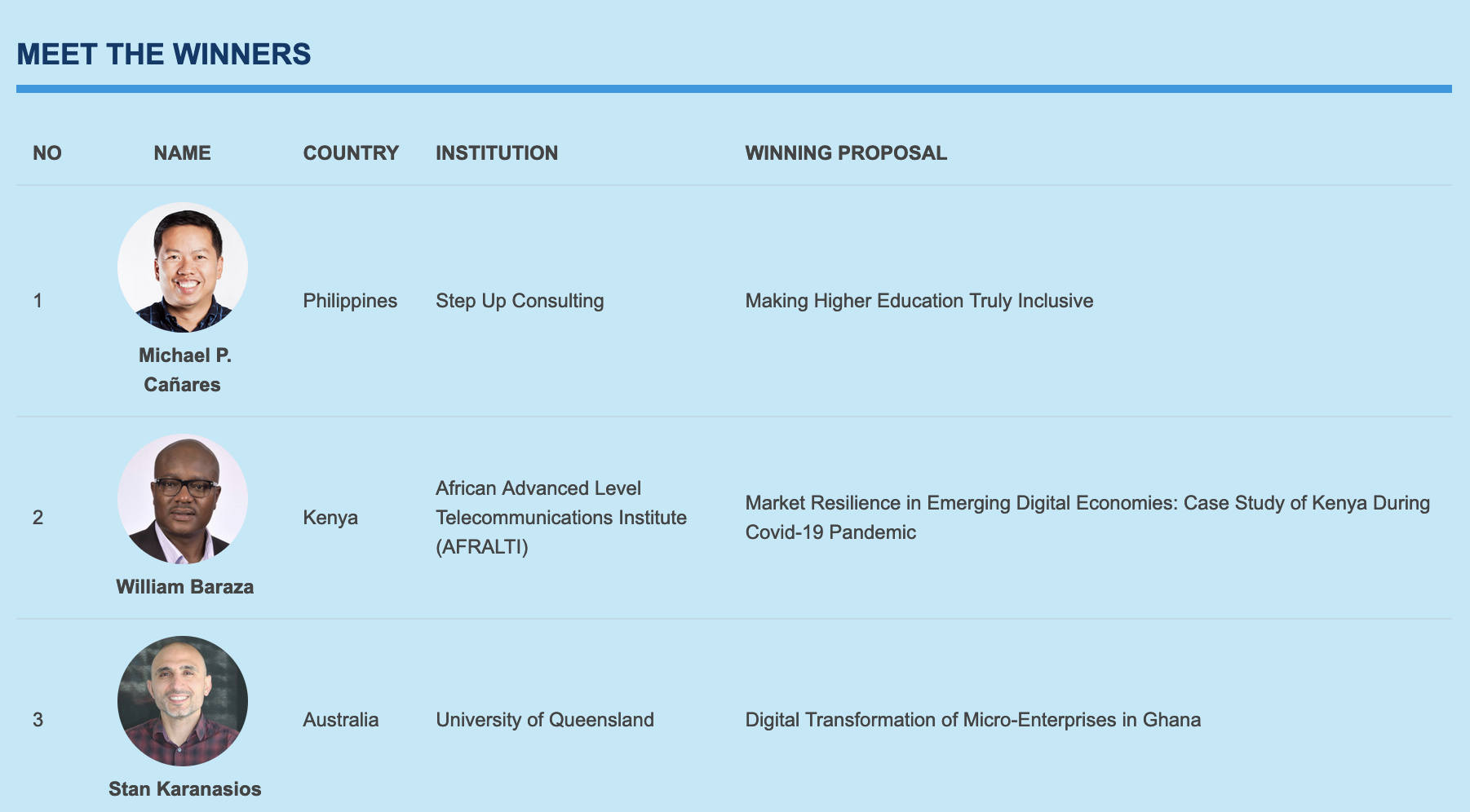
The proposal submitted by Step Up Consulting titled ‘Making Higher Education Truly Inclusive’ was selected as one of fifteen successful applications. You can find on this project website the findings, insights and recommendations that have emerged from the ‘Making Higher Education Truly Inclusive’ research project.

Hedz Paredes is Step Up’s New Managing Consultant

Jean Celeste “Hedz” Paredes is Step Up’s new managing consultant, succeeding Arlen Salgados-Canares. Ms. Paredes will lead Step Up Consulting from 15 June 2022 and onwards. Prior to this role, Ms. Paredes was the firm’s research lead.

Ms. Paredes is a graduate of Master in Public Management majoring in Rural Development from the Ateneo School of Government and the Development Academy of the Philippines. She also finished her Bachelor of Political Science from the University of the Philippines.

Ms. Paredes has worked on several research and development projects in the past. These include the following

  • Terminal Evaluation – Strengthening the Capacity of Farmers Federation and their Communities to Address Climate Change in Bohol, Philippines
  • Disaster Risk Reduction Initiatives in Vulnerable Areas Toward Effective Governance and Resilient Communities in the Municipalities of Loay, Loboc and Sevilla, Bohol Province, Philippines
  • Analysing Social Media Use and Preferences of Young People in Mindanao
  • Stakeholders Mapping for the Public Utility Vehicles Modernization Program (PUVMP)
  • Philippines Financial and Market Inclusion
  • Feasibility Study for the Establishment of a Cultural Hub in the Central Visayas Region
  • Bohol Institute of Living Tradition: A Feasibility Study
  • Teenage Clicks: Can Teens Protect their Privacy on Social Media
  • Aquatic Biodiversity in Rice-Based Ecosystems , Food and Agriculture Organization of the United Nations
  • Case Studies – Danajon Reef Communities Impact Assessment
  • Feasibility Study: Agro-Ecological Production and Business Model Development for the Island Residents of Sicogon Island, Carles, Iloilo towards the Development of Resilient and Self-sustaining Communities
  • Performance Monitoring and Assessment – MEADA Rabrong, Phnom Penh, Cambodia
  • Promoting Gender Equality and Women’s Empowerment in TYM-Mutual Assistance Fund, Hanoi, Vietnam
  • World Vision Philippines in the end-of-phase program evaluation of 4 area development programs (ADP) across the country
  • Scaling-up Demand and Supply for Rural Sanitation and Hygiene, United Nations Childrens Fund (UNICEF)

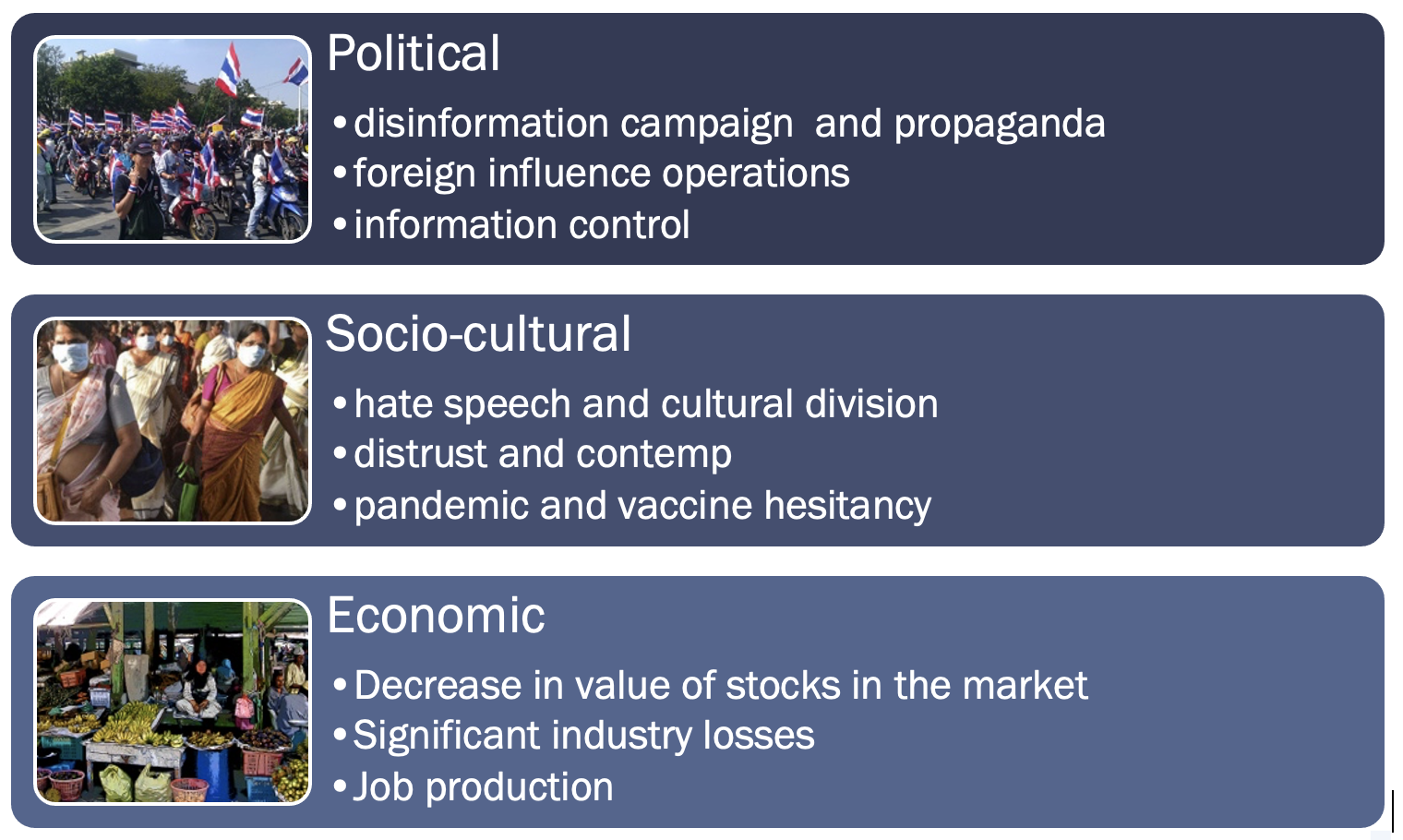
Step Up Conducts Research on Mis- and Dis-information in Asia

Step Up conducted research on mis- and dis-information in Asia from March to April this year as a contracted research for an international organization. Its strategy advisor, Michael Canares, was contracted to undertake the task.

The research focuses on four important questions; (1) what types of misinformation and disinformation occurs in the region?; (2) who are the perpetrators?; and (3) what are the common responses currently implemented to curb the practice?.

The Philippines figured prominently in the research. The country covers a wide range of political mis- and disinformation including black propaganda and smear campaigning occurring largely during election period. The danger of mis- and disinformation in the country is that online violence breeds into physical violence, including threats to safety and death of victims.

The research was completed in April 2022.

Step Up Wins International Research Competition

Step Up Consulting is one of the 15 research teams across the world awarded by the International Telecommunications Union of the United Nations to undertake research on how to accelerate digital inclusion during the COVID-19 recovery globally.

The research competition, dubbed as Connect2Recover aims to “reinforce and
strengthen the digital infrastructure and digital ecosystems of beneficiary countries as they
adjust in the wake of COVID-19 and remain resilient in times of disasters”. The research competition is one of the preliminary activities of the initiative aimed at “identifying the
gaps and bottlenecks in the effective use of digital networks and technologies”.

Step Up Consulting team will consist of Michael Canares and frequent collaborator Francois Van Schalkwyk of Stellenbosch University based in South Africa. The project will focus on the connection of marginalized university students during and after the covid-19 pandemic to new modes of higher education delivery to ensure greater inclusion and unlock the socio-economic development potential of higher education. The issue of emergency remote teaching and learning in higher education and the consequences of this shift on marginalized students given the challenges of unevenly distributed ICT infrastructure and internet affordability has received some attention in the media and, to a lesser extent, in the academic literature.

However, little has been done to synthesise the observations and information on the issue, especially across multiple contexts. Nor have efforts been made to connect the covid-19 experience to the broader literature on infrastructure, access and inclusion. This research project will provide new knowledge related to digital inclusion and will build on previous research undertaken in this area, specifically previous research undertaking by the research team that showed how data activation, intermediaries and the distribution of power are key determinants of digital inclusion (Van Schalkwyk & Canares 2020). The proposed research project will bring into the constellation of determinants the role of ICT infrastructure in fostering sustainable digital inclusion, especially in the context of education.

Step Up Completes Study on COVID-19 and Air Quality in 4 ASEAN countries

The regional project “visible unearthing”, implemented by Goethe Institut aims to use open data to analyze the interactions of air-water quality and other indicators (groundwater level, etc.) that are important, especially in climate change in very specific environments (cities, regions, ecosystems).  As an important part of the process, a data inventory was undertaken to identify the datasets that can be used to capture a condition of interest and visualize it in ways that could generate meaningful discussions. Step Up Consulting was the lead researcher for the project.

With COVID-19 impacting the Southeast Asian region and globally, the initial plan was to look at environmental data with a certain level of relationship with COVID 19.  Given that restrictions in movement have significantly impacted mobility during lockdowns, and with transportation as one of the identified contributors of air quality (EPA 2019), the main focus of the assessment was the availability of open air quality data. 

The research was implemented in four cities across SouthEast Asia, namely, Hanoi (Vietnam), Manila (Philippines), Bangkok (Thailand) and Jakarta, Indonesia. Despite limitations in data, there are at least emerging findings that came out of the research.

As indicated in the graph above on Bangkok, three patterns are emerging from the visualization. First, during hard lockdown periods, mobility within Bangkok significantly decreased when compared to baseline figures. Second, during hard lockdown periods, air quality data is consistently below the baseline figures, except for December to January.  Finally, lockdown impacts mobility significantly within the period immediately following its imposition and gradually increases towards baseline over time. The same effect can be said of air quality, where lockdown periods result to better air quality but the effect wanes in succeeding periods.

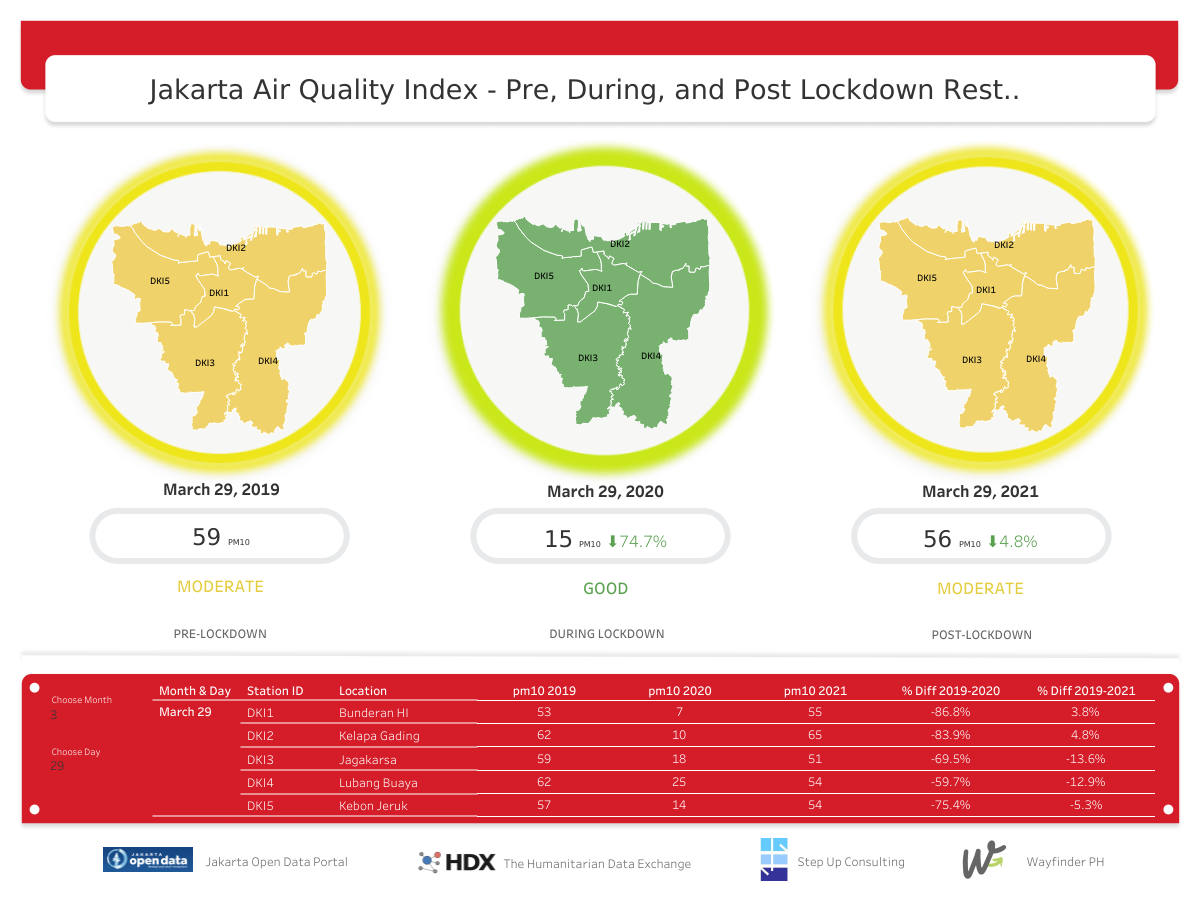
The same can also be said of the Jakarta dataset that can be seen in the graph below:


The above visualization compares the air quality index in 5 data collection points across three years.  A specific date was chosen using the lockdown scenario as the primary determinant. Jakarta, in this case, implemented its first hard lockdown in the second half of March 2021, imposing work from home arrangements and restricting religious worship.  The choice of the specific date (March 29) is conditioned by data availability within the three-year period from 2019 across the different data collection points where researchers gathered the average. 

Figure 1 indicates a significant improvement in air quality index when we compare 2019 with 2020 data when successive lockdowns were imposed in the city by the government.   Towards the end of March 2021, lesser restrictions were imposed by the city government. 

In the next three months, Step Up researchers will be publishing three papers as a result of the research. These are as follows:

  1. Openness of environmental data and its implications on data governance.  The paper will utilize the findings of the inventory conducted by the researchers and its implications on measuring environmental health, as well as on monitoring the Sustainable Development Goals
  2. A review of alternative data sources to capture air quality data, with particular reference to the use of satellite data that can potentially reveal anomalies in the relationship between lockdown, mobility, and air quality.  This is particularly true in Hanoi, where there seems to be only a slight improvement despite mobility restrictions. It has been argued that pollutants for the city are outside the city itself, particularly those coming from the powerplants and the industrial clusters.
  3. A deeper investigation of lockdown, mobility, and air quality, using the results of this study and other analyses conducted by other researchers in the last six months. 

Step Up Studies FOE Organizations in Malaysia

Protesters marching peacefully on the streets of Kuala Lumpur.
(Photo by Hafiz Noor Shams, Available at https://commons.wikimedia.org/wiki/File:Bersih_2_protest.jpg)

Michael Canares, strategy advisor of Step Up Consulting, was contracted by East West Management Institute to study freedom of expression (FOE) organizations in Malaysia. The research, which began in June 2021, will be completed towards the end of the year, with the aim of arriving at concrete recommendations to strengthen FOE organizations in the country.

The research project is part of EWMI’s activities in the “Promoting Freedom of Expression in Malaysia (ProFoEM)” project. The project seeks to support the development of a more vibrant, effective civil society in Malaysia.  The long-term goal is to enable FOE organizations to participate in the freedom of expression (FoE) reform movement in Malaysia, and to strengthen civil society organizations (CSOs), the media, and public interest legal counsel in their efforts to strengthen FOE, promote right to information, strengthen independent media, and combat censorship. 

East West Management Institute is an organization headquartered in the US, whose aim is “to strengthen democratic societies by bringing together government, civil society, and the private sector – to build accountable, capable and transparent institutions”.