Step Up Assists Arts and Culture Workshops for Bohol

Step Up reignited its mission to help build sustainable communities through art and culture by reviving the Balik BOKAG initiative. This transformative project taps into the rich heritage and creative industries of communities along the Abatan River. Running from 2024 to 2027, this three-year program is a collaboration among the Abatan River Development Management Council (ARDMC), PROCESS Bohol, Inc., Kasing Sining Inc., local government units (LGUs) of Antequera, Balilihan, Catigbian, Cortes, and Maribojoc, and other stakeholders, with support from the Bohol Arts and Cultural Heritage Council and the Provincial Government of Bohol through the Center for Culture and Arts Development (CCAD).

Revitalizing the Abatan River Theater Space

At the heart of Balik BOKAG (short for Bol-anon Kabilin, Atong Gibahandi) is the vision of transforming the Abatan River Theater Space into a premier cultural venue. The initiative goes beyond physical infrastructure improvements, aiming to strategically position the theatre as a creative hub for the province and the region. Through dedicated training in artistic development, organizational management, and creative business, the program empowers local artists, cultural workers, and community leaders to plan and implement initiatives that create sustainable livelihoods for local communities while enriching Boholano heritage.

The revitalized theatre will not only host regular performances but also serve as a space for local talent to showcase their craft. To ensure its long-term success, the project emphasizes professional management and robust marketing strategies, envisioning the Abatan River as a vibrant cultural and economic centrepiece.

Workshops Lay Groundwork for Success

The initiative’s latest activities included a series of workshops. On August 22, 2024, stakeholders gathered at the PROCESS Conference Center in Tagbilaran City to reflect on the successes and lessons from the earlier phases of BOKAG (BOKAG 1, 2, and 3), which ran from 2015 to 2019. This evaluation included insights from community leaders, artists, and audiences, helping shape a roadmap for the next three years.

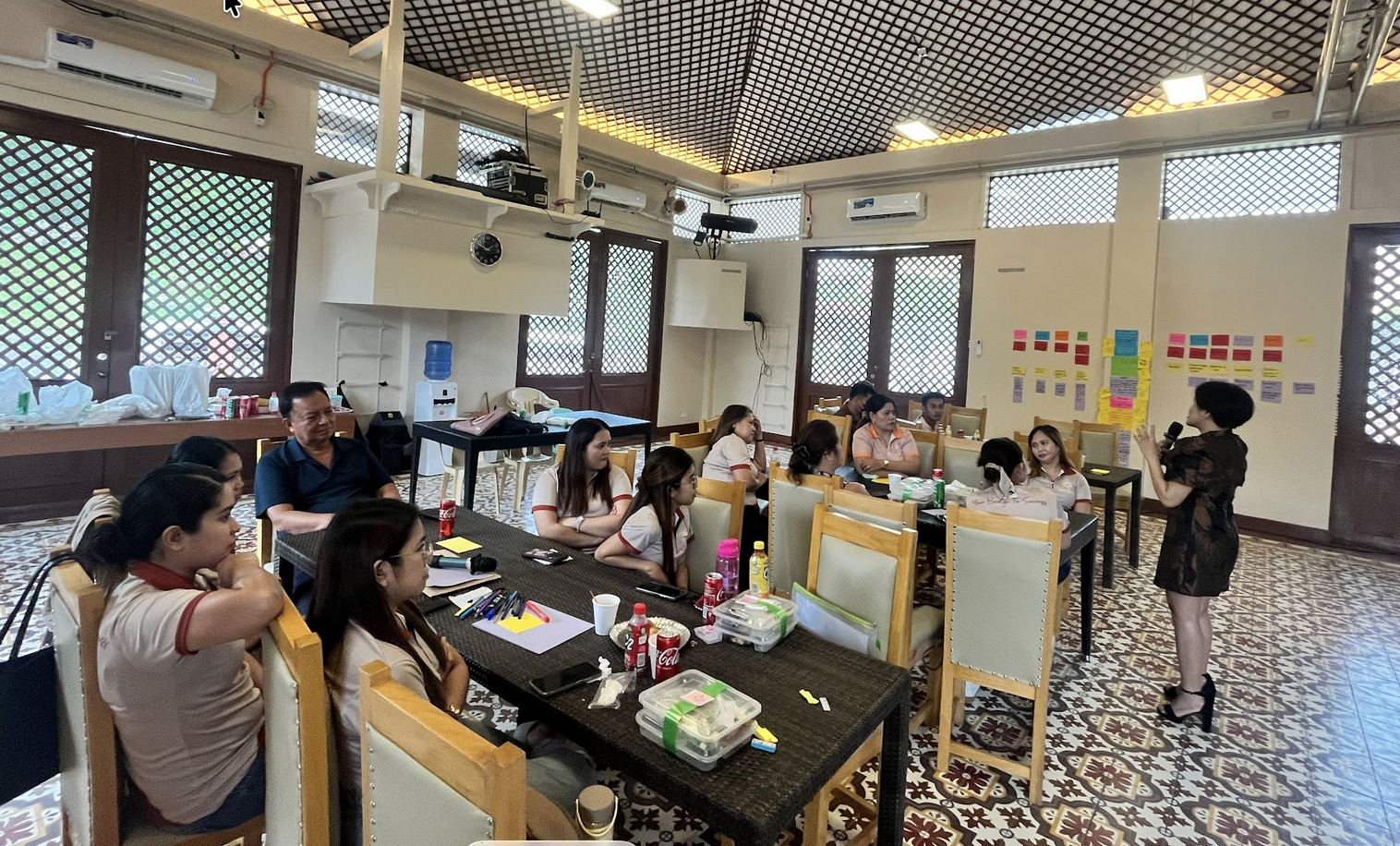
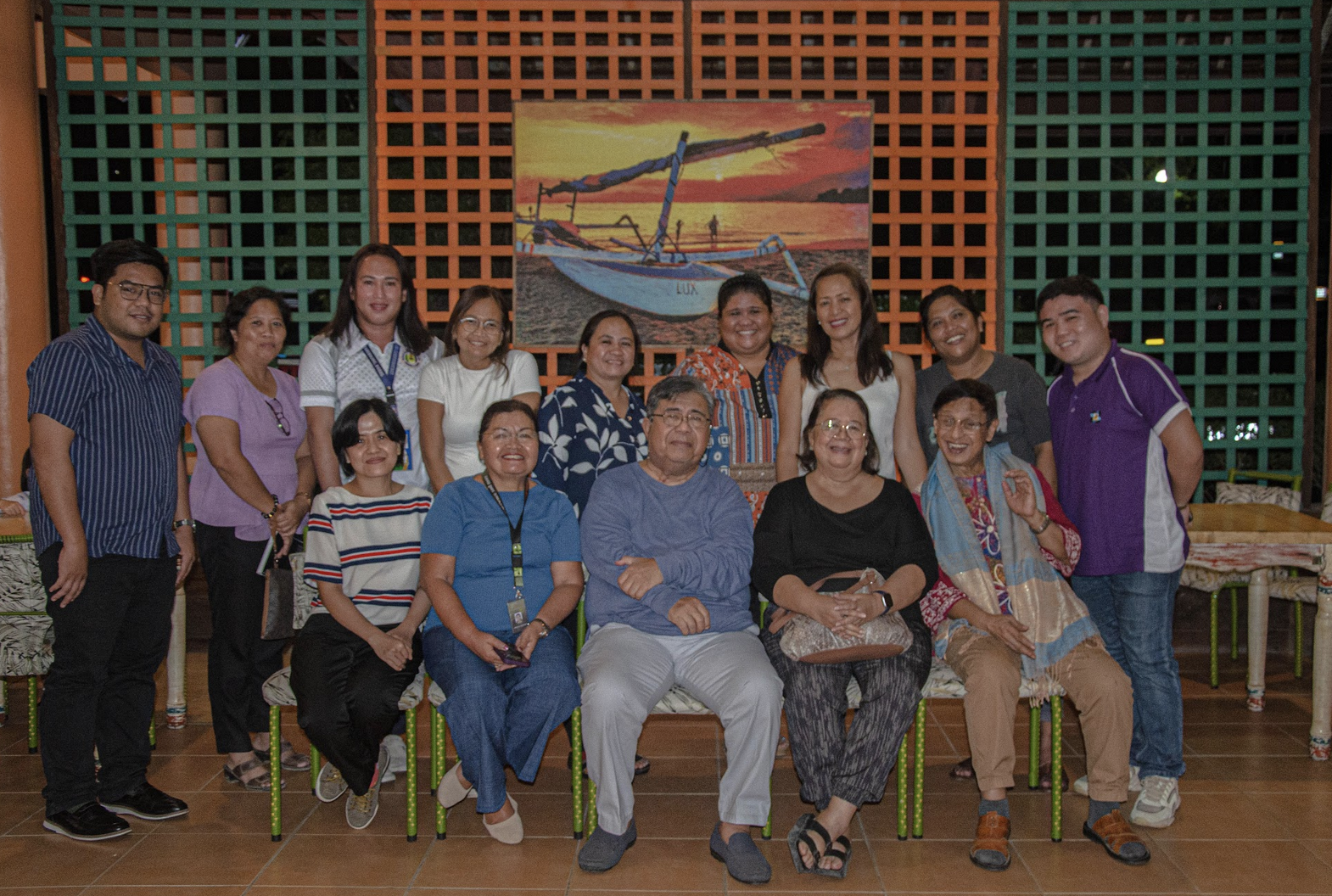
Building on this momentum, a two-day strategic planning session followed on November 11–12, 2024, at the scenic Buzzz of Bohol Bee Farm in Cortes. Participants—ranging from local councils to NGO representatives—collaboratively defined the project’s vision, mission, and core values. Discussions centered on the theater’s long-term sustainability, strategies to empower local communities, and the Abatan River’s role in showcasing Bohol’s cultural richness.

A Catalyst for Heritage and Progress

The Balik BOKAG project underscores the critical role of arts and culture in community development. By nurturing local talent and preserving the Boholano heritage, the initiative builds cultural pride and fosters economic resilience.

“Through initiatives like Balik BOKAG, we reaffirm the power of arts and culture to transform communities, creating opportunities for sustainable growth while celebrating our shared heritage,” said a representative from the ARDMC.

With momentum building, Balik BOKAG is poised to leave a lasting legacy—bringing the arts closer to the heart of Boholano life and ensuring that the creative spirit of the Abatan River continues to flow for generations to come.

Step Up Supports Emerging Leaders through WRTC

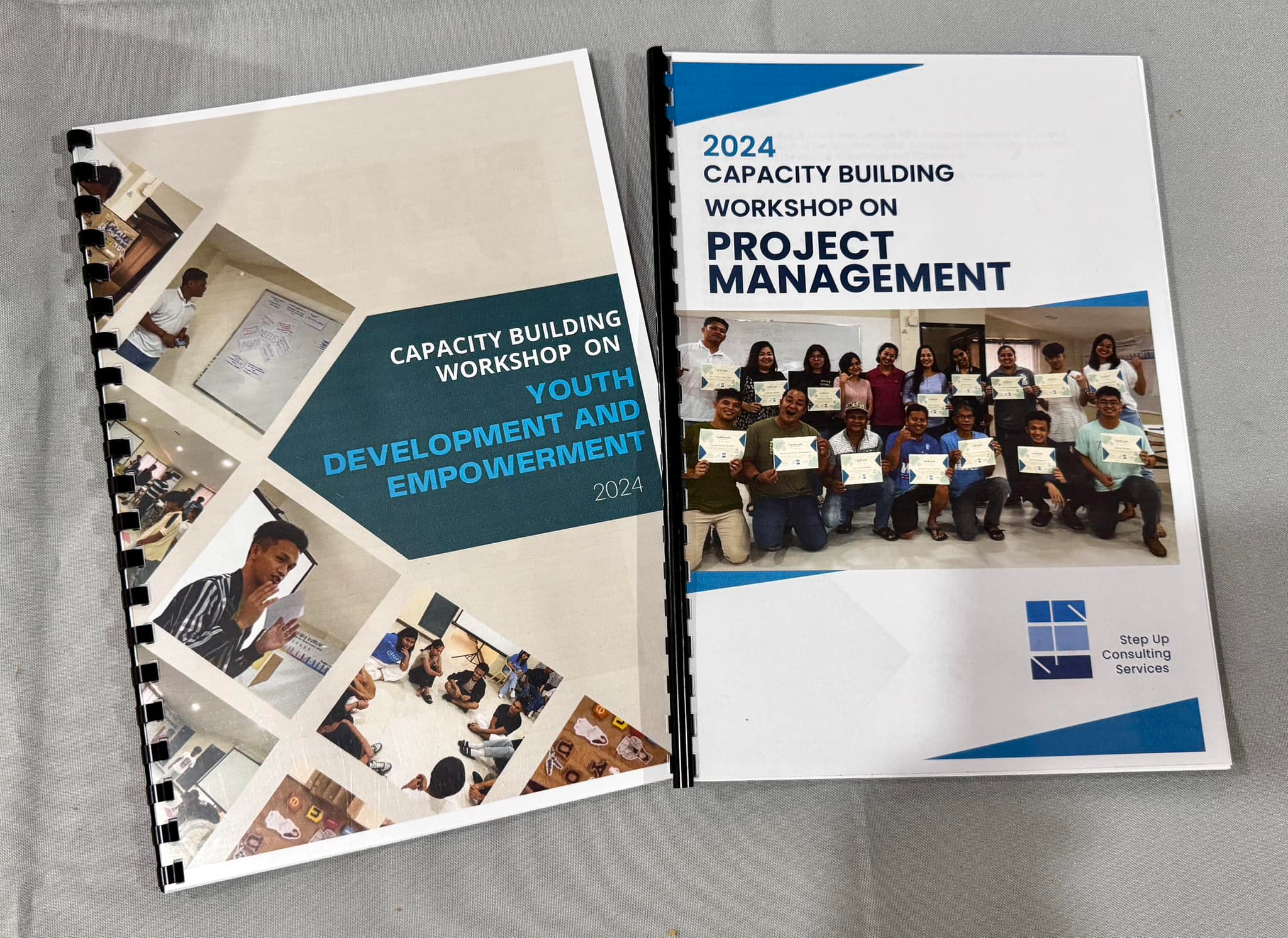
Step Up was commissioned by the Wholistic Transformation Resource Center (WTRC) to facilitate Youth Development and Empowerment Training and Capacity Development on Project Management for the leaders of the Church of Nazarene—GMA as part of its ongoing partnership with the church.

Capacity Development on Project Management

The training, which took place from July 13 to September 14, 2024, was a key initiative to strengthen the project management skills of Church of Nazarene – GMA leaders. The blended sessions—face-to-face and online activities—focused on various stages of project management, including project conception, planning, execution, and monitoring.

The program followed a three-step approach to build the skills of project staff and volunteers:

  1. Capacity Assessment: The first step involved evaluating the current competencies of project staff and volunteers to determine the skills needed for effective project management.
  2. Project Management Strategy Development: In the second step, leaders and volunteers collaborated to create a comprehensive project management strategy detailing the tools and methods for successful project execution and monitoring.
  3. Monitoring and Documentation: The final phase of the training focused on equipping participants with the skills needed to document project progress and assess the impacts of their initiatives to continuously improve the quality and effectiveness of their projects.

The training covered key topics like project initiation, planning, launching, and control, enabling participants to develop a structured approach to managing community-based projects. This initiative improved the leaders’ project management skills and reinforced WTRC’s mission of fostering holistic transformation through partnerships with churches, social enterprises, and other community-based organizations.

The completion of this training marks a significant milestone in the ongoing collaboration between Step Up, WTRC, and the Church of Nazarene—GMA. It reinforces the foundation’s commitment to developing leaders who can drive meaningful change in marginalized communities and support its mission of building stronger, more sustainable communities across the nation.

Youth Development and Empowerment

The training conducted from 20 July to 21 September 2024 focused on building leadership skills, fostering self-care, and enhancing confidence in public speaking. It equipped youth leaders to manage their activities effectively and lead with purpose.
The workshop was designed around key actions to empower participants and create inclusive, supportive spaces for personal and collective growth. Among these strategies were discussions on the importance of self-care and empathy toward others, ensuring that participants felt encouraged to create welcoming environments within their ministries.
A needs assessment conducted through focus group discussions revealed that participants were particularly keen on improving their public speaking abilities, especially when engaging with children and other youth in the ministry. They expressed a desire for leadership training that moved beyond traditional formats, advocating for more interactive, engaging, and meaningful activities. Participants were also eager to explore topics like mental health, online communities, and how to encourage youth participation in ministry.
The training was structured around four main sessions, each designed to be participatory and centred on peer learning. These sessions included:

  1. Session 1: Participation in an Inclusive and Safe Spaces (Care for Self and Others) – Emphasizing the importance of creating inclusive, caring environments where everyone’s voice can be heard.
  2. Session 2: Safety in the Online World – Offering tools and strategies to navigate the complexities of online engagement while ensuring safety for both leaders and youth members.
  3. Session 3: Building Interpersonal Relationships, Self-Confidence, and Communication Skills – Fostering stronger communication, interpersonal skills, and confidence to engage with others effectively.
  4. Session 4: The Leaders We Hope to Become – Encouraging youth to reflect on the qualities they wish to embody as future leaders, helping them align their values with their leadership style.

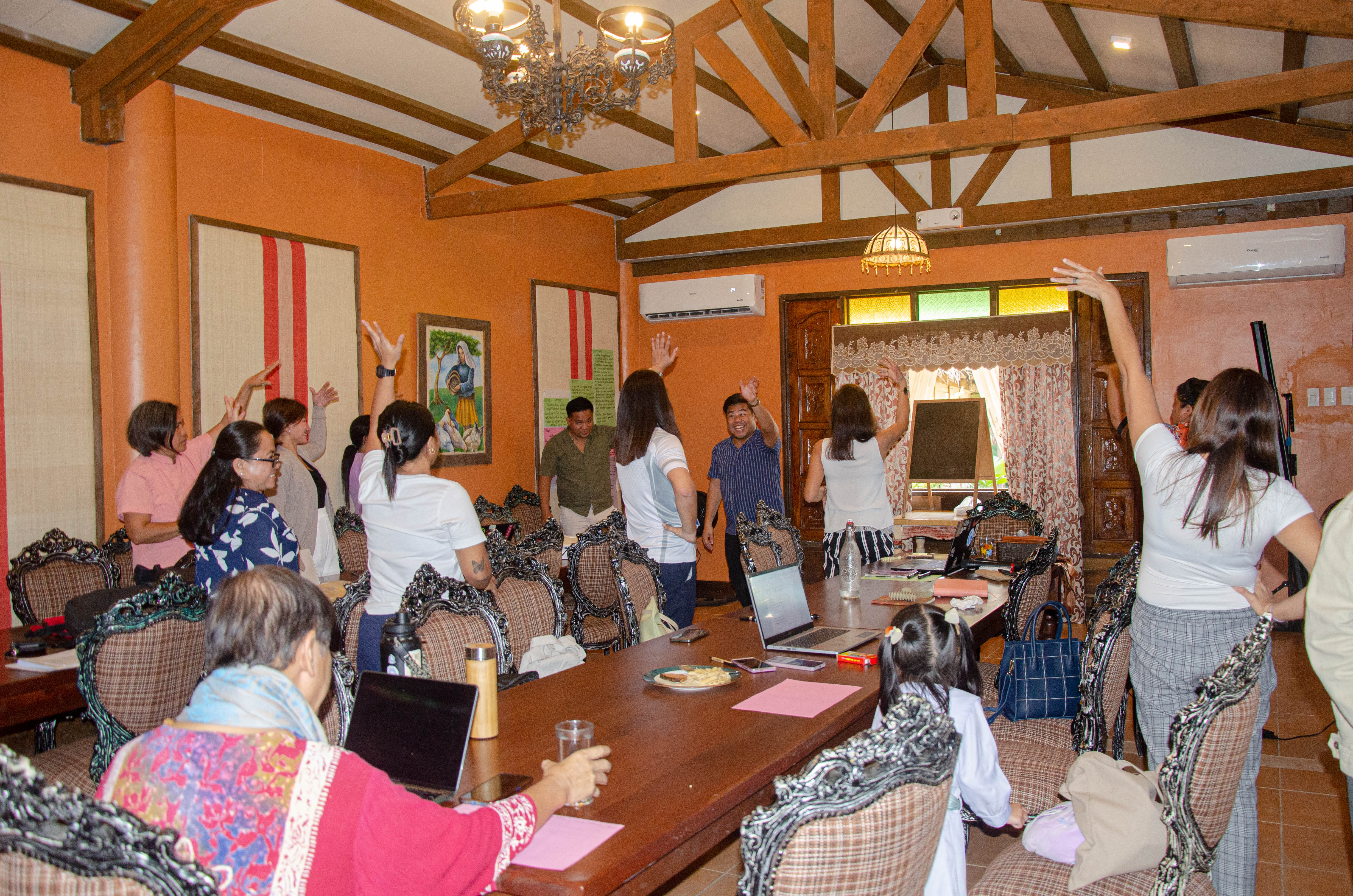
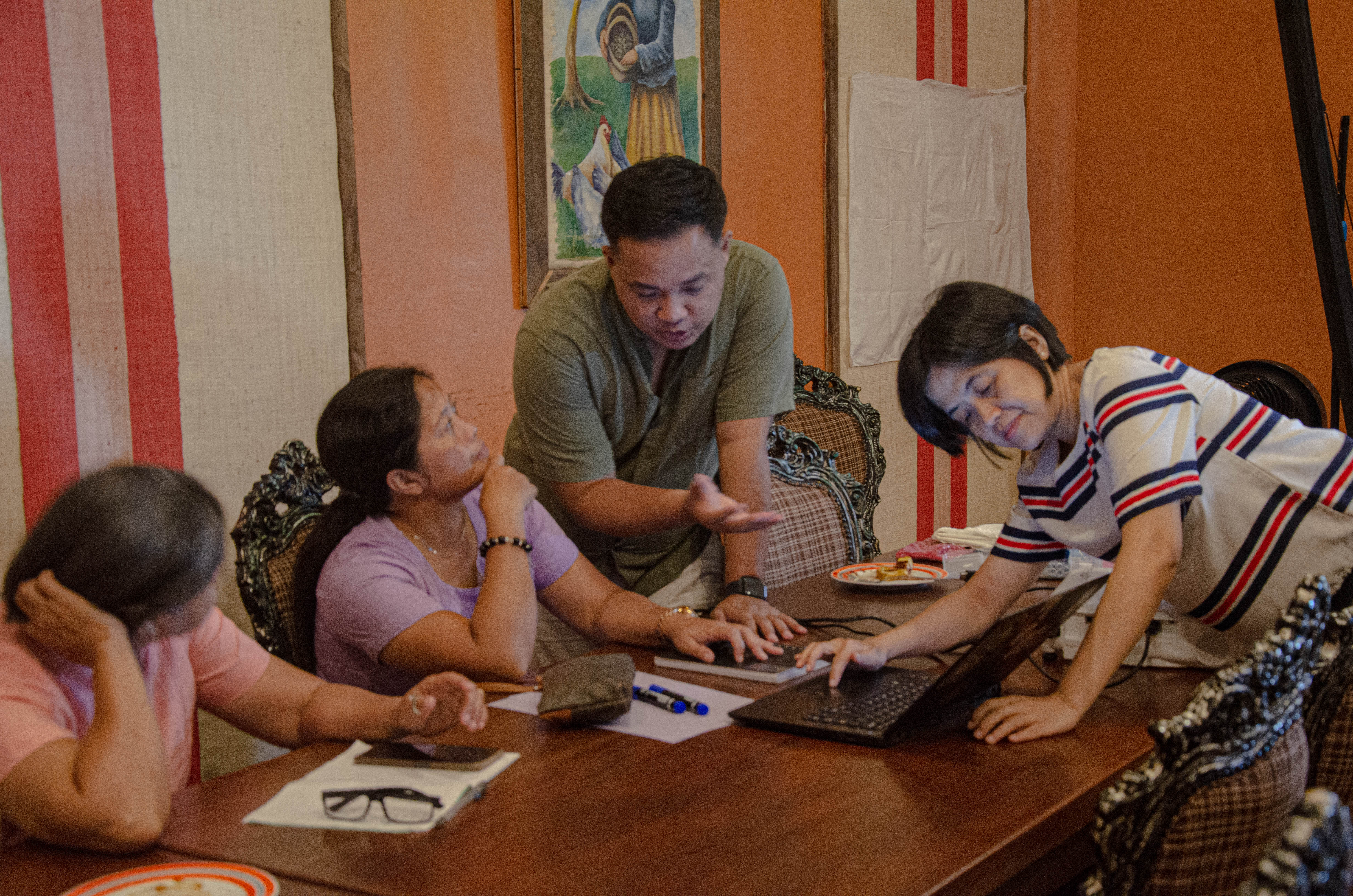
The dynamic and hands-on nature of the sessions allowed participants to interact directly with their peers, share ideas, and engage in plenary discussions. With an emphasis on creativity, group work, and idea-sharing, the training ensured that each participant had the chance to discover their personal strengths and overcome challenges, especially those related to public speaking.
“Interactive activities, group discussions, and peer-led sharing were key aspects of the training,” explained one participant. “It helped us learn from the facilitator and each other, making the experience much more meaningful.”
The training initiative aligns with Step Up’s broader mission to develop young leaders who are capable, confident, and ready to make a lasting impact in their communities. As the Church of Nazarene – GMA youth leaders implement the skills they’ve learned, Step Up hopes to continue supporting their growth and empowerment through future.

Step Up Signs Evaluation Contract with SWCF

Step Up Consulting signed a contract with Soil and Water Conservation to conduct the end-of-project evaluation of its project implemented in Bohol, Philippines.

The project entitled the project “Strengthening the Capacity of a Farmers Federation and their Communities to Address Climate Change in Bohol, Philippines”, was implemented in the Province of Bohol with funding support from Misereor.  The project aimed to continue to address the institutional strengthening of a farmer’s federation by providing (1) organizational management and technical training/workshops, monitoring, and evaluation; (2) further capacity building for members of the federation; (3) assistance for sustainable management and conservation of the environment including climate change adaptation, DRRM, biodiversity conservation and protection while strengthening environmental ethics in the local community, especially the youth; and (4) facilitation in formulating implementable Disaster Risk Reduction Management and Contingency Plan of the barangays.

The project is implemented benefitting the farmers federation composed of more than 10 cooperatives and farmers associations located in several towns in central Bohol, 15 Barangay Local Government Units (BLGUs) in the municipality of Batuan, selected elementary or secondary school students and teachers in the project municipalities, and community residents in barangay Bahi, Albuquerque, where the SWCF office is located.

Project evaluation is part of Step Up Consulting’s primary expertise. The team at Step Up will be lead by its Research Lead, Ms. Jean Celeste Paredes.

Step Up Completes Evaluation of DRRM Project

Step Up Consulting conducted the midterm evaluation of a disaster risk reduction and management project implemented by the Bohol Integrated Development Foundation in three municipalities in Bohol. The project, Disaster Risk Reduction Initiatives in Vulnerable Areas Toward Effective Governance and Resilient Communities in the Municipalities of Loay, Loboc and Sevilla, Bohol Province, Philippines, is now on its third year and is funded by MISEREOR.

The project aims to increase the knowledge and capacities of the individuals and to comprehensively formulate a plan and budget for disaster risk reduction and management. The project intends to capacitate local communities especially those located in high-risk areas, to become more aware and active in disaster prevention, mitigation and preparedness.

The evaluation involved triangulation of approaches: a combination of survey, focus group discussion, key informant interview and evaluation of program traces or documentation.

A review and analysis of documents specifically on project documentations, minutes of meetings, photographs, progress reports, ordinances and other relevant data were made to evaluate the extent of effectiveness in the other variables identified.

A survey was conducted to gather relevant data more particularly on two aspects included in the evaluation framework.  This investigated areas of interventions versus need and results versus objectives. The survey included the barangay officials and members of the volunteer groups. The questionnaire was developed, validated and pilot tested prior to the actual conduct. 

Jean Celeste Paredes, Step Up’s research chief, led the team that conducted the evaluation. The final report was submitted to BIDEF in February 2021.

Step Up Strategy Advisor is M&E Advisor for Vanuatu Roads Project

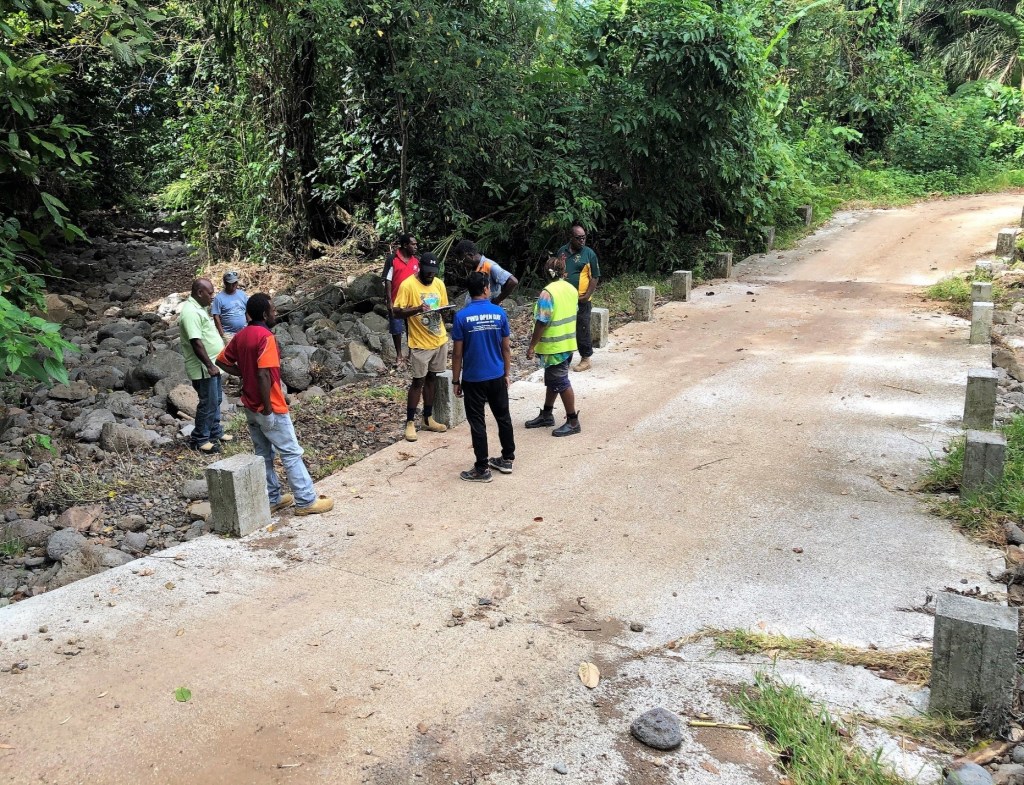
Image courtesy of Adam Smith International

Michael Canares, Strategy Advisor at Step Up Consulting is part of the implementation team of the Roads for Development Program Phase 2 (R4D2) currently implemented in Vanuatu by Adam Smith International, with funding support by Australia’s Department of Foreign Affairs and Trade.

R4D2 will support the Government of Vanuatu’s Public Works Department (PWD) under the Ministry of Infrastructure and Public Utilities (MIPU).  The program commenced in June 2019 and will run to the end of June 2022, with an option to extend by two years, subject to DFAT approval. The program aims to contribute to the achievement of the Government of Vanuatu’s (GoV) National Sustainable Development Plan 2016-2030 (NSDP) goals, more particularly the following:

  • A dynamic public sector with good governance principles and strong institutions delivering support and services to all citizens of Vanuatu
  • Sustainable and well-maintained infrastructure and services for all, through inclusive and effective partnerships

Mr. Canares is R4D2’s short-term Monitoring and Evaluation Adviser.

Step Up Conducts Project Development and Management Training for Iloilo LEIPOs

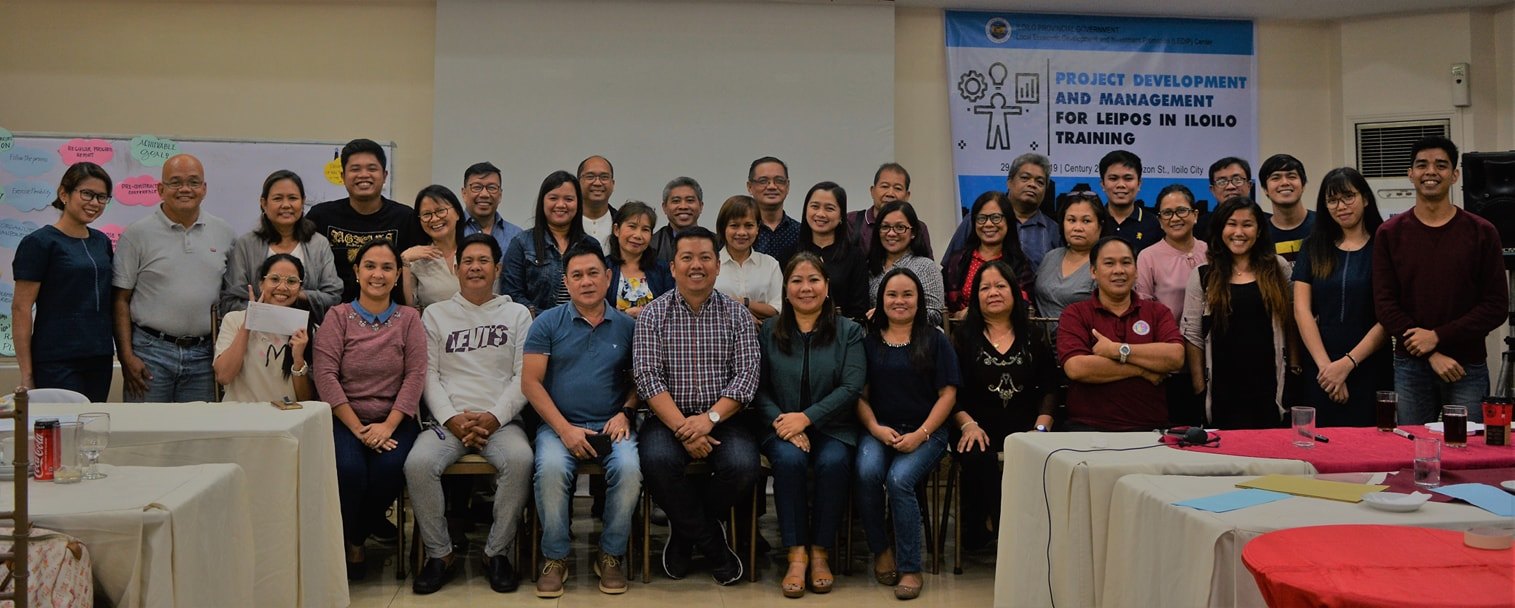
Iloilo training pic 1

The Provincial Government of Iloilo, through its Local Economic Development and Investment Promotions Center, invited Step Up Consulting to train more than 40 of its Local Economic and Investment Promotions Officers (LEIPOs) on project development and management. The training, which was held at the Century 21 Hotel in Iloilo City last 29-30 July 2019, aimed to build the capacity of the LEIPOs in applying project management and development concepts to local government projects and initiatives.

More specifically, the training aimed to enable the LEIPOs to understand, define, and clearly explain what is project development and management; understand the role of project managers, specifically in the local government scenario; identify the key activities in the project life cycle; learn the knowledge areas of project management, and identify what strategies can be used in each project management knowledge area; and know what is a project charter and how to develop one for their own projects in each LGU.