Step Up Assists Arts and Culture Workshops for Bohol

Step Up reignited its mission to help build sustainable communities through art and culture by reviving the Balik BOKAG initiative. This transformative project taps into the rich heritage and creative industries of communities along the Abatan River. Running from 2024 to 2027, this three-year program is a collaboration among the Abatan River Development Management Council (ARDMC), PROCESS Bohol, Inc., Kasing Sining Inc., local government units (LGUs) of Antequera, Balilihan, Catigbian, Cortes, and Maribojoc, and other stakeholders, with support from the Bohol Arts and Cultural Heritage Council and the Provincial Government of Bohol through the Center for Culture and Arts Development (CCAD).

Revitalizing the Abatan River Theater Space

At the heart of Balik BOKAG (short for Bol-anon Kabilin, Atong Gibahandi) is the vision of transforming the Abatan River Theater Space into a premier cultural venue. The initiative goes beyond physical infrastructure improvements, aiming to strategically position the theatre as a creative hub for the province and the region. Through dedicated training in artistic development, organizational management, and creative business, the program empowers local artists, cultural workers, and community leaders to plan and implement initiatives that create sustainable livelihoods for local communities while enriching Boholano heritage.

The revitalized theatre will not only host regular performances but also serve as a space for local talent to showcase their craft. To ensure its long-term success, the project emphasizes professional management and robust marketing strategies, envisioning the Abatan River as a vibrant cultural and economic centrepiece.

Workshops Lay Groundwork for Success

The initiative’s latest activities included a series of workshops. On August 22, 2024, stakeholders gathered at the PROCESS Conference Center in Tagbilaran City to reflect on the successes and lessons from the earlier phases of BOKAG (BOKAG 1, 2, and 3), which ran from 2015 to 2019. This evaluation included insights from community leaders, artists, and audiences, helping shape a roadmap for the next three years.
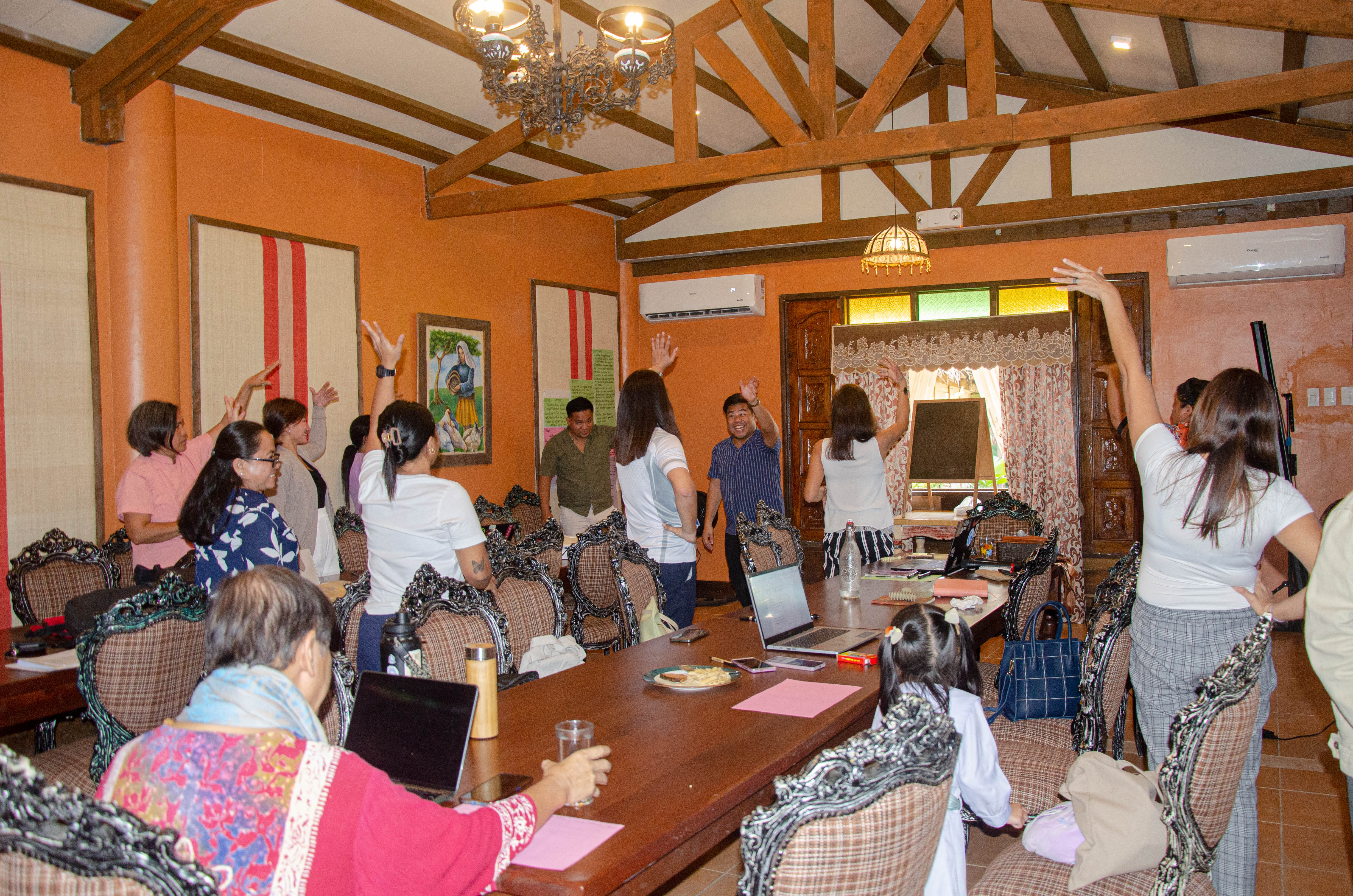
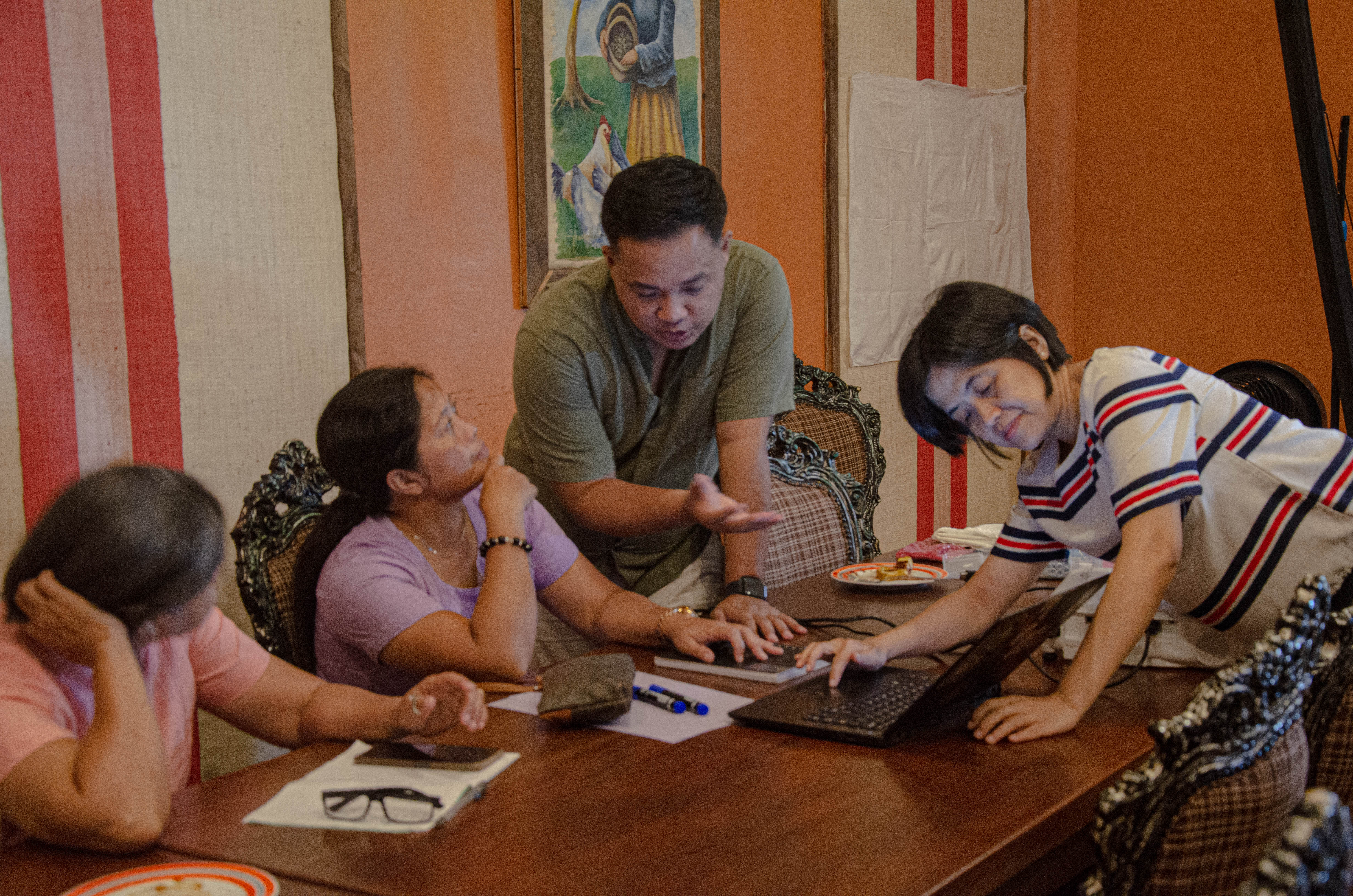
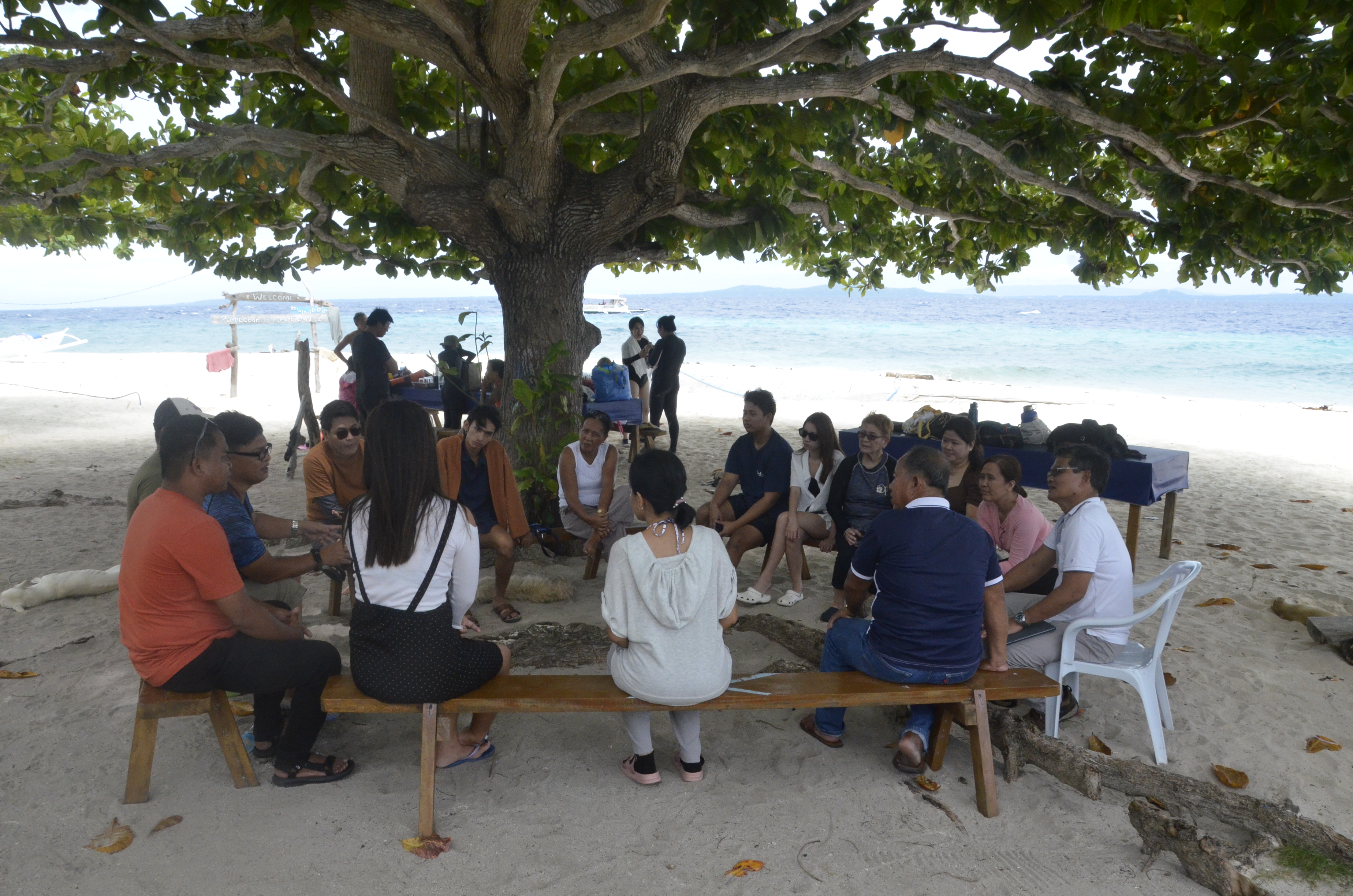
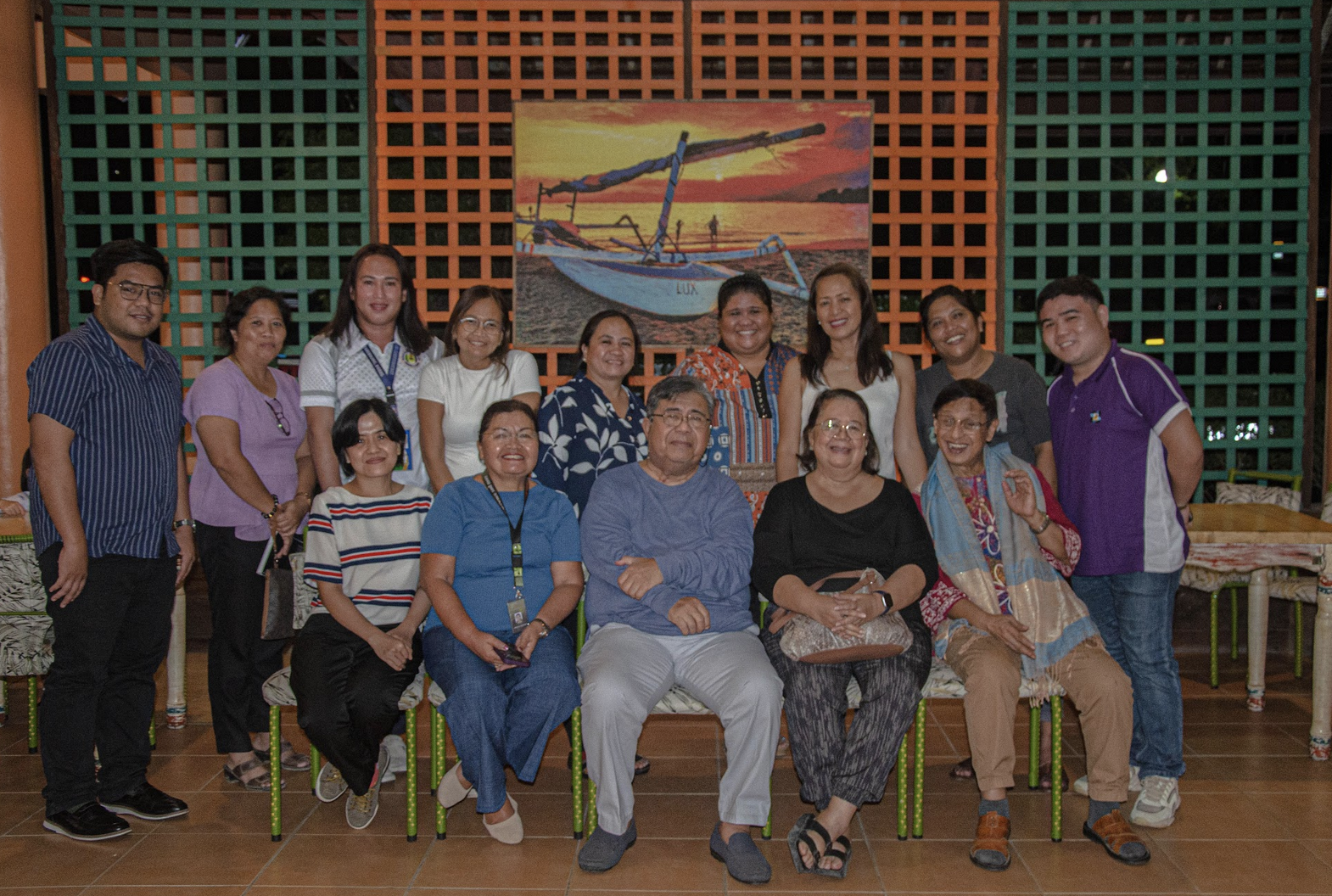
Building on this momentum, a two-day strategic planning session followed on November 11–12, 2024, at the scenic Buzzz of Bohol Bee Farm in Cortes. Participants—ranging from local councils to NGO representatives—collaboratively defined the project’s vision, mission, and core values. Discussions centered on the theater’s long-term sustainability, strategies to empower local communities, and the Abatan River’s role in showcasing Bohol’s cultural richness.

A Catalyst for Heritage and Progress

The Balik BOKAG project underscores the critical role of arts and culture in community development. By nurturing local talent and preserving the Boholano heritage, the initiative builds cultural pride and fosters economic resilience.

“Through initiatives like Balik BOKAG, we reaffirm the power of arts and culture to transform communities, creating opportunities for sustainable growth while celebrating our shared heritage,” said a representative from the ARDMC.

With momentum building, Balik BOKAG is poised to leave a lasting legacy—bringing the arts closer to the heart of Boholano life and ensuring that the creative spirit of the Abatan River continues to flow for generations to come.
Step Up Supports Emerging Leaders through WRTC

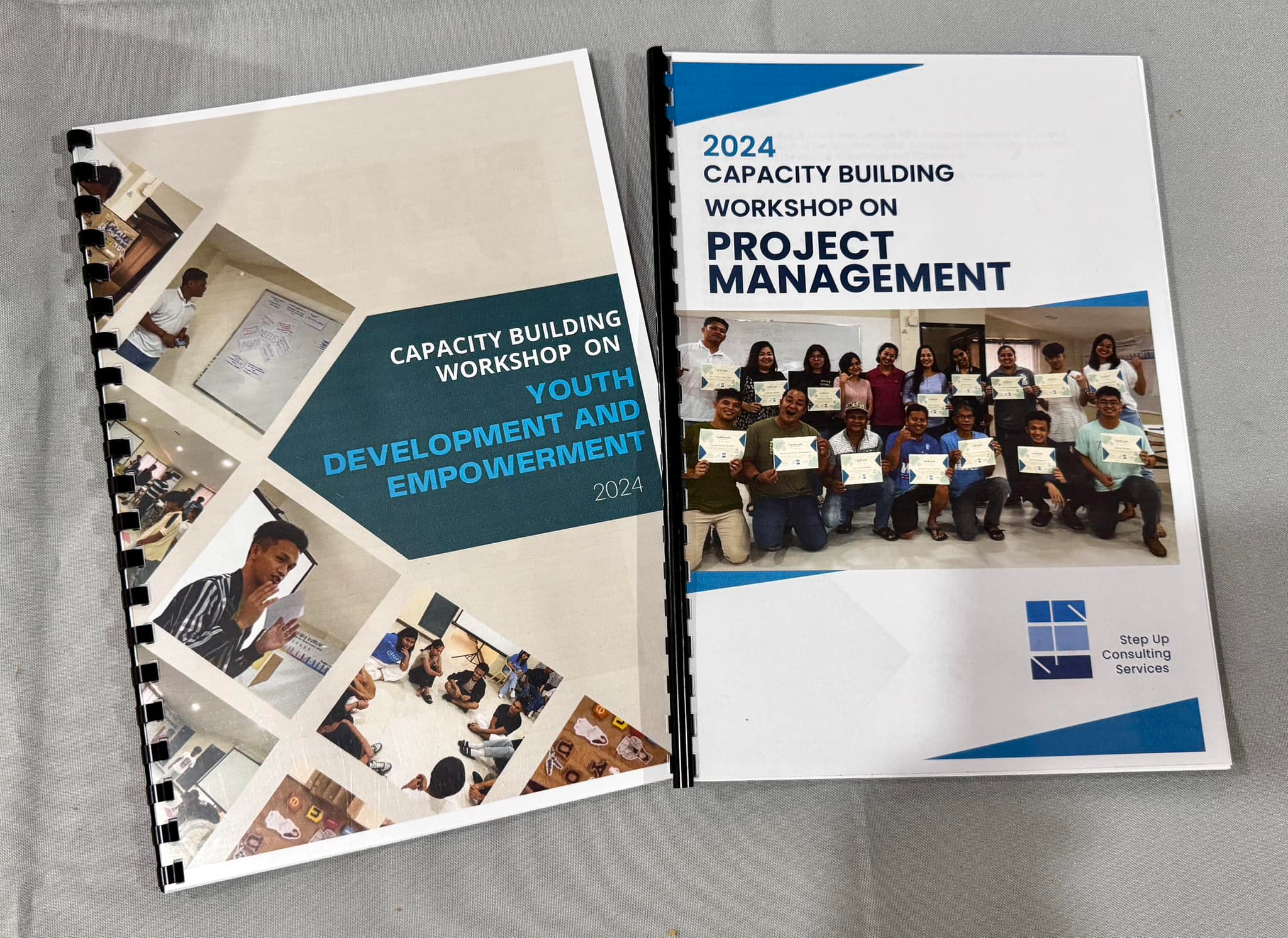
Step Up was commissioned by the Wholistic Transformation Resource Center (WTRC) to facilitate Youth Development and Empowerment Training and Capacity Development on Project Management for the leaders of the Church of Nazarene—GMA as part of its ongoing partnership with the church.

Capacity Development on Project Management

The training, which took place from July 13 to September 14, 2024, was a key initiative to strengthen the project management skills of Church of Nazarene – GMA leaders. The blended sessions—face-to-face and online activities—focused on various stages of project management, including project conception, planning, execution, and monitoring.

The program followed a three-step approach to build the skills of project staff and volunteers:

  1. Capacity Assessment: The first step involved evaluating the current competencies of project staff and volunteers to determine the skills needed for effective project management.
  2. Project Management Strategy Development: In the second step, leaders and volunteers collaborated to create a comprehensive project management strategy detailing the tools and methods for successful project execution and monitoring.
  3. Monitoring and Documentation: The final phase of the training focused on equipping participants with the skills needed to document project progress and assess the impacts of their initiatives to continuously improve the quality and effectiveness of their projects.

The training covered key topics like project initiation, planning, launching, and control, enabling participants to develop a structured approach to managing community-based projects. This initiative improved the leaders’ project management skills and reinforced WTRC’s mission of fostering holistic transformation through partnerships with churches, social enterprises, and other community-based organizations.

The completion of this training marks a significant milestone in the ongoing collaboration between Step Up, WTRC, and the Church of Nazarene—GMA. It reinforces the foundation’s commitment to developing leaders who can drive meaningful change in marginalized communities and support its mission of building stronger, more sustainable communities across the nation.

Youth Development and Empowerment

The training conducted from 20 July to 21 September 2024 focused on building leadership skills, fostering self-care, and enhancing confidence in public speaking. It equipped youth leaders to manage their activities effectively and lead with purpose.
The workshop was designed around key actions to empower participants and create inclusive, supportive spaces for personal and collective growth. Among these strategies were discussions on the importance of self-care and empathy toward others, ensuring that participants felt encouraged to create welcoming environments within their ministries.
A needs assessment conducted through focus group discussions revealed that participants were particularly keen on improving their public speaking abilities, especially when engaging with children and other youth in the ministry. They expressed a desire for leadership training that moved beyond traditional formats, advocating for more interactive, engaging, and meaningful activities. Participants were also eager to explore topics like mental health, online communities, and how to encourage youth participation in ministry.
The training was structured around four main sessions, each designed to be participatory and centred on peer learning. These sessions included:

  1. Session 1: Participation in an Inclusive and Safe Spaces (Care for Self and Others) – Emphasizing the importance of creating inclusive, caring environments where everyone’s voice can be heard.
  2. Session 2: Safety in the Online World – Offering tools and strategies to navigate the complexities of online engagement while ensuring safety for both leaders and youth members.
  3. Session 3: Building Interpersonal Relationships, Self-Confidence, and Communication Skills – Fostering stronger communication, interpersonal skills, and confidence to engage with others effectively.
  4. Session 4: The Leaders We Hope to Become – Encouraging youth to reflect on the qualities they wish to embody as future leaders, helping them align their values with their leadership style.

The dynamic and hands-on nature of the sessions allowed participants to interact directly with their peers, share ideas, and engage in plenary discussions. With an emphasis on creativity, group work, and idea-sharing, the training ensured that each participant had the chance to discover their personal strengths and overcome challenges, especially those related to public speaking.
“Interactive activities, group discussions, and peer-led sharing were key aspects of the training,” explained one participant. “It helped us learn from the facilitator and each other, making the experience much more meaningful.”
The training initiative aligns with Step Up’s broader mission to develop young leaders who are capable, confident, and ready to make a lasting impact in their communities. As the Church of Nazarene – GMA youth leaders implement the skills they’ve learned, Step Up hopes to continue supporting their growth and empowerment through future.

Step Up Consulting Documents CBM Global Philippines’ First OPD and Partners Conference

With the theme, “Advancing Disability Rights and Inclusive Development through Convergence”, the CBM Global Philippines hosted the first-ever conference of organizations of persons with disabilities (OPDs) and partners held at Bayview Park Hotel, Manila on November 27-29, 2023.

The OPD & Partners Conference showcased CBM Global Philippines’ various disability-inclusive development, humanitarian, disaster risk reduction, climate change adaptation, community mental health, inclusive eye health programs and projects implemented in selected regions in the Philippines.  It also presented the OPDs’ good practices in their areas of advocacies.

The 3-day conference covered sessions: project presentation on the gains from inclusion, building from lessons learned from field programs and projects; sharing of good practices specifically on enabling persons with disabilities as agents of change; updates on the country’s disability movement initiatives; and building consensus on Convention on the Rights of Persons with Disabilities (CRPD) Report/Commitment and Partnership with UNCRPD.

Two research presentations were also made during the conference. The first one was on the impact of climate change on persons with disability in Bicol Region presented by Simon of Cyrene organization. The second one was on the impact of climate change on persons with disabilities in Laoang, Northern Samar, by Life Haven Center for Independent Living, Inc.

The event also provided opportunities for partnerships and networking among participants and for all members of CBM Global’s Country Advisory Panel (CAP) to have a broader perspective of the organization’s current and future programs.

Step Up Co-Facilitates and Documents Pista sa Kadagatan

Step Up Consulting co-facilitated the Pista sa Kadagatan, a 3-day activity of Alliance Française de Manille, in partnership with the Provincial Government of Bohol activity, which formally opens the Ocean Program 2023-2025, a program by the Alliance Française de Manille.  Kasing Sining served as the major organizer and facilitator of the said event.

The three-day event last September 27-30 was a series of cultural tours with different activities that brought science, arts, culture, and sustainable development to life. From inspiring discussions on climate, tourism, and marine heritage to heartwarming interactions with coastal communities, it highlighted our shared commitment to preserving the ocean’s well-being and its invaluable marine treasures

Day 1 covered the Summit, where the orientation and overview of Pista sa Kadagatan and a series of presentations among experts in the relevant fields were held at Ceremonial Hall, Provincial Capital, CPG North Avenue, Tagbilaran City. Presentations included the ecological importance of this UNESCO Biosphere Reserve and the local efforts in marine conservation through a series of lectures that focused on the status of the waters, cultural heritage, and heritage, and environmental conservation. Day 1 concluded with a play entitled Usa Ka Isla, performed by Kasing Sining. Presenters during the Summit were Dr Ben Malayang, an environmental scientist, on “A Science Culture to Better Appreciate Bohol’s Land and Sea”; Ms Len Barrientos, UNACOM Philippine Representative, presenting the UNESCO Agenda on UN Decade of the Oceans; and Prof. Eric Zerrudo, PhD, the Director of University of Santo Tomas Graduate School Center for the Conservation of Cultural Property & Environment in the Tropics, discussing Philippine Archipelagic Thinking, entitled, Kapuluan: an Appreciative Inquiry on Philippine Archipelagic Thinking. An open forum and sharing were conducted after the morning session. A documentary entitled “Kinabuhing Mananagat (The Life of a Fisher) directed by Mr. Procopio “Cooper” Resabal was shown thereafter. 

The afternoon session started with a story-telling by Prof. Marinanito Luspo, a local historian and consultant of the Center for Culture and the Arts (CCAD), entitled Sugid: Telling the Tales of the Seas Around Us. This was followed by a presentation on the dynamics of the water bodies surrounding Bohol presented by a fellow Boholano Prof. Rene Rollon, Professor of the Institute of Environmental Science & Meteorology – University of the Philippines Diliman. The resident geologist of the Province of Bohol, Mr. Karl Michael Din, also presented the Bohol Geopark and its Connectivity with Bohol Seas. Lastly, a representative from the Department of Environment and Natural Resource (DENR-Bohol) was presented by Mr. Ariel Rica. After the presentations, a synthesis was done to assess the learnings and insights of the participants. Usa Ka Isla, a play performed by Kasing Sining was also held during the evening event.

Days 2 and 3 covered the site visits and workshops, in caravan style, organized in these 2 areas, one after the other. These activities enabled community fisherfolks, artists and experts to immerse themselves in the beauty of these water worlds, in listening to the peoples’ stories, inspiring creative dialogues and possibly creative showcases or small works that reflect the essence of marine life and culture. Selected learning sessions were focused on blending cultural heritage with marine conservation, showcasing the deep connection between the people and their environment.

Step Up Wins International Research Competition

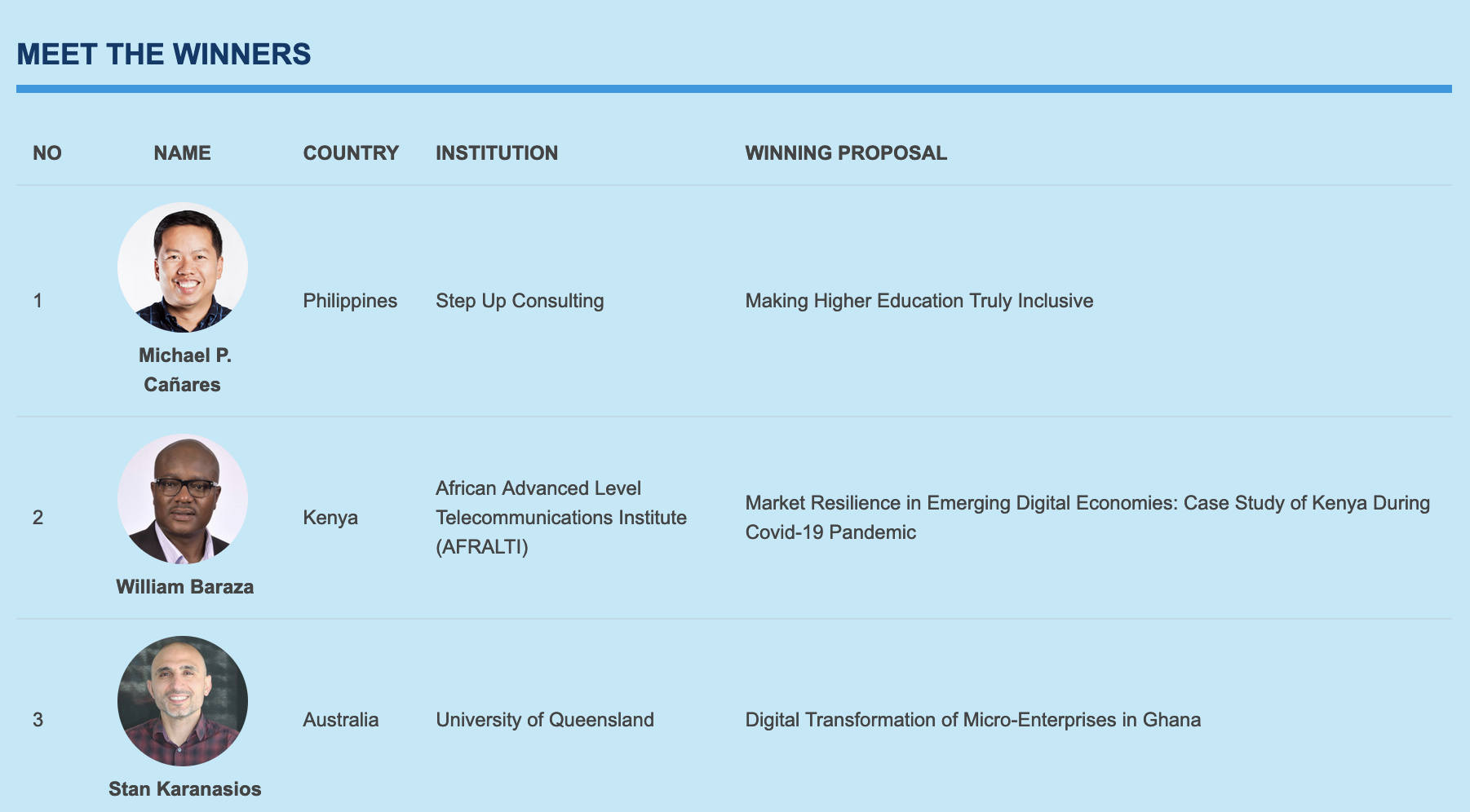
Step Up Consulting is one of the 15 research teams across the world awarded by the International Telecommunications Union of the United Nations to undertake research on how to accelerate digital inclusion during the COVID-19 recovery globally.

The research competition, dubbed as Connect2Recover aims to “reinforce and
strengthen the digital infrastructure and digital ecosystems of beneficiary countries as they
adjust in the wake of COVID-19 and remain resilient in times of disasters”. The research competition is one of the preliminary activities of the initiative aimed at “identifying the
gaps and bottlenecks in the effective use of digital networks and technologies”.

Step Up Consulting team will consist of Michael Canares and frequent collaborator Francois Van Schalkwyk of Stellenbosch University based in South Africa. The project will focus on the connection of marginalized university students during and after the covid-19 pandemic to new modes of higher education delivery to ensure greater inclusion and unlock the socio-economic development potential of higher education. The issue of emergency remote teaching and learning in higher education and the consequences of this shift on marginalized students given the challenges of unevenly distributed ICT infrastructure and internet affordability has received some attention in the media and, to a lesser extent, in the academic literature.

However, little has been done to synthesise the observations and information on the issue, especially across multiple contexts. Nor have efforts been made to connect the covid-19 experience to the broader literature on infrastructure, access and inclusion. This research project will provide new knowledge related to digital inclusion and will build on previous research undertaken in this area, specifically previous research undertaking by the research team that showed how data activation, intermediaries and the distribution of power are key determinants of digital inclusion (Van Schalkwyk & Canares 2020). The proposed research project will bring into the constellation of determinants the role of ICT infrastructure in fostering sustainable digital inclusion, especially in the context of education.

Step Up’s 5 Case Studies Published by HIVOS

Five case studies that were part of the research paper on Open Contracting and Inclusion were published by HIVOS. The research project, managed by Step Up Consulting, was led by Michael Canares, Strategy Advisor of Step Up Consulting and Francois Van Schalkwyk of Stellenbosch University, South Africa.

As can be remembered, Miko (Michael) and Francois wrote the research paper “Open Contracting and Inclusion – A Synthesis Study” published by HIVOS two months ago. The five case studies that were the basis of the synthesis papers are as follows (click on the link to access the case studies):

  1. Bandung, Indonesia: an open contracting pilot project implemented the City of Bandung with the support of the World Bank and the National Procurement Agency. The citizen engagement component of the project was implemented by World Wide Web Foundation’s Open Data Lab Jakarta, the aim of which is to cultivate use of published contracting data by the city government of Bandung, Indonesia.  (download here)
  2. Bantay Kita, Philippines: Open mining governance to increase access, understanding and use of mining contract data in Cebu and Palawan provinces in the Philippines. (download here)
  3. Budeshi, Nigeria aims to ensure that public service delivery in Nigeria is opened to public scrutiny. Budeshi also requires that data across the budget and procurement processes are structured enough to enable various stages to be linked to each other and, eventually, to public services. (download here)
  4. Preferential Procurement, South Africa: Public procurement regulations introduced by the national government in 2017 stipulating that at least 30% of the value of all government contracts of ZAR30 million or more must be subcontracted to specified disadvantaged groups, including youth and women. (download here)
  5. Access to Government Procurement Opportunities, Kenya: Public procurement regulations introduced by the national government in 2013 stipulating that at least 30% of all government contracts must be subcontracted to specified disadvantaged groups, including youth and women. (download here)

Step Up Presents Research on the Socio-Economic Impact of COVID-19 onTagbilaran City

Step Up Consulting presented the results of its recently conducted research on the socio-economic impact of COVID-19 on Tagbilaran City to stakeholders from government, civil society, and the private sector last 17 July 2020.

The research was fully funded by Step Up Consulting, with the technical support of the City Government of Tagbilaran and Dr. Rosalinda G. Paredes, city coordinator of USAID SURGE. It seeks to answer the following questions:

a. What are the key socio-economic impacts of the COVID 19 pandemic more particularly to the businesses, employees, and informal and on-account workers?

b. What is the level of economic vulnerability of the groups mentioned above to withstand a prolonged enhanced community quarantine?

c. What policy measures and programs are needed to be in place to protect the most vulnerable from the adverse economic impacts of the COVID crisis? 

During the public presentation held via zoom, Step Up also launched the research website that will communicate research findings in digestible chunks. You can find the website on this link – https://covidimpactresearch.com/

Working on Systems Mapping with Indonesia NGO Network

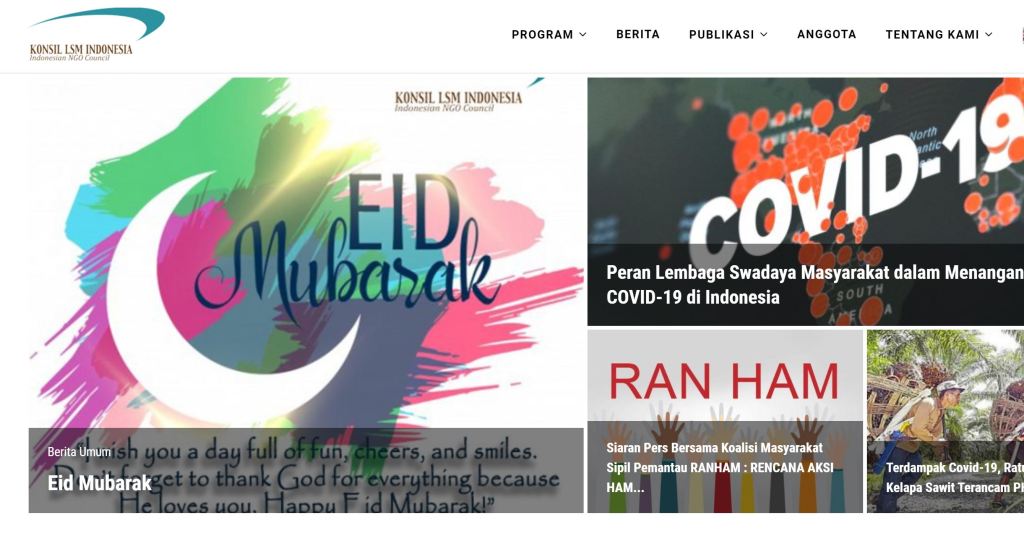
Step Up strategy advisor, Michael Canares, works with Konsil LSM Indonesia (Indonesian NGO Council) on a systems mapping research together with Open Data Lab Jakarta to develop a deep understanding of the systemic challenges in affecting gender-inclusive development in the cities of Jakarta, Banda Aceh, Bandung, and Pontianak in Indonesia.

The  system  mapping  research  consist  of  three  main  components:  1)  desk  research,  2) interviews with key civil society and government stakeholders in each of the target cities, and 3) system mapping workshops. Mr. Canares was engaged by the project implementation team to design the online workshop using different online tools.

Mr. Canares designed the different workshops aimed at (a) identifying and validating priority issues related to gender-inclusive development in each city; (b) recommending strategies or solutions to gender-inclusive development issues in each city and identify ways in which open data can be part of the solution; (c) identifying and prioritizing skills gaps and data gaps needed in implementing the solutions; and (d) identifying key actors and validating coalitions between actors within and inter-city, including support needed to strengthen the collaboration.

The workshops started in June 2020 and will wrap up in the next three weeks.

HIVOS Publishes Step Up’s Paper on Open Contracting and Inclusion

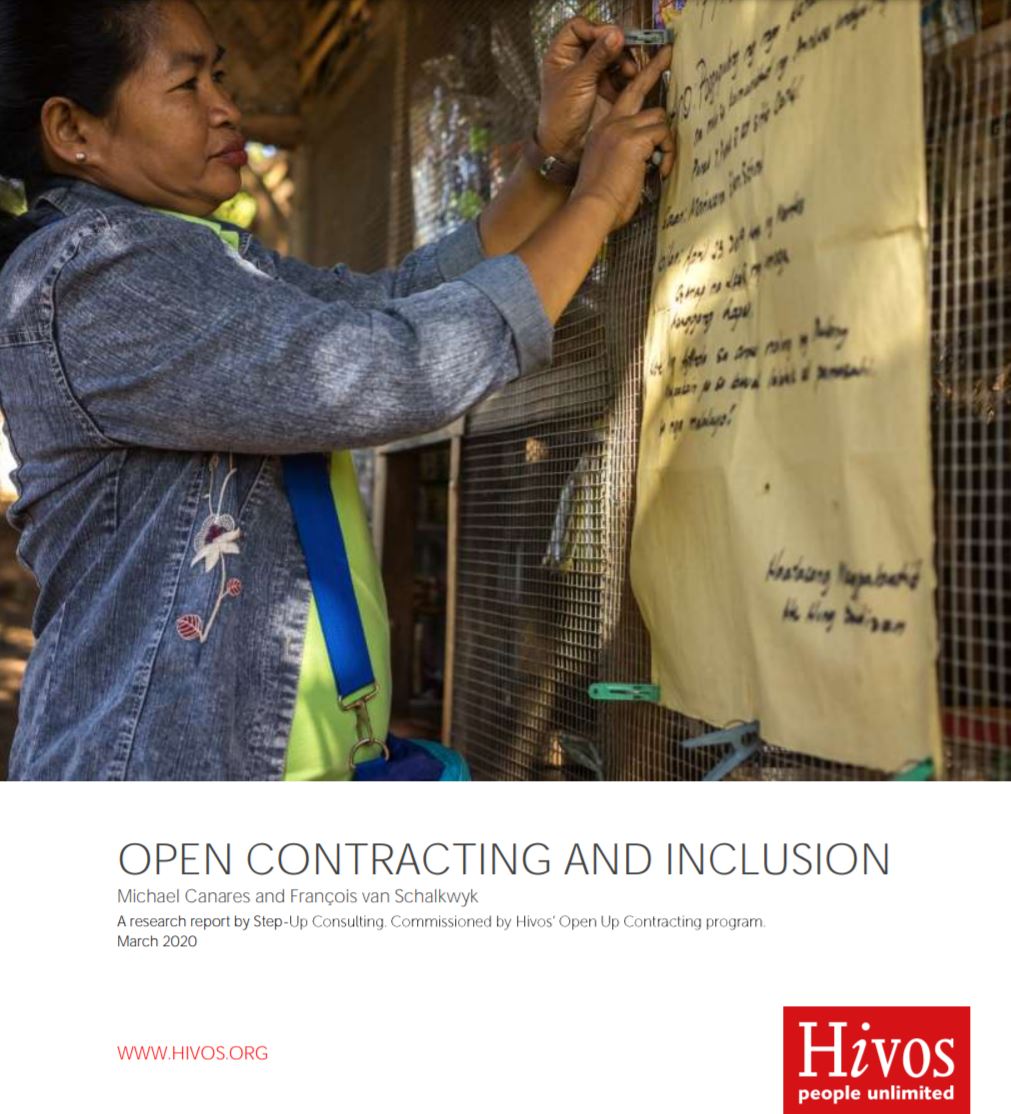
hivos book cover

Hivos, a development organization based in the Netherlands recently published a research it commissioned to Step Up Consulting. The research, done by Michael Canares and Francois van Schalkwyk, interrogates whether open contracting reforms can or can not lead to increased equality and inclusion in public contracting processes.

Open contracting has been adopted by more than 35 governments worldwide and has received significant attention from advocates and researchers alike. According to the organisation Open Contracting Partnership, open contracting has become “a new global norm, recommended and endorsed by global bodies such as the G7, the G20, OECD, the European Commission, the World Bank, and the European Bank of Reconstruction and Development”. However, evidence of the concrete benefits that open contracting delivers derives from a limited sample of case studies or single-country research pilots.

The research made use of a case study approach covering 5 low and middle-income countries.  The cases covered are as follows:

    1. Bandung, Indonesia: an open contracting pilot project implemented the City of Bandung with the support of the World Bank and the National Procurement Agency. The citizen engagement component of the project was implemented by World Wide Web Foundation’s Open Data Lab Jakarta, the aim of which is to cultivate use of published contracting data by the city government of Bandung, Indonesia.  
    2. Bantay Kita, Philippines: Open mining governance to increase access, understanding and use of mining contract data in Cebu and Palawan provinces in the Philippines.
    3. Budeshi, Nigeria aims to ensure that public service delivery in Nigeria is opened to public scrutiny. Budeshi also requires that data across the budget and procurement processes are structured enough to enable various stages to be linked to each other and, eventually, to public services.
    4. Preferential Procurement, South Africa: Public procurement regulations introduced by the national government in 2017 stipulating that at least 30% of the value of all government contracts of ZAR30 million or more must be subcontracted to specified disadvantaged groups, including youth and women.
    5. Access to Government Procurement Opportunities, Kenya: Public procurement regulations introduced by the national government in 2013 stipulating that at least 30% of all government contracts must be subcontracted to specified disadvantaged groups, including youth and women.

If you are interested to learn more about the research, please download the file from this link.


Step Up Wins HIVOS Contract to Study Open Contracting in 4 Countries

afc0bc35-f835-40b4-ac93-73ae331df9e8
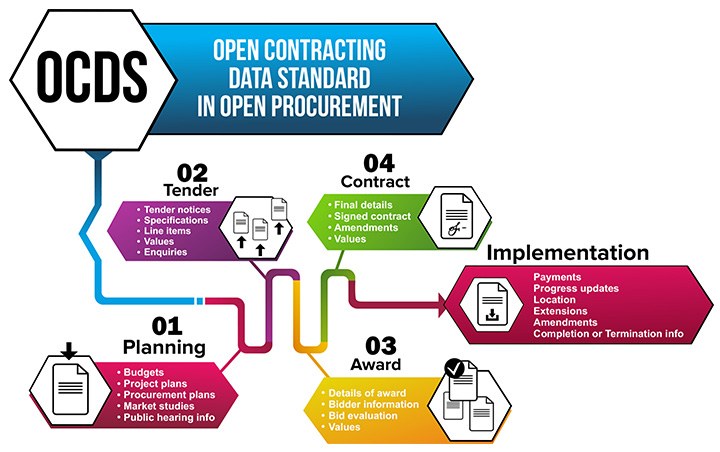
Open Contracting and OCDS (Image taken from https://openprocurement.io/en/ocds

Step Up Consulting was awarded a research contract by HIVOS, a development organization headquartered in the Netherlands, to undertake a research project to understand how open contracting reforms and increased availability of contract data can be used to realize results and benefits for specific, historically marginalized groups external to government.

Step Up Consulting is one of the several firms considered to undertake the research but got the final nod of the HIVOS review panel based on the strength of its proposal and the quality of the composition of its research team. The research will be conducted in Kenya and Nigeria in Africa, and Indonesia and the Philippines in Asia.

For this research, Step Up’s team is composed of Michael Canares, strategy advisor, as research lead and Francois Van Schalkwyk, a long-time collaborator of Mr. Canares, along with Fiona Smith and Ana Brandusescu as review panel.  The research will run from July 2019 to January 2020.

The research, using a case study approach, aims to identify and assess ways in which key aspects of open contracting reforms did or did not lead to circumstances where open contracting resulted in increased equality and inclusion in public contracting processes. More particularly, the research would like to answer the following questions:

  1. How can open contracting reforms and increased availability of contract data be used to realise results and benefits for specific, historically marginalised groups external to government? 
  2. What contextual and programmatic aspects in open contracting contribute to achieving meaningful results and benefits for these marginalised groups? 
  3. What do specific, historically marginalised stakeholders experience as significant barriers/impediments to achieving the desired results and benefits?