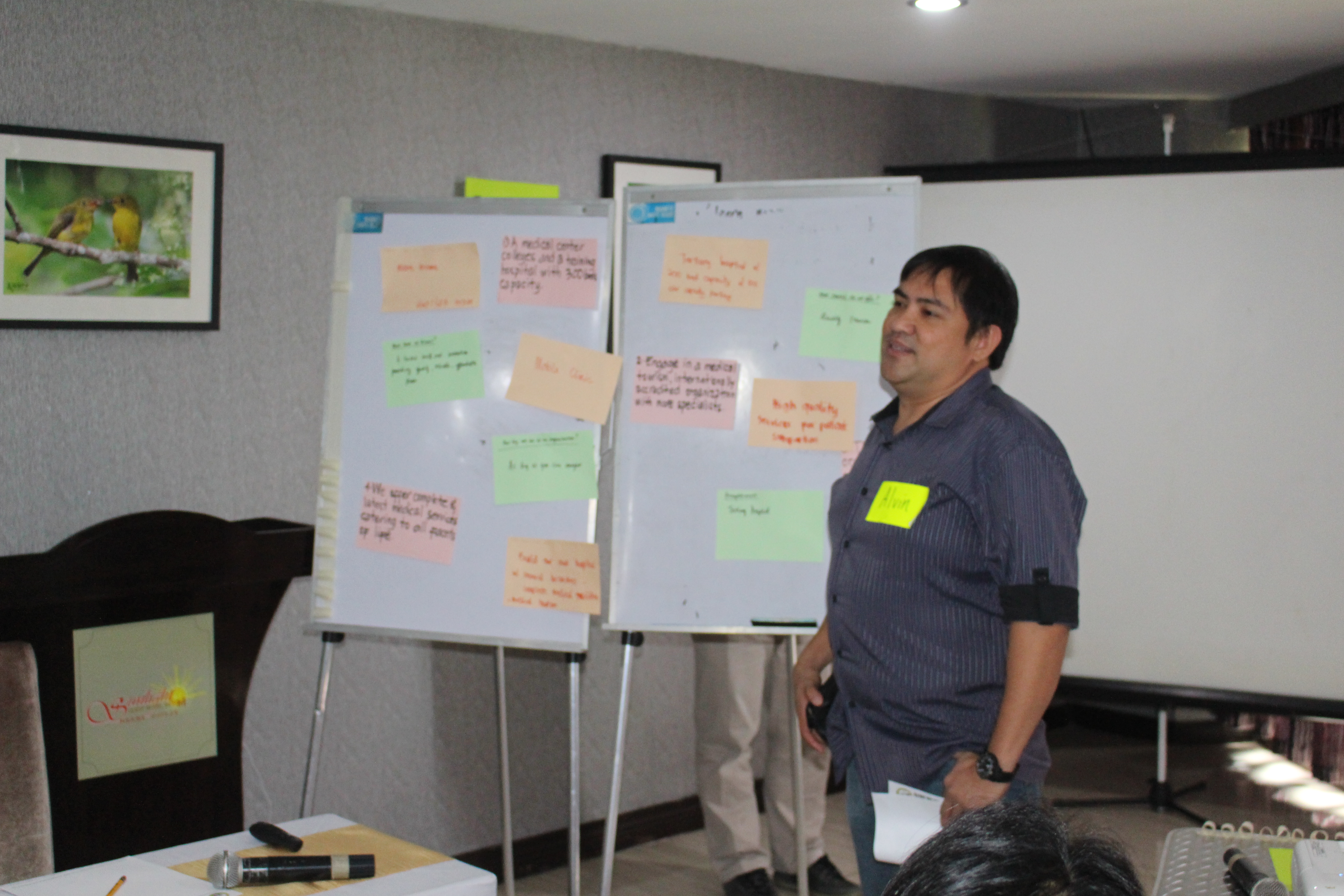
Step Up Consulting conducted a strategic planning workshop for the Local Government Capability Development Division of the Department of Interior and Local Government-Region VII as the division prepares for another year of coordinating capacity building programs for local government units.
The workshop, held on January 30 to February 1, 2019 at the Ranch Resort in Toledo, Cebu, was participated in by a dozen of local government officers and their division chief Ms. Marithel Oporto. The workshop was able to tackle the division’s mandates, current accomplishments, future targets, and enabling strategies to achieve division goals.
Assistant Regional Director Louella Luceno graced the event on the third day and encouraged the participants to pursue the plan and be inspired to do more for the success of the division. She also expressed her renewed commitment to strengthen the Local Governance Resource Center of the region.
Mr. Michael Canares, Step Up’s strategy advisor, designed and facilitated the whole event with the assistance of Ms. Jean Celeste Paredes, research associate.
Step Up Consulting was contracted by the Department of Interior and Local Government Region VII Regional Office to facilitate the review on the implementation of locally-funded projects as well as a strategic planning for the year 2019. The activity was held on December 19-21, 2018 at the Bohol Bee Farm Resort in Dauis, Panglao Island.
The activity was attended in by the DILG officials from the four provinces of Region VII, namely Bohol, led by Mr. Johnjoan Mende, provincial director; Cebu, led by Mr. Jerome Gonzales, provincial director; Negros Oriental, led by Mr. Dennis Quinones; and Siquijor, led by Mr. Kenneth Kilat.
Step Up Consulting trained officials of the Department of Interior and Local Government – Region VII, on the basics of Results-Based Management. The training intended to enable the participants, largely coming from the agency’s project development and management units (PDMU) in the Central Visayas region, to understand the basic concepts and principles of RBM as a tool in project development and management, practice the use of the RBM tools using case studies, and craft a plan of action in mainstreaming RBM practices with Region VII’s project development, monitoring, and evaluation practices.
The training was attended by the regional PDMU office, including the provincial PDMUs of Bohol, Siquijor, Cebu, and Negros Oriental. The training was held on March 13-15 at Golden Prince Hotel and Suites in Cebu City. It made use of a combination of adult-learning exercises, games, and case studies.
The participants expressed gratitude to the training team of Step Up Consulting for effectively carrying-out the learning exercises.
Step Up Consulting strategy advisor, Michael Canares, was engaged by the Gerry Roxas Foundation to train its grantees on outcomes reporting using a results-based management lens (RBM). The training was conducted in Belian Hotel in Tagbilaran City on February 6-7 2018.
Gerry Roxas Foundation manages and implements the United States Agency for International Development (USAID) grant facility called the Philippine-American Fund or Phil-Am Fund. Phil-Am Fund finances “local activities that support economic growth, good governance, anti-trafficking in persons, child and adult literacy, and environmental objectives of USAID in the Philippines”.
A total of 56 participants attended the training composed of roughly around 12 grantees of Phil-Am Fund.
Results-based management is a key expertise of Step Up Consulting. In the past, the firm has been engaged by international organizations as Louis Berger, Woord en Daad, Fundacion Ipade, SABIC Belgium to conduct monitoring and evaluation work.
A participant reports on the results of project implementation using the OECD-DAC evaluative criteria.
Step Up Consulting Services facilitated the project-end evaluation workshop of the Bohol Consortium on Humanitarian Assistance (BCHA). The evaluation workshop reviewed the implementation of the Strengthening the Capacities of Local Consortium towards Effective Humanitarian Assistance project participated by BCHA members, namely, the Bohol Integrated Development Foundation, Inc. (BIDEF), Social Action Center (SAC),UB Community Development Foundation, Inc. (UBCDFI), and Philippine Center for Civic Education and Democracy (PCCED). The workshop was conducted on 11-12 January 2018 at Bohol Bee Farm, Dao, Dauis Bohol.
The province of Bohol is highly vulnerable to various natural and manmade calamities. It is often ravaged by typhoons which appear to be increasing in frequency and strength each year. Monsoon winds that produce storm surges, heavy rainfall and sea level rise also pose threats to the province. More importantly, the province has various known faults that have the capacity to generate massive earthquakes similar to the 7.2 magnitude earthquake that struck the province on October 15, 2013.
The occurrence of these hazards is inevitable. Hence, a group of local organizations that managed to raise funds during the great Bohol earthquake in 2013 initiates to organize and forge themselves to become a local consortium for humanitarian assistance aptly named BCHA. However, this newly organized group has to be strengthened and capacitated in order to become effective in their goal of coming and working together for humanitarian aid to disaster affected communities/individuals.
Implemented in 2016 to 2107, the Strengthening LC Project (Strengthening the Capacities of Local Consortium towards Effective Humanitarian Assistance) aimed at improving and strengthening the capacity of the consortium members to become effective in providing assistance to communities and individuals affected by natural and man-made disasters.
The workshop was able to identify significant changes that was caused by the project at the individual, non-government organization (NGO), and consortium levels.
At the individual level, the three most significant changes are the (1) Change in attitude more particularly in having more patience to deal with challenges; (2) Enhanced knowledge and skills on humanitarian response; and (3) Increase in the level or nature of assertiveness of project team members. At the NGO level, the three significant changes include (1)the building of credibility and confidence of each organization trained in performing disaster risk reduction and humanitarian related activities; (2) enhanced coordination and linkaging among BCHA members and other organizations; and (3) Services rendered are based on lessons learned from the capacity building activities, including improvements in systems and procedures (e.g. finance, monitoring and evaluation, among others). At the consortium level, the project was able to (1) equip the personnel on how to respond to disaster with clear and focused direction; (2) inspire the consortium to pursue development programs together as they were able to achieve a lot by working together; and (3) capacitate the consortium to network and link with other humanitarian assistance groups and pursued its commitment to extend its services beyond Bohol.
Ilog Kinderhome Foundation, Inc., a long time all of Step Up Consulting, conducted its strategic planning workshop last January 4-5 2017 at Zaycoland Resort in Kabangkalan City, Negros Occidental. The workshop, attended by board members and staff of Ilog Kinderhome,reviewed its four-year strategic direction and charted a new strategic plan up to 2020.
Step Up Consulting was contracted to facilitate the activity. Step Up has been working with Ilog Kinderhome since the time that it implemented an EU -funded project for children in the province of Antique.
Step Up Consulting facilitated the business planning for a multi-specialty clinic and diagnostic center in Palawan last December 17-18, 2015 at Sunlight Hotel Palawan. The business planning activity was attended by board and staff members of the Padre Pio Multi-Specialty Clinic and Diagnostic Center.
The business planning sought to define the direction of the organization up to 2020 and the strategies to achieve this. It also helped redefine the roles and responsibilities of the different organizational stakeholders in achieving both strategic and operational goals.
Participants considered the activity as very productive and relevant to their needs. Step Up consultants ensured that the design of the activity will meet the expectations or the organization; achieve desired outputs in a fun and productive way.
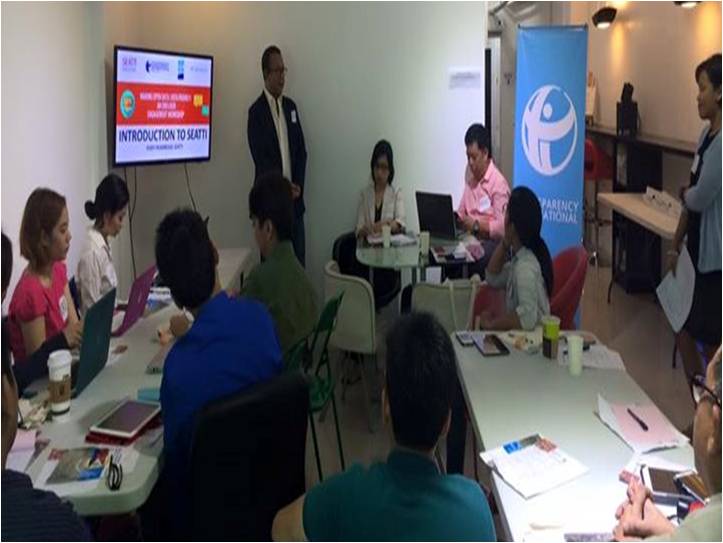
Last 17 October 2015, Step Up Consulting Services (Step Up) and Transparency International-Philippines (TI-PH) co-organized Making Open Data User-Friendly: An Open Data End-User Engagement Workshop,through the generous support of the Southeast Asia Technology and Transparency Initiative (SEATTI). Combining talks from experts in open data, transparency and data use with interactive workshops, the event aimed to bring open government data to the doorsteps of concerned groups and individuals. This is Transparency International-Philippines’ second Technology for Transparency workshop, which is an overall initiative to use technology as a means to innovate integrity tools and promote transparency. TI-PH’s involvement in the workshop links the implementation and use of open data with the fight against corruption.
In partnering with TI-PH, Step Up Consulting Services aimed to share its research on the state of open data in the Philippines. The research was successful in pinpointing the various elements which interact and cause challenges for open data use. Step Up views the end-user engagement workshop as a springboard toward identifying, improving, and sharing the solutions identified for the challenges we face in opening data in the country.
Together, the workshop organizers gathered different experts and participants with a shared interest in making open data more accessible, comprehensible and most importantly, usable by potential beneficiaries. Speakers for the workshop were Michael Canares, Strategy Advisor of Step Up, Dr. Cleo Calimbahin, Executive Director of Transparency International, Dody Priambodo, Project Manager of SEATTI, Michelle Manza of the Open Data Task Force, and TJ Palanca, Operations Coordinator of Uber Philippines and data blogger at Jumbo Dumbo Thoughts.
Step Up Consulting Services was contracted by Soil and Water Conservation Foundation (SWCF) to write its book of best practices in natural resource management.
SWCF management team and staff in a book concept writeshop last September 2015.
SWCF has been in existence for more than thirty years now. SWCF began in 1985 as an informal network of persons of several nationalities concerned with the global ecological challenge and the necessity of broad-based local initiatives to respond.
It started small-scale support of existing projects by providing inputs to farm-based species trials and consultancy services to hone the technical and management capabilities of project staff and extension workers. Convinced that the geo-physical eco-system called the watershed is the operative planning and implementation unit, the Foundation embarked on its first three comprehensive, integrated and cooperative ventures to rehabilitate three watersheds in Cebu, Negros Oriental, and Negros Occidental. Since these three initial projects, the Foundation has completed implementation of almost a hundred environment projects in at least four regions in the Philippines for the last three decades.
The initial title of the book was “Nourishing the Earth, Nurturing the Soul”. The title speaks volumes of what SWCF wanted to do, and is still trying to do since the time it started – to nourish the earth, and nurture the soul – two processes that feeds into each other and articulates SWCF’s development philosophy. SWCF does not only intend to change the landscape but also the people. This involved understanding deeply why people and communities lose appreciation of God’s creation and finding ways on how collectively stakeholders are able to restore this. This book narrates how these processes evolved in the communities in Bohol, how people were touched, and how it led helped restore the environment.
Mr. Canjura is a Canadian urban planner and governance specialist. Since his arrival in the Philippines Mr. Canjura has worked extensively in local governance, with a focus on building mechanisms and tools that foster greater local economic development and a more competitive business enabling environment. He recently completed a study on the human resource and organizational development interventions that lead to greater local competitiveness, and collaborated in an assessment of Local Economic and Investment Promotion Officer (LEIPO) competencies. Prior to his involvement in this project, Mr. Canjura also worked on several other open government initiatives: he conducted a study on the state of advocacy for budget transparency; and worked on an assessment on open contracting data in the Philippines. Mr. Canjura holds a Master’s Degree in Urban and Strategic Planning from Dalhousie University in Canada; a Diploma in Project Management and an Honours Bachelor’s Degree in Geography, both from the University of British Columbia, Canada.

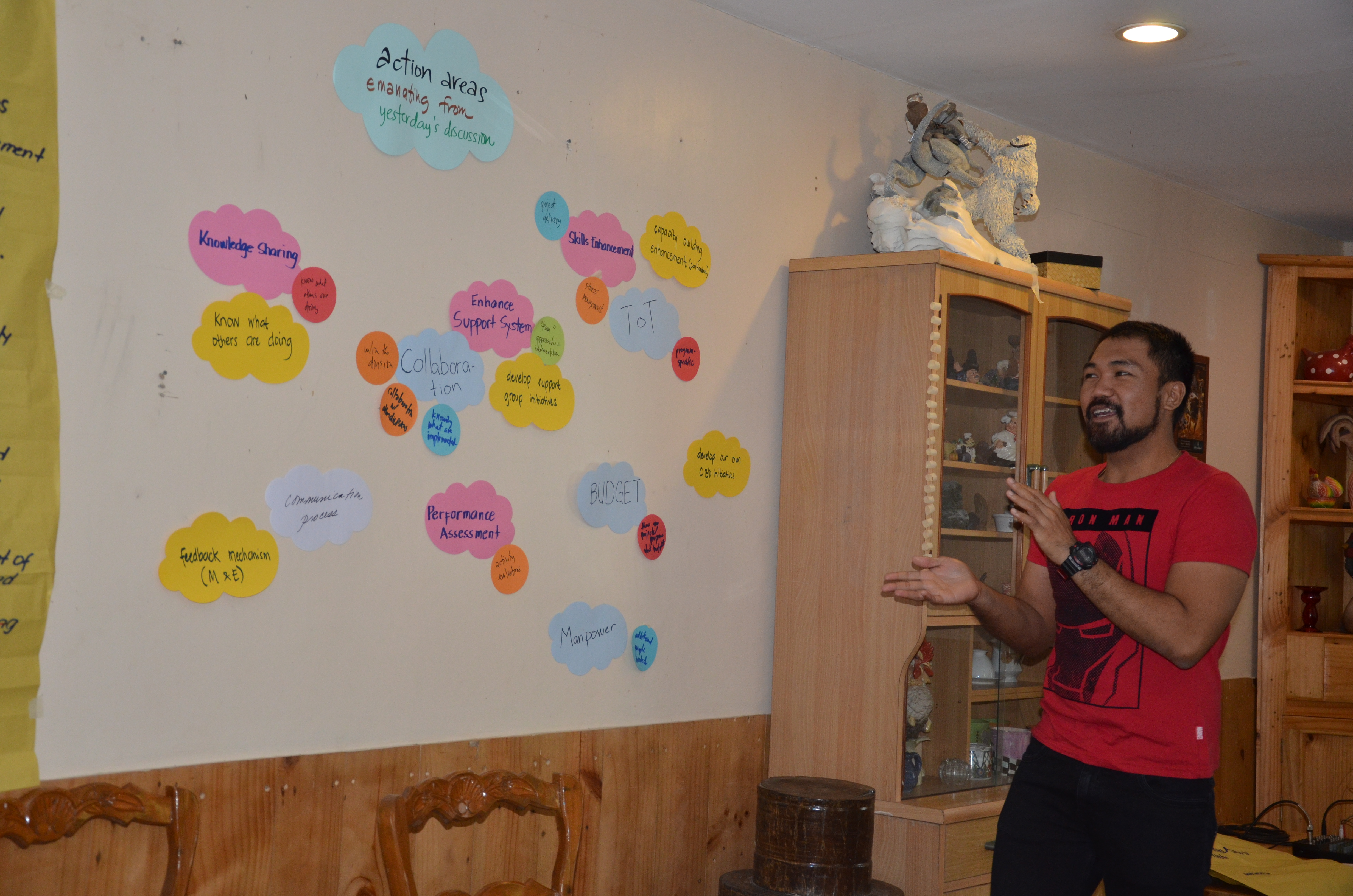
 Step Up Consulting was contracted by the Department of Interior and Local Government Region VII Regional Office to facilitate the review on the implementation of locally-funded projects as well as a strategic planning for the year 2019. The activity was held on December 19-21, 2018 at the Bohol Bee Farm Resort in Dauis, Panglao Island.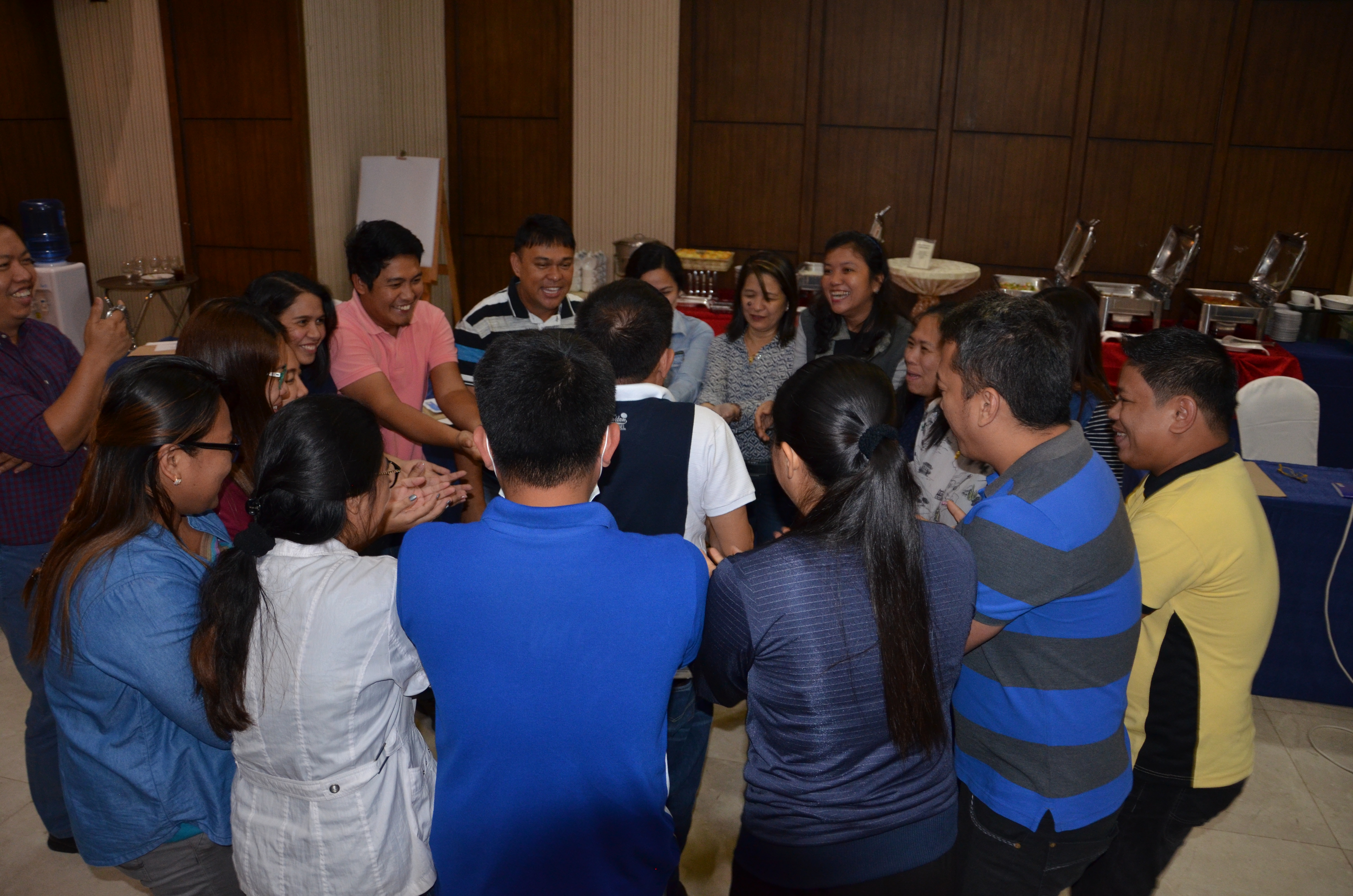
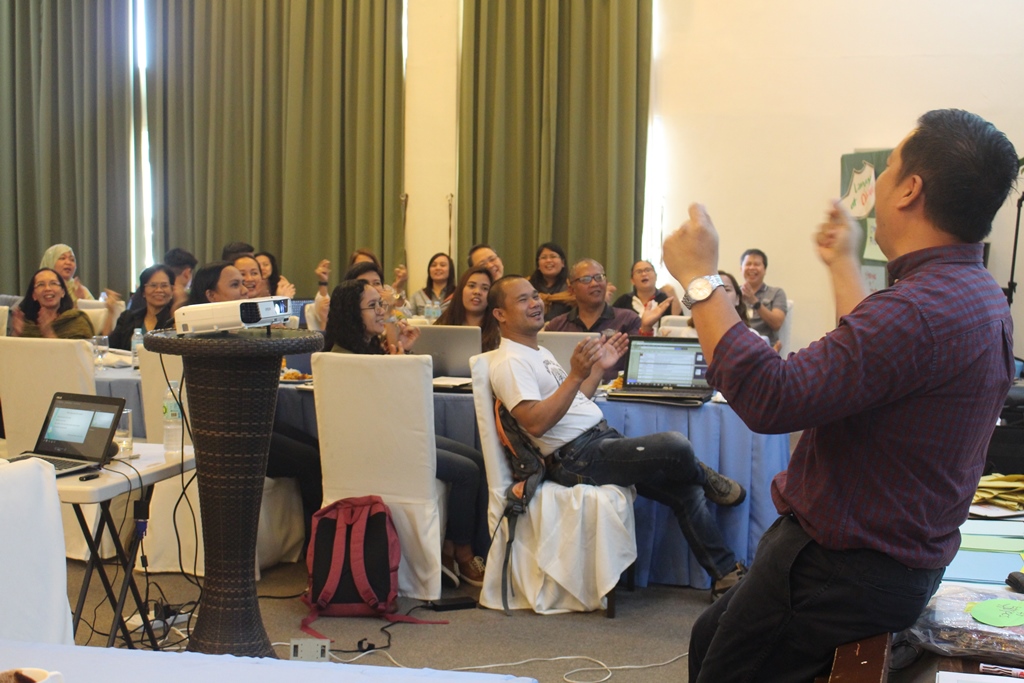 Step Up Consulting strategy advisor, Michael Canares, was engaged by the Gerry Roxas Foundation to train its grantees on outcomes reporting using a results-based management lens (RBM). The training was conducted in Belian Hotel in Tagbilaran City on February 6-7 2018.
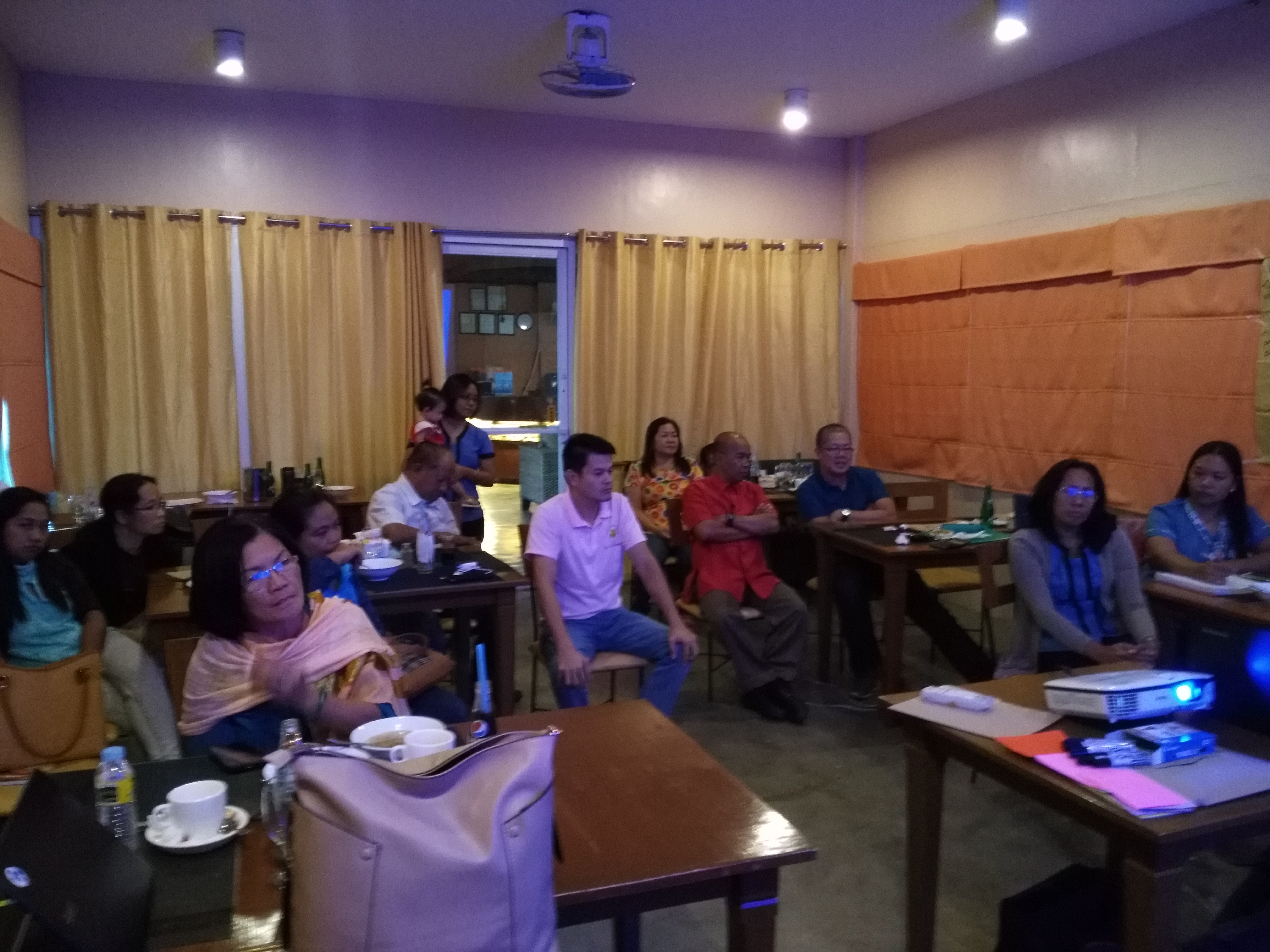
 Last 17 October 2015, Step Up Consulting Services (Step Up) and
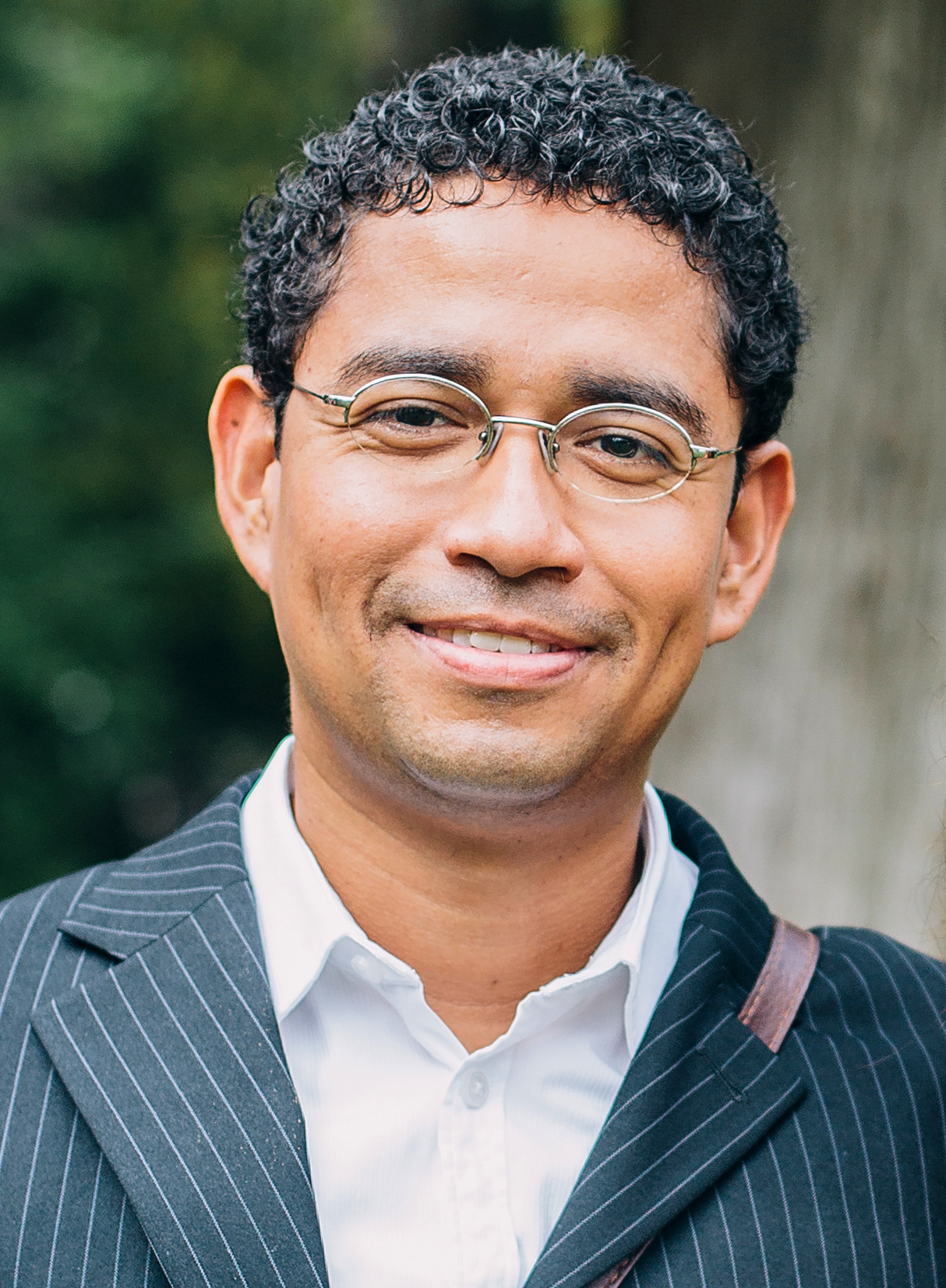 Canjura is one of the latest addition to Step Up’s roster of consultants. He joins Step Up this year as one of the researchers of the project on
  Step Up Consulting