Step Up Assists Arts and Culture Workshops for Bohol

Step Up reignited its mission to help build sustainable communities through art and culture by reviving the Balik BOKAG initiative. This transformative project taps into the rich heritage and creative industries of communities along the Abatan River. Running from 2024 to 2027, this three-year program is a collaboration among the Abatan River Development Management Council (ARDMC), PROCESS Bohol, Inc., Kasing Sining Inc., local government units (LGUs) of Antequera, Balilihan, Catigbian, Cortes, and Maribojoc, and other stakeholders, with support from the Bohol Arts and Cultural Heritage Council and the Provincial Government of Bohol through the Center for Culture and Arts Development (CCAD).

Revitalizing the Abatan River Theater Space

At the heart of Balik BOKAG (short for Bol-anon Kabilin, Atong Gibahandi) is the vision of transforming the Abatan River Theater Space into a premier cultural venue. The initiative goes beyond physical infrastructure improvements, aiming to strategically position the theatre as a creative hub for the province and the region. Through dedicated training in artistic development, organizational management, and creative business, the program empowers local artists, cultural workers, and community leaders to plan and implement initiatives that create sustainable livelihoods for local communities while enriching Boholano heritage.

The revitalized theatre will not only host regular performances but also serve as a space for local talent to showcase their craft. To ensure its long-term success, the project emphasizes professional management and robust marketing strategies, envisioning the Abatan River as a vibrant cultural and economic centrepiece.

Workshops Lay Groundwork for Success

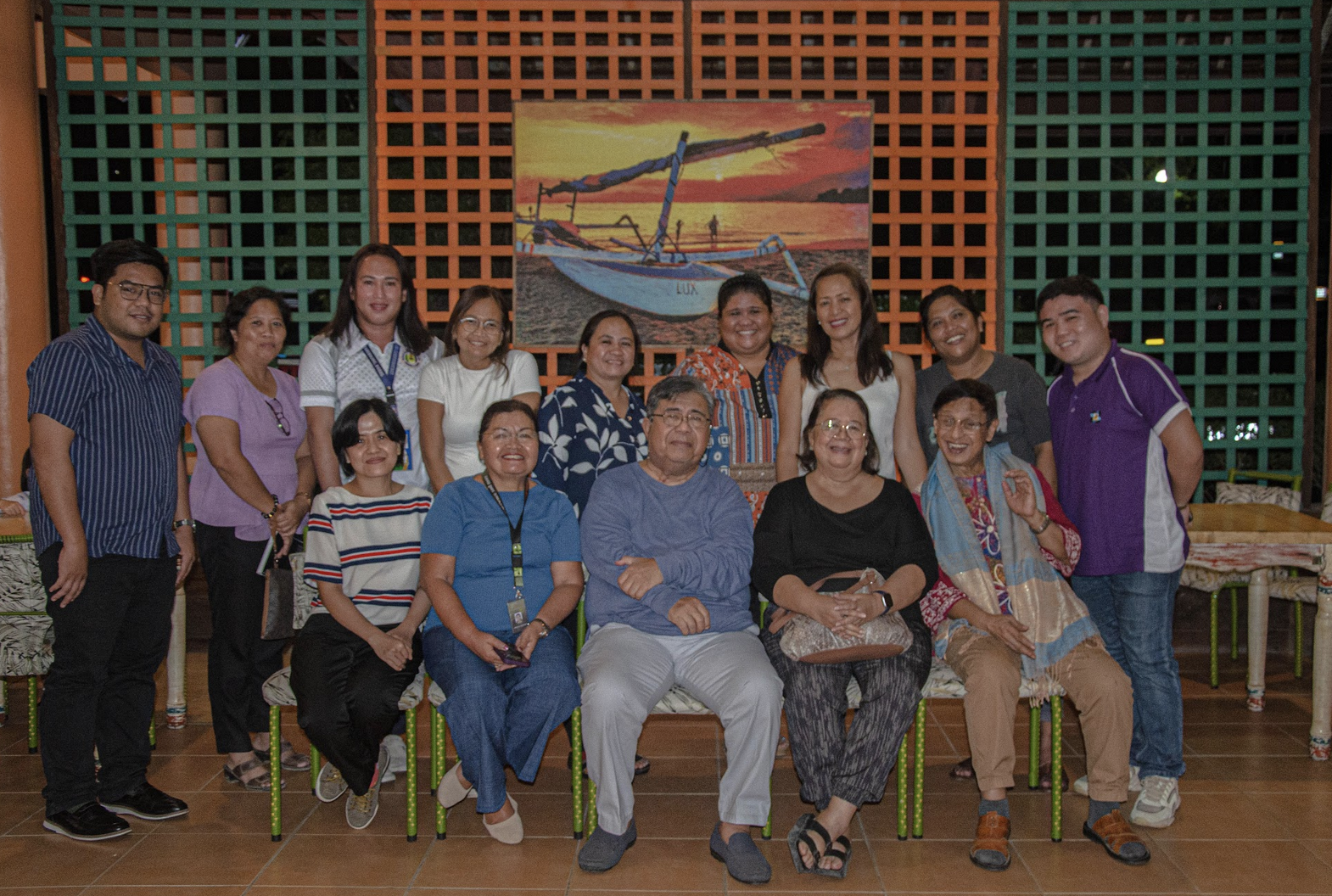
The initiative’s latest activities included a series of workshops. On August 22, 2024, stakeholders gathered at the PROCESS Conference Center in Tagbilaran City to reflect on the successes and lessons from the earlier phases of BOKAG (BOKAG 1, 2, and 3), which ran from 2015 to 2019. This evaluation included insights from community leaders, artists, and audiences, helping shape a roadmap for the next three years.

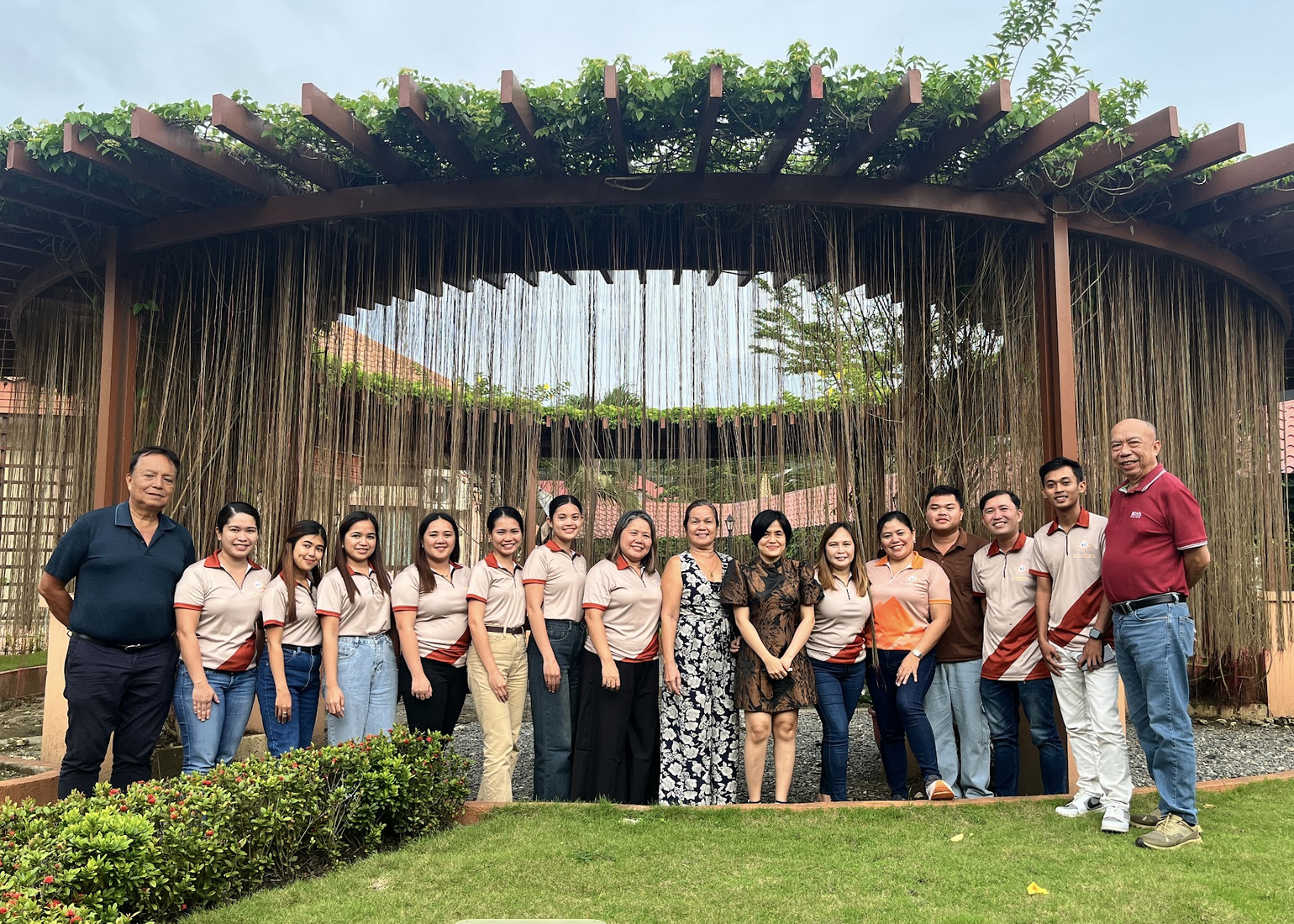
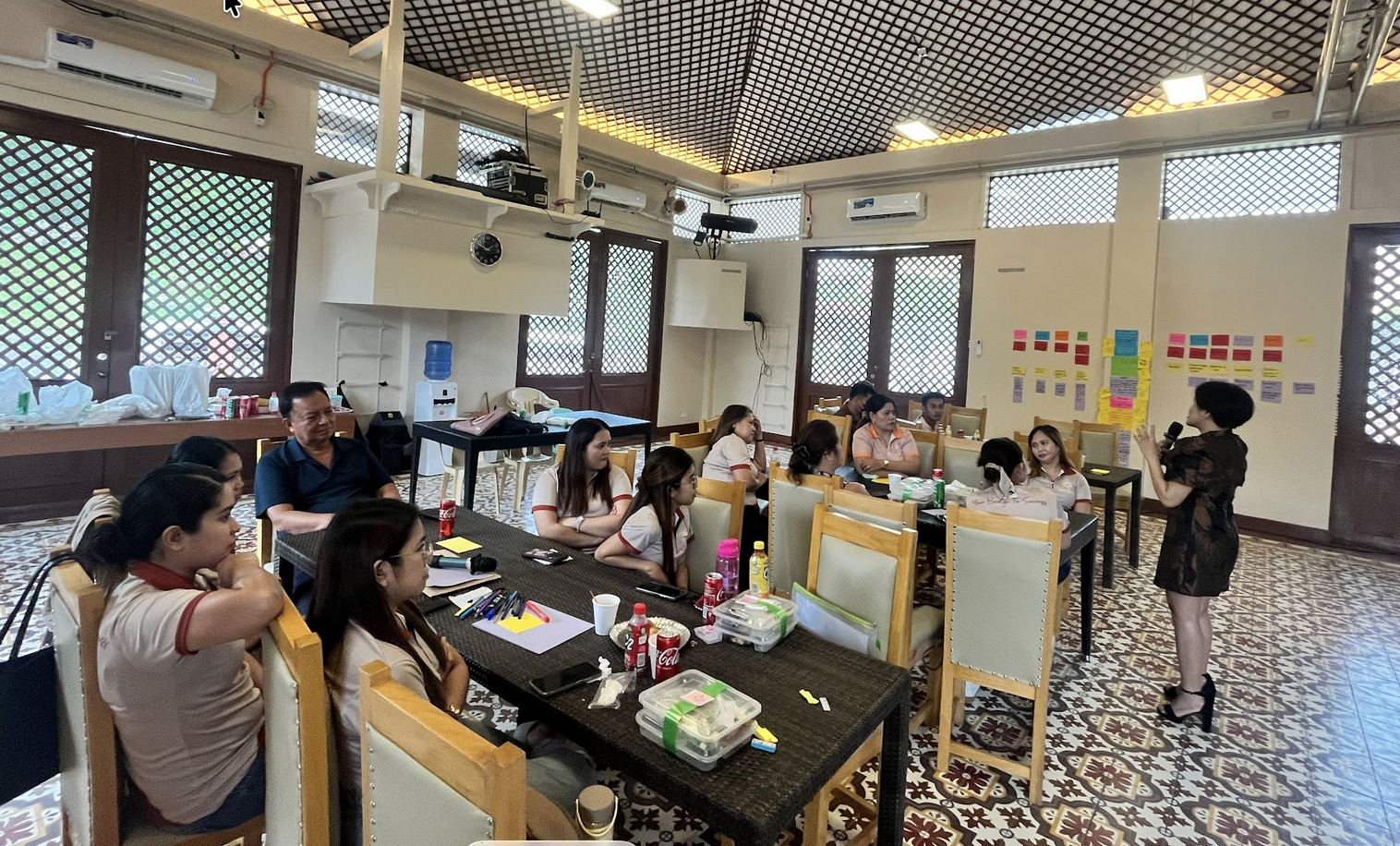
Building on this momentum, a two-day strategic planning session followed on November 11–12, 2024, at the scenic Buzzz of Bohol Bee Farm in Cortes. Participants—ranging from local councils to NGO representatives—collaboratively defined the project’s vision, mission, and core values. Discussions centered on the theater’s long-term sustainability, strategies to empower local communities, and the Abatan River’s role in showcasing Bohol’s cultural richness.

A Catalyst for Heritage and Progress

The Balik BOKAG project underscores the critical role of arts and culture in community development. By nurturing local talent and preserving the Boholano heritage, the initiative builds cultural pride and fosters economic resilience.

“Through initiatives like Balik BOKAG, we reaffirm the power of arts and culture to transform communities, creating opportunities for sustainable growth while celebrating our shared heritage,” said a representative from the ARDMC.

With momentum building, Balik BOKAG is poised to leave a lasting legacy—bringing the arts closer to the heart of Boholano life and ensuring that the creative spirit of the Abatan River continues to flow for generations to come.

Step Up Completes Alburquerque Creative Village Feasibility Study

With the Provincial Government’s aim to help re-open Bohol’s tourism economy by developing new attractions, enhancing existing circuits and reporting re-branding efforts, including capturing the faith-based tourism and MICE markets, an establishment of a creative village in the town of Alburqurque was investigated by the Bohol Investment Promotion Center. Step Up consulting services was contracted to undertake the feasibility research. The study was conducted from November 2023 to September 2024.

The study focused on the feasibility of establishing a Creative Village in the Municipality of Alburquerque in Bohol, particularly determining strategies for its viability and sustainability. The feasibility aimed to cover five key aspects – social preparations, market, business models, and integrated value chain of the identified key industries.

The town of Alburquerque is a rich microcosm of local heritage, culture and faith-based traditions showcasing the community life of the Boholanos.  These are evident in crafts, foods, music, and the presence of a culturally important national property – the Sta. Monica Church.  The Sta. Monica Church is one of the major cultural destinations for tourists and visitors who appreciate its historical and cultural value.

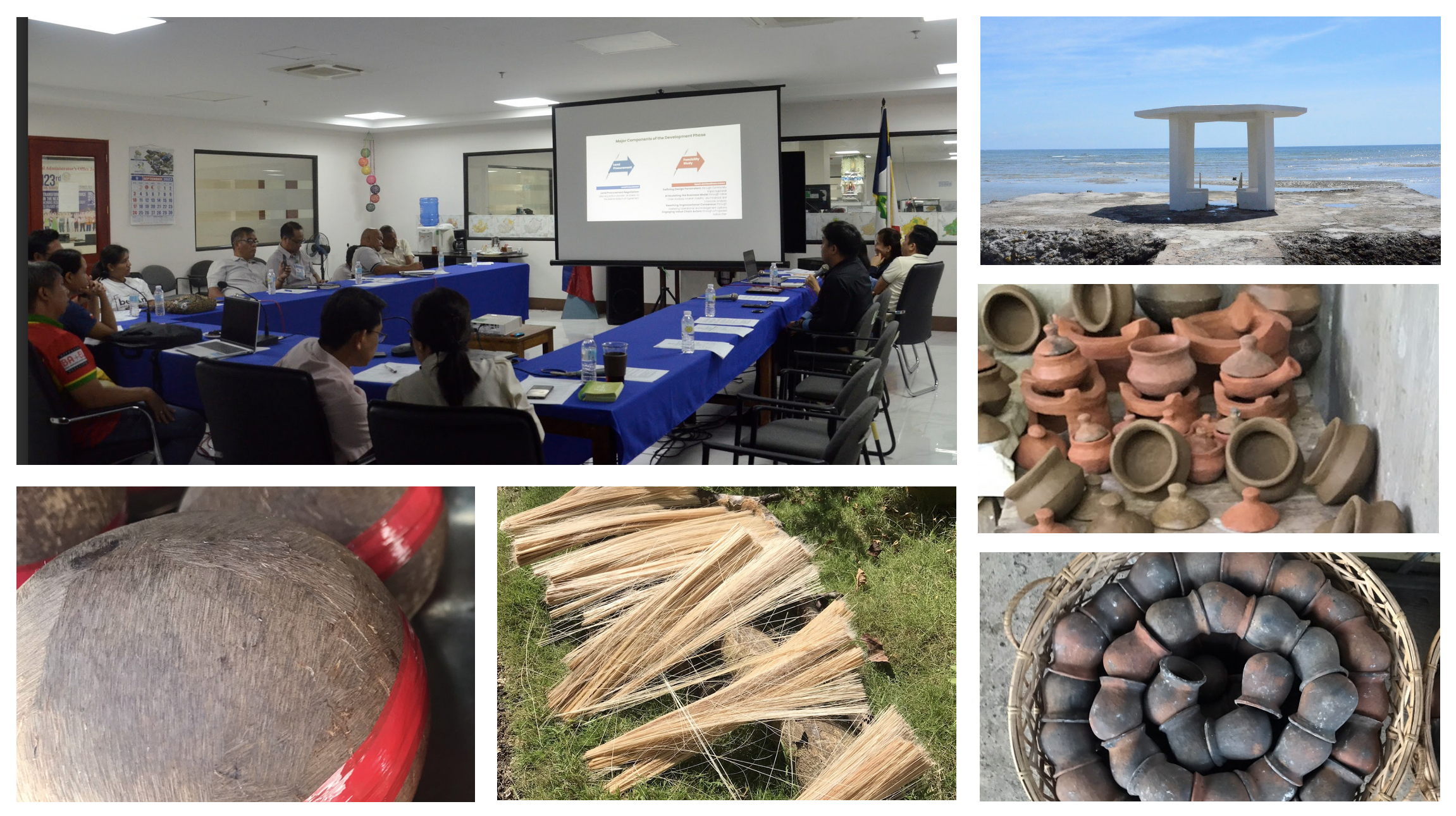
The project, Alburquerque Creative Village, is basically envisioned to provide a platform where local villages will be set up to showcase the crafts, cuisine, and others, particularly those that have been practiced in the locality. Highlights of the craft villages will be centuries-old crafts and food including raffia loom weaving, pottery/ceramics, a sweet delicacy called calamay, sculpted religious arts, utility and decorative baskets, traditional brooms, local salt called asin tibook (sea salt molded in clay pots. The music rendered by their traditional ensemble will also be revived. Model farms will also be set up showcasing local produce such as ubi kinampay (purple yam), vegetables, cut flowers etc.

In the design, the creative village will be constructed in a 2-hectare property located in East and West Poblacion Albur.  The site shall be procured by the Provincial Government of Bohol with technical assistance from the Municipal Government of Albur, while the management will be lodged at the Bohol Local Economic Development and Promotion Center.

The establishment of the creative village aims to also Provide a platform to showcase Bohol’s unique identity through local artisans, craftsmen and women who will highlight their skills and expertise in the field of ethnic arts and food and will make available these products through the craft village concept where this will serve as a one-stop shop venue for people and tourists to appreciate and experience these traditions, cultural practices and artisanal products;

Kasing Sining Appreciates Step Up’s Support for its First Strategic Planning Workshop

“Kasing Sining is an impassioned and organically cultivated community theater collective, deeply rooted in a shared love for Bohol and the arts. Founded in 2013 under the visionary leadership of Lutgardo Luza Labad, this diverse ensemble is a tapestry of talents including actors, dancers, singers, educators, and other creative professionals, all united by a profound commitment to showcase and celebrate the rich tapestry of Boholano creativity. Drawing its name from the fusion of “kasingkasing,” the Visayan word for heart, and “sining,” the Tagalog term for art, Kasing Sining embodies “Art with a Heart,” a profound belief in artistic expression that serves a purpose beyond itself.”

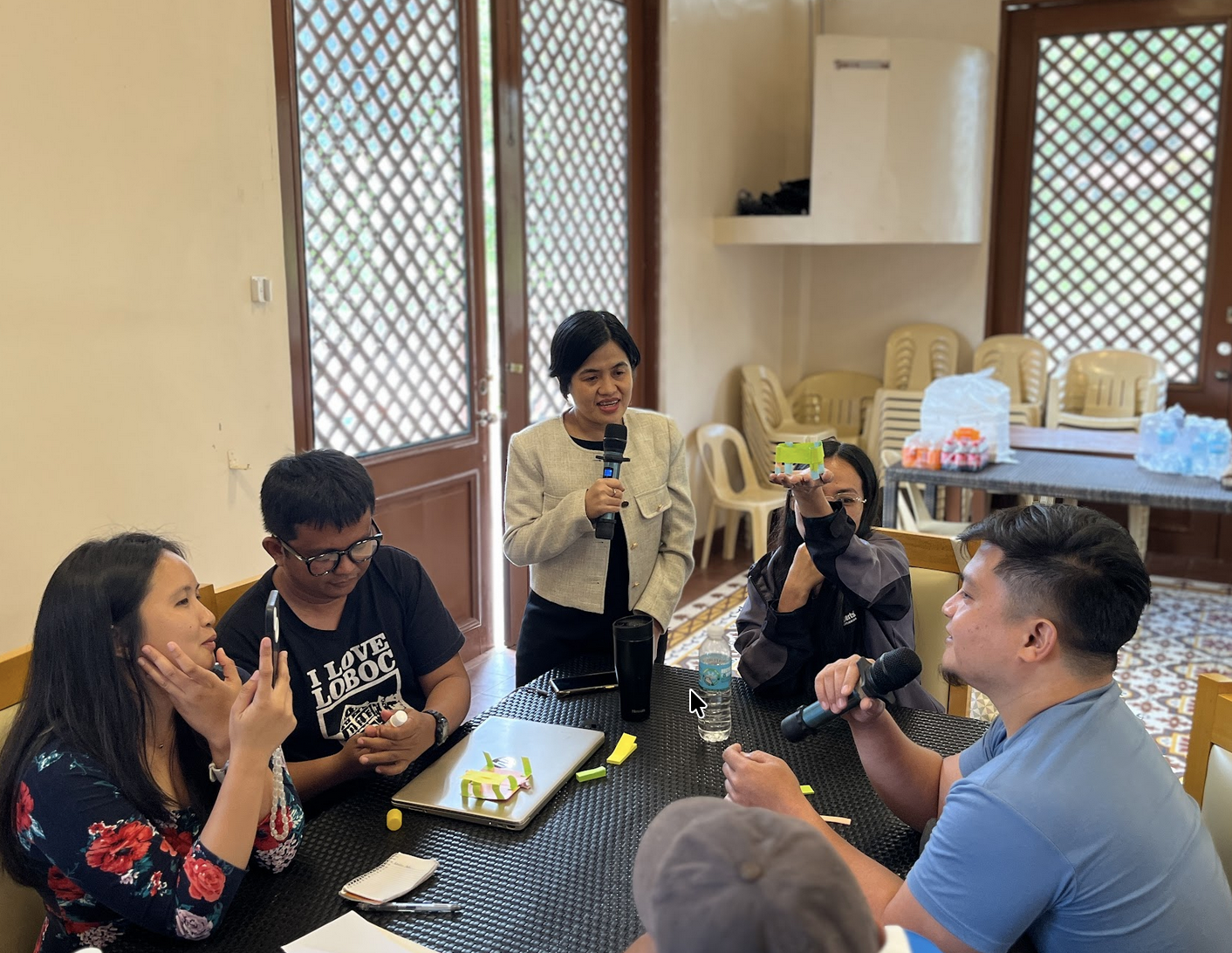
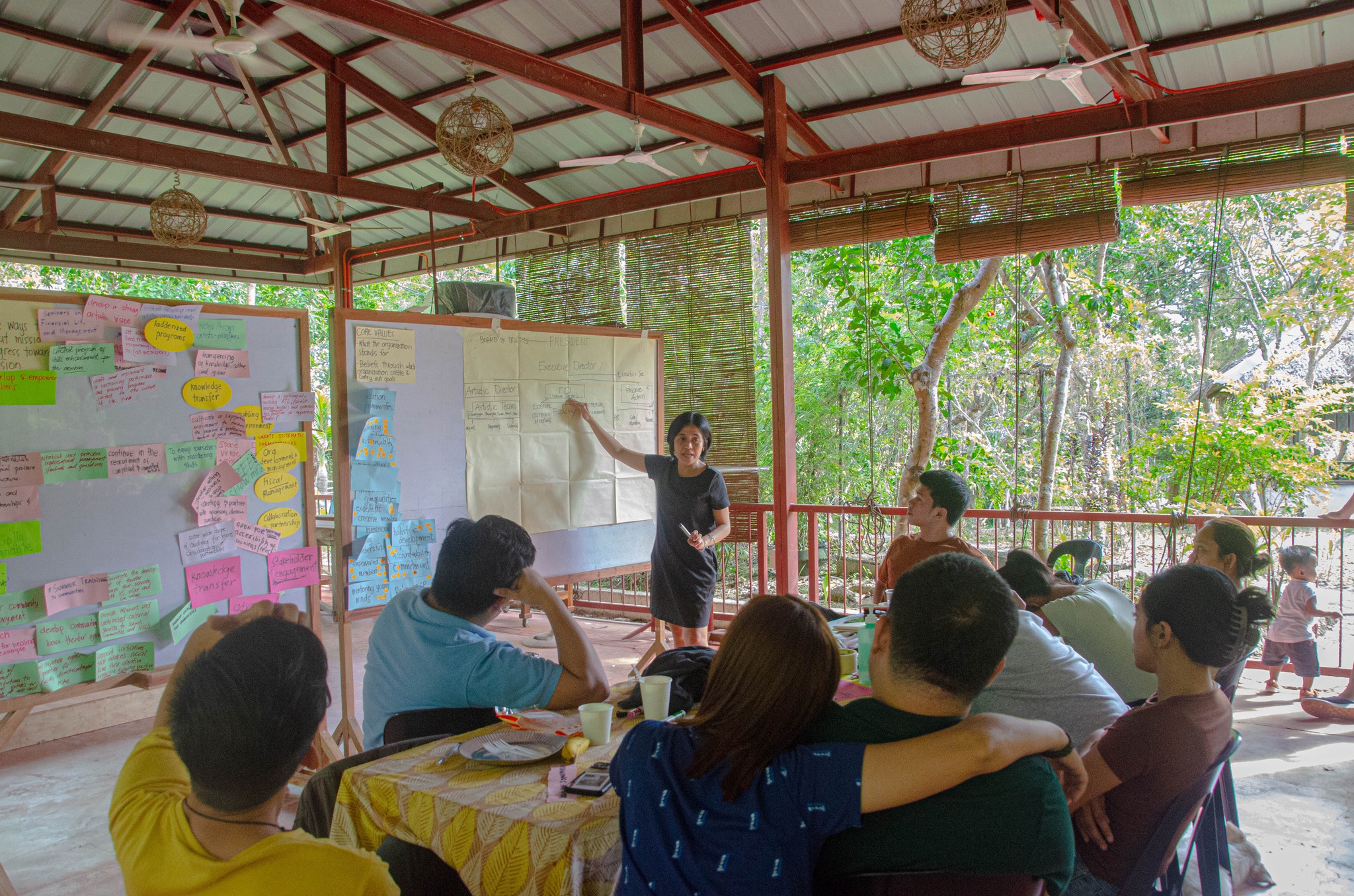
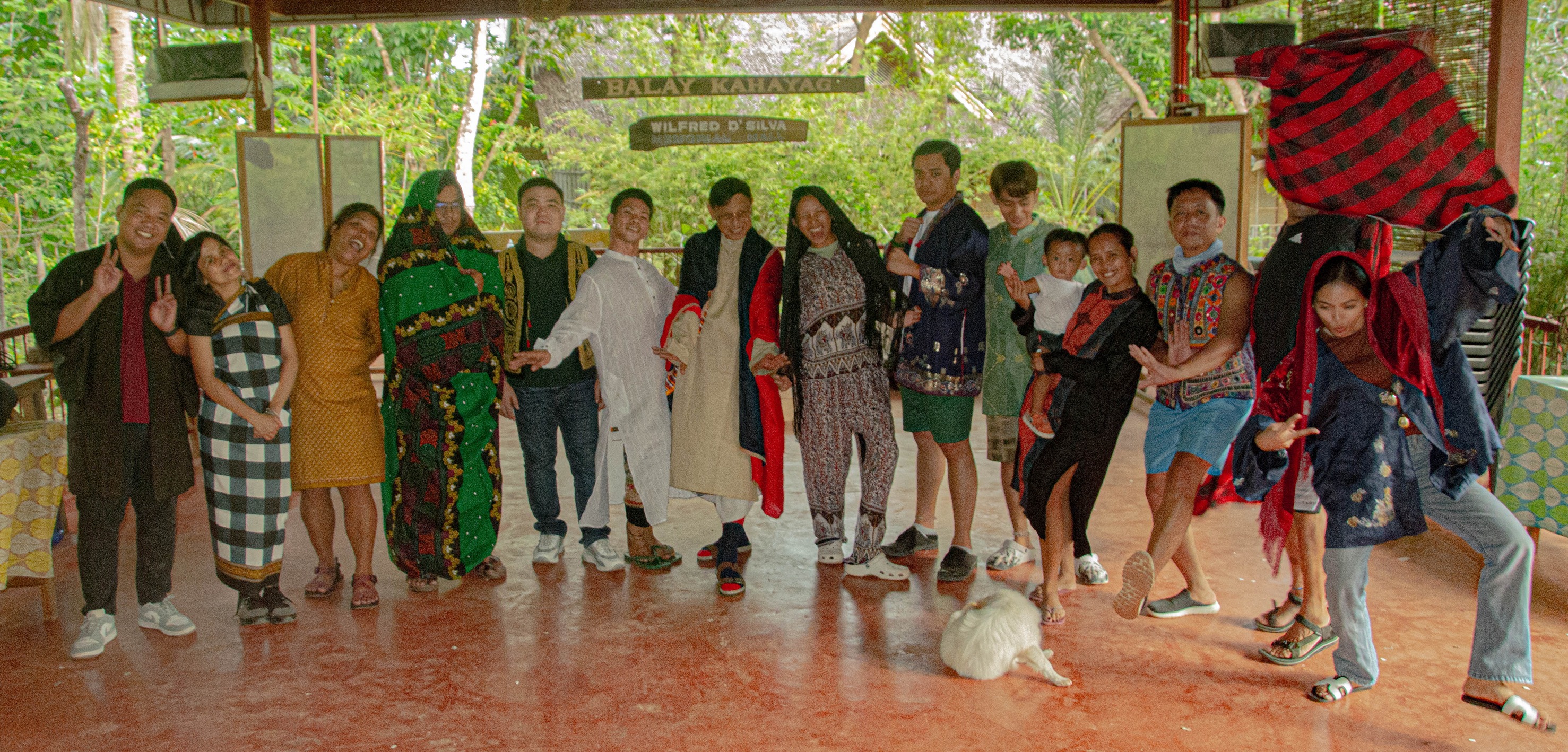
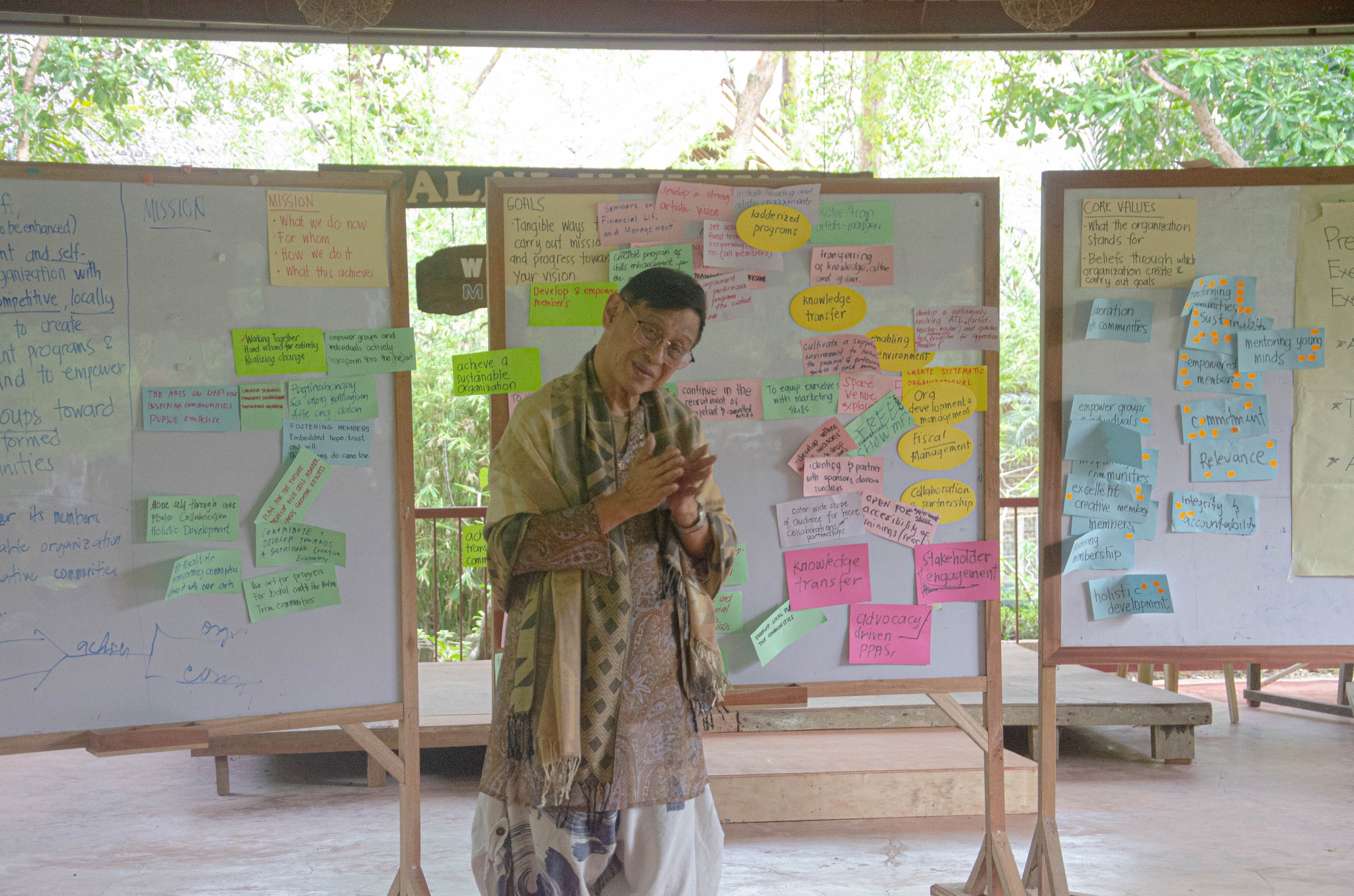
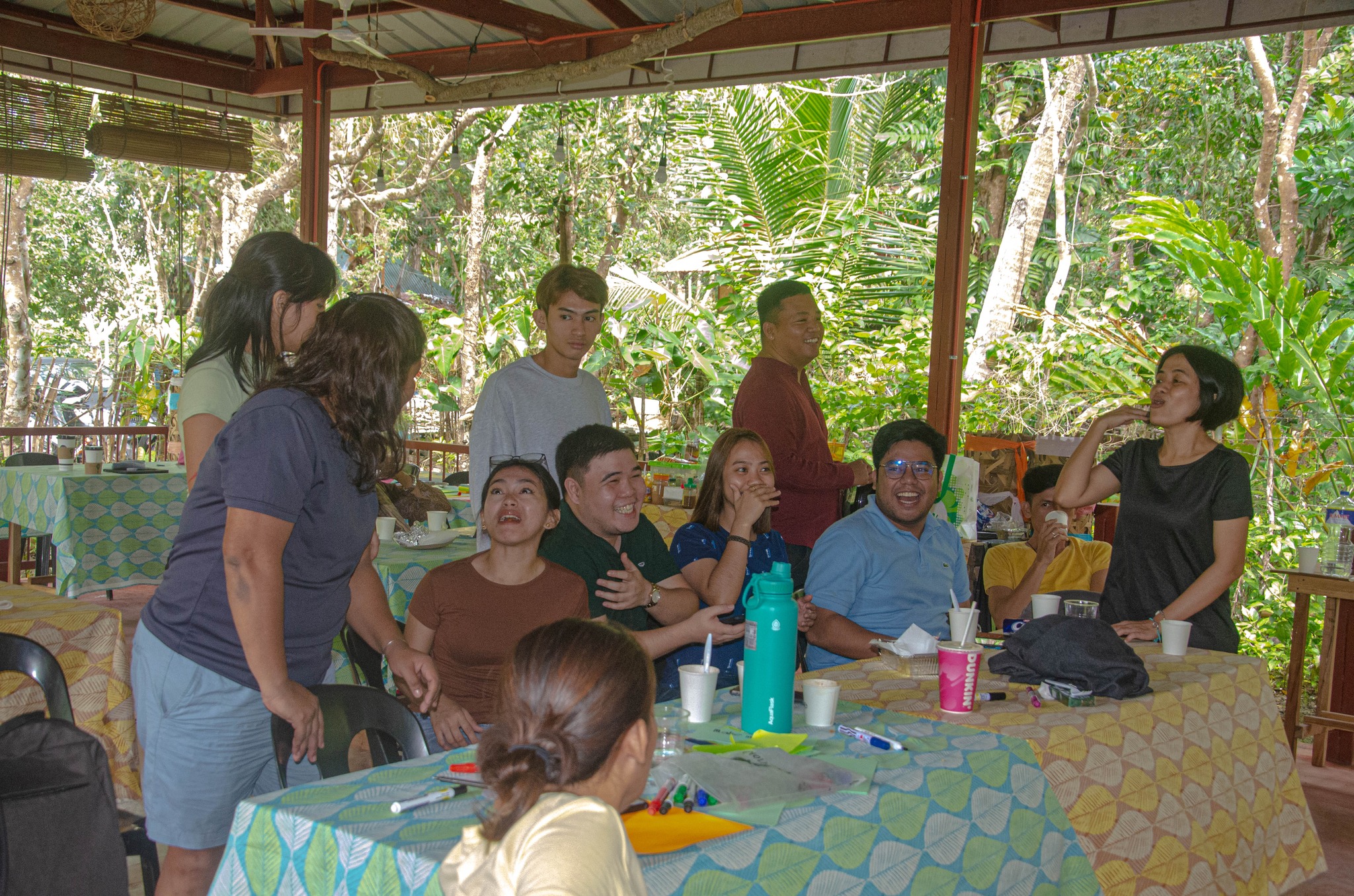
For the first time since its founding, Kasing Sining held its first Strategic Planning Workshop to formally define its collective identity and vision, identify strategic directions, and structure its organisational systems and processes. Jean Celeste Paredes, along with Mary Therese Pepito and Russel Guatno, journeyed with Kasing Sining as facilitators.

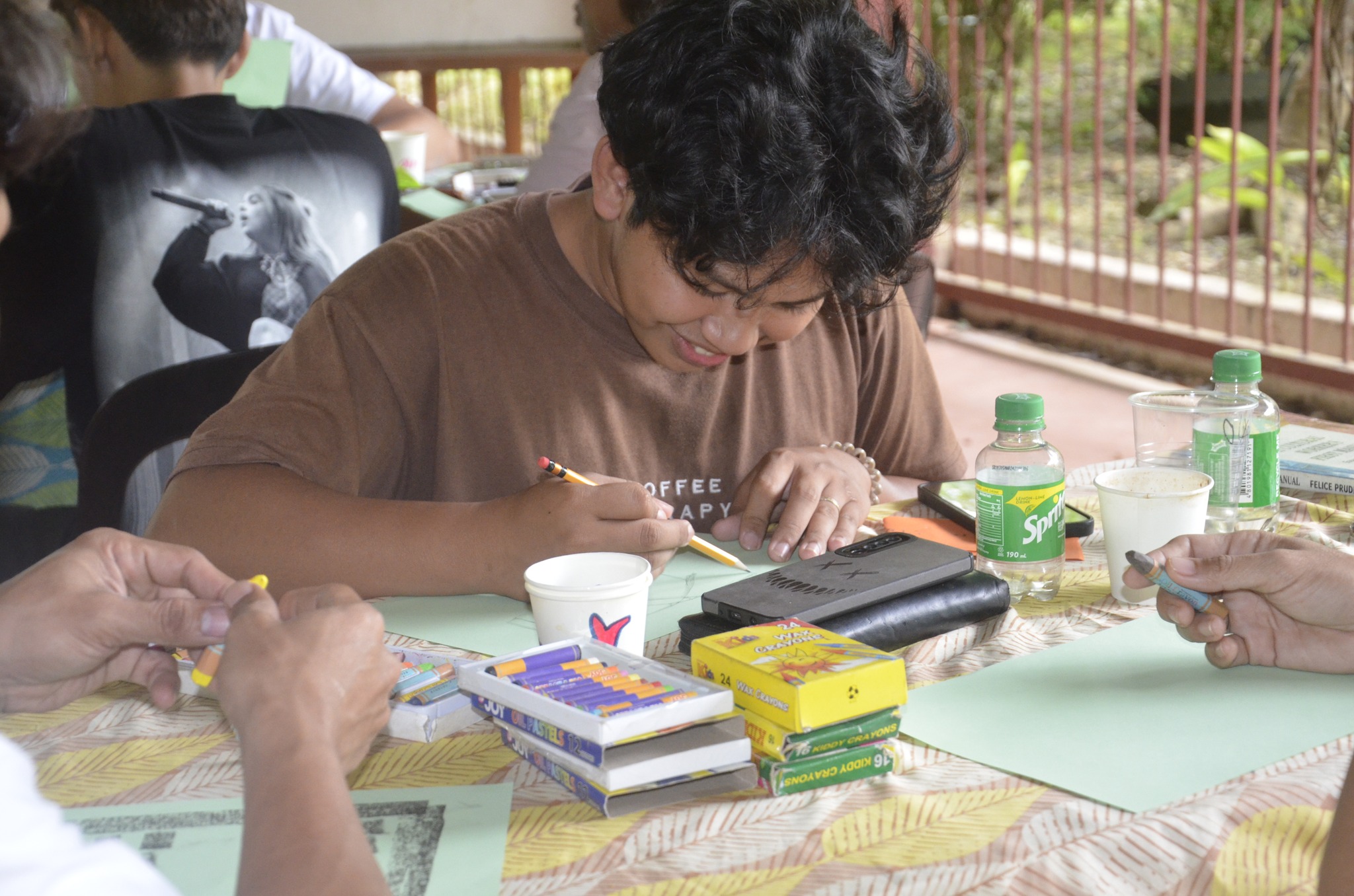
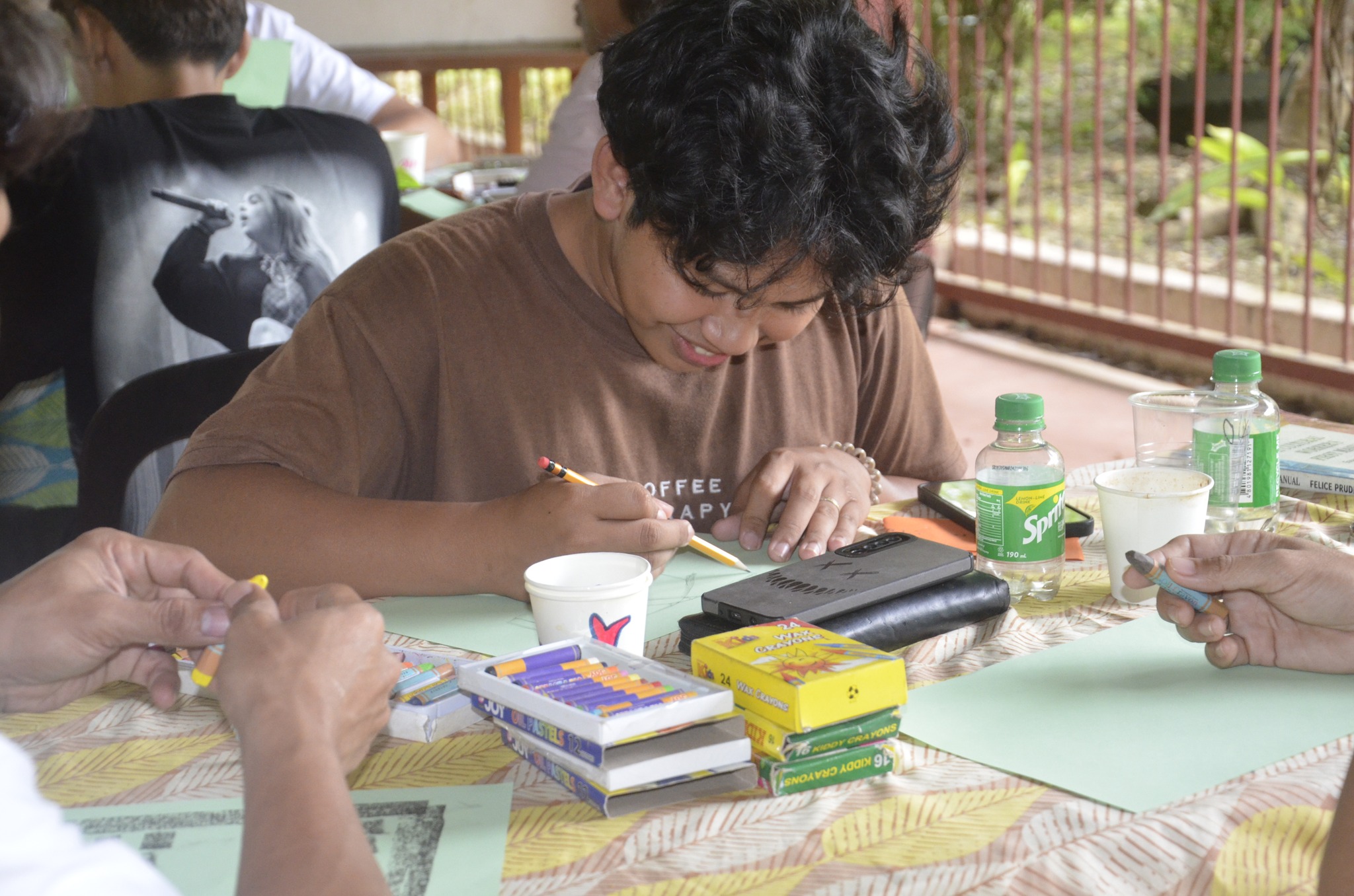
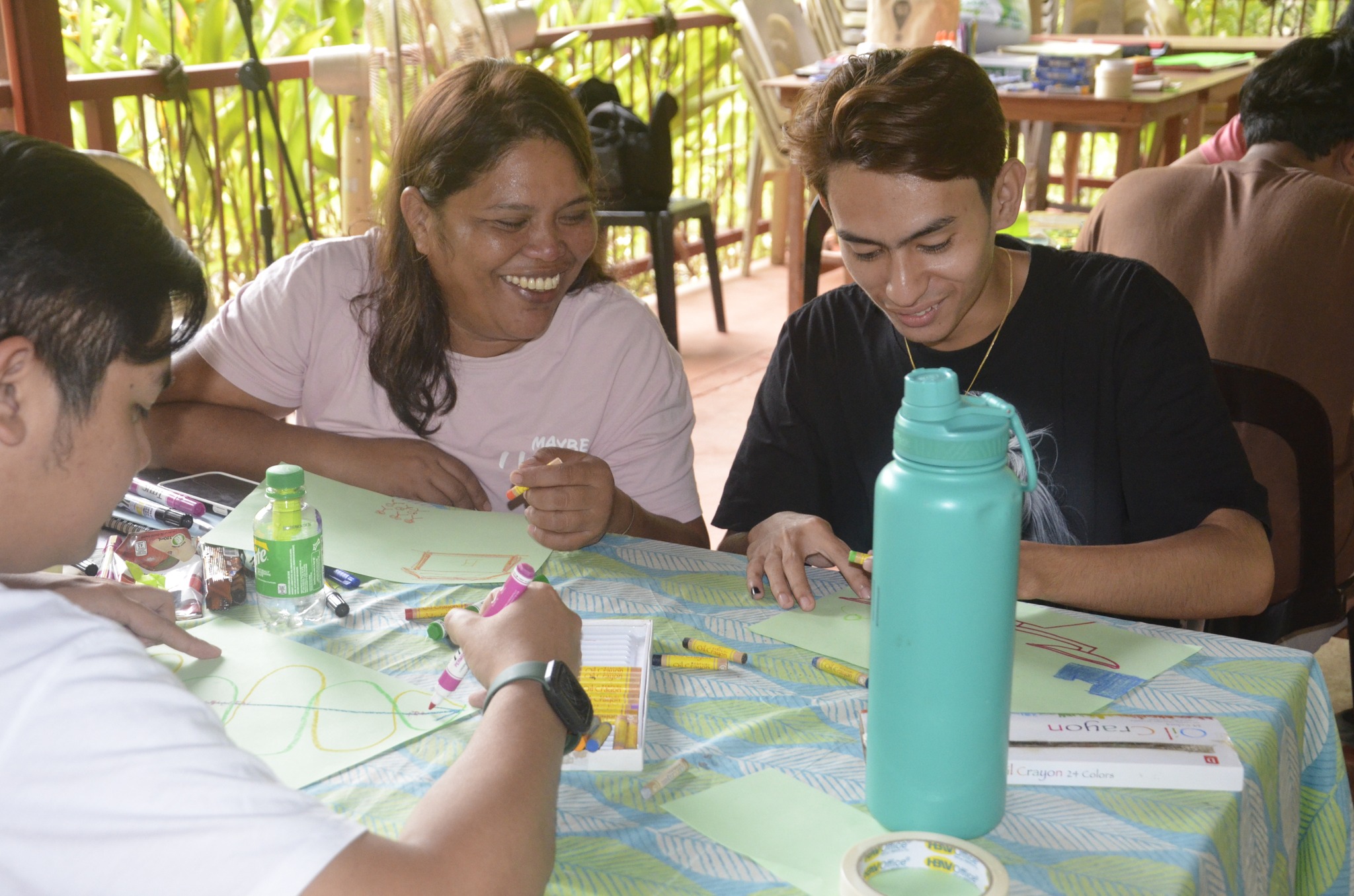
Through a series of structure learning exercises, workshops, creative imagery activities, Kasing Sining was able to assemble its strategic plan and corresponding operational plans to support its long-term directions.

Kasing Sining founder Gardy Labad expressed her appreciation to the Step Up team for skillfully managing a group of artists and rallying them to the finish line – completing the output. The workshop was conducted on 27-28 January 2024 at the Balay Kahayag in Baclayon, Bohol. 

Step Up Team Completes the Economic and Financial Analysis for IFAD’s Project ConVERGE in Mindanao Regions

Step Up team conducted the Economic and Financial Analysis (EFA) for the International Fund for Agricultural Development (IFAD) Project Completion Report (PCR), complying with the guidelines and procedures of the National Economic Development Authority.

In the 6-month engagement, the team actively facilitated stakeholders’ workshops across three regions – Region IX, X and XII in Mindanao, conducted actual site visits to 11 ARC communities to document project highlights, and conducted one-on-one sessions with the local teams, customizing each analysis per identified crop and collaborating with stakeholders to validate findings, fostering inclusive participation and consensus-building.  Results presented include financial internal rate of return, economic internal rate of return, net present value, and benefit-cost ratio for the 14 enterprises at the project level. A sensitivity analysis was also done at the project level.

The team is composed of Jean Celeste “Hedz” Paredes as research lead, Engr. Mark Russell Guatno as the data specialist, and Mary Therese “Tet” Pepito as the data validation expert. Team members actively contributed to facilitating stakeholders’ workshops across the three regions. These workshops involved consolidating and validating needed data and information, collaborating with stakeholders to validate the findings, ensuring robust and inclusive discussions, and presenting the EFA results to stakeholders and the IFAD mission team.

The Project ConVERGE is executed by the Department of Agrarian Reform (DAR) to support the Philippine Government’s poverty reduction efforts in 11 Agrarian Reform Community (ARC) clusters located in 10 provinces of Regions IX, X, and XIII.  The project was designed to promote sustainable livelihoods for 300,000 farmers producing rice, corn, rubber, coffee, abaca, coconut, cassava and muscovado/coco sugar. The project’s targeted beneficiaries were expected to include agrarian reform beneficiaries (ARBs, 40 000 farmers) and 260,000 other rural workers.  CONVERGE comprised of three components: (i) participatory value-chain analysis and planning to link smallholder farmers to existing value-chain systems; (ii) integrated smallholders agricultural and rural enterprise development; and (iii) subdivision of collective certificates of landownership award (CLOA) to facilitate the transfer of land.

Step Up Produces Coffee Table Book for Ofamen Cacao Farm

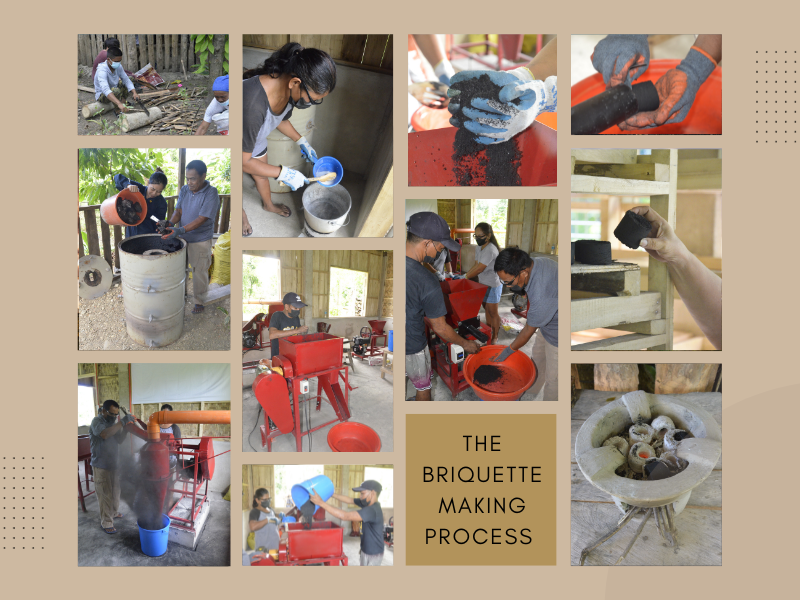
Step Up assists Ofamen Cacao Farm in documenting its experiences through the production of a coffee table book. The book entitled “Hulma” tells the story of how the briquette production initiative forged a promising environment-friendly community social enterprise in Barangay Calunasan, Calape Bohol.  The coffee table book features the story of how the local farm was able to innovate by utilising agricultural wastes in making briquettes, an alternative to lump charcoal, a win-win solution not only for the environment but also for augmenting the income of families in their barangay.

Ofamen Cacao Farm was granted 1.4 million in funding, which was used to invest in briquette technology and capacitate local families in their community to become agri-entrepreneurs. 

Ms. Joyce Pulchra Ofamen, a social entrepreneur, is also a recipient of the WHWise: iBLEnDNICE 4WomEn, which aims to establish a more cohesive and inclusive social innovation ecosystem through capacitating women entrepreneurs in the Philippines.

Step Up Conducts Community Based-Enterprise Training and Mentoring Sessions for Ofamen Cacao Farm

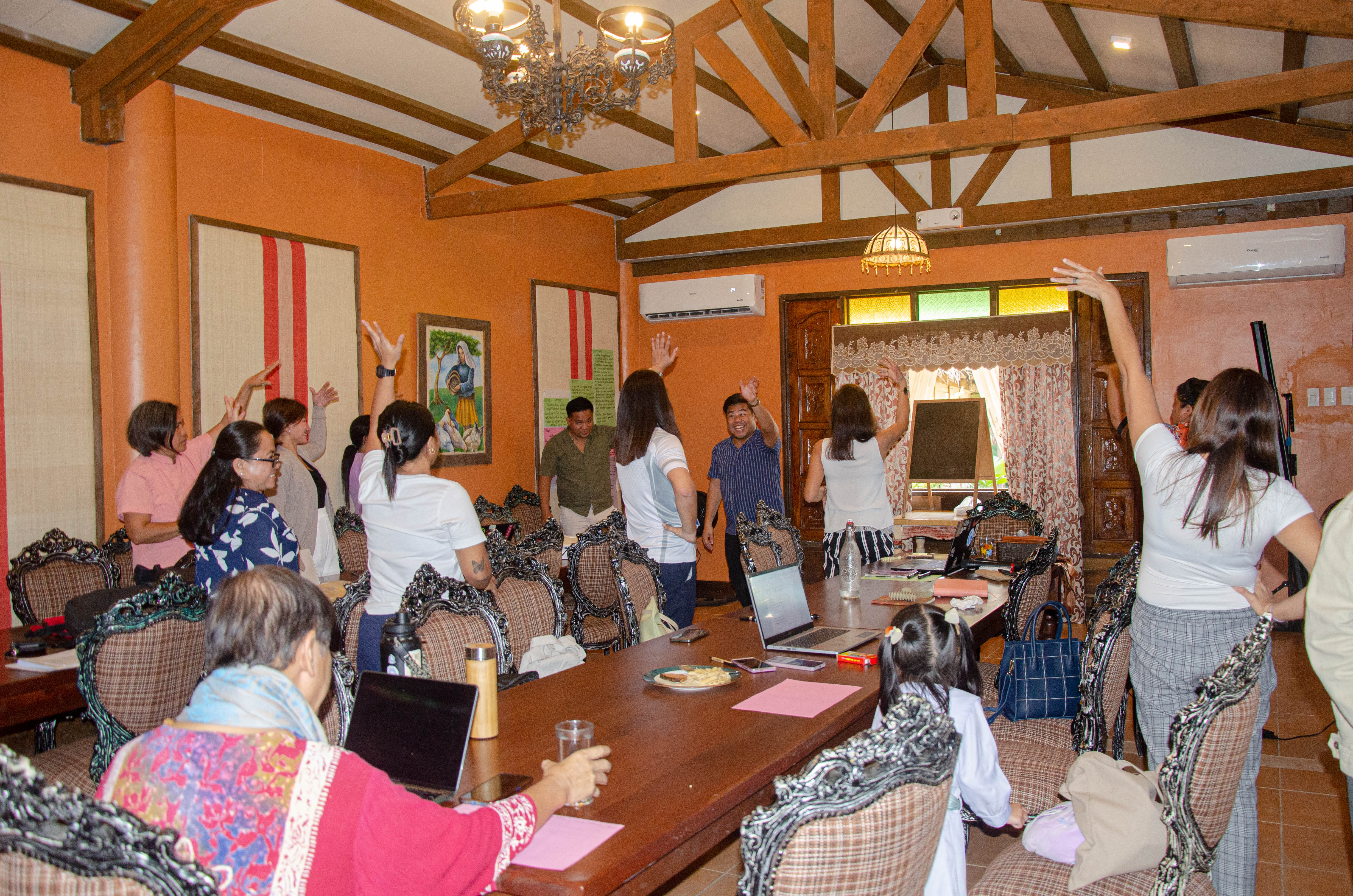
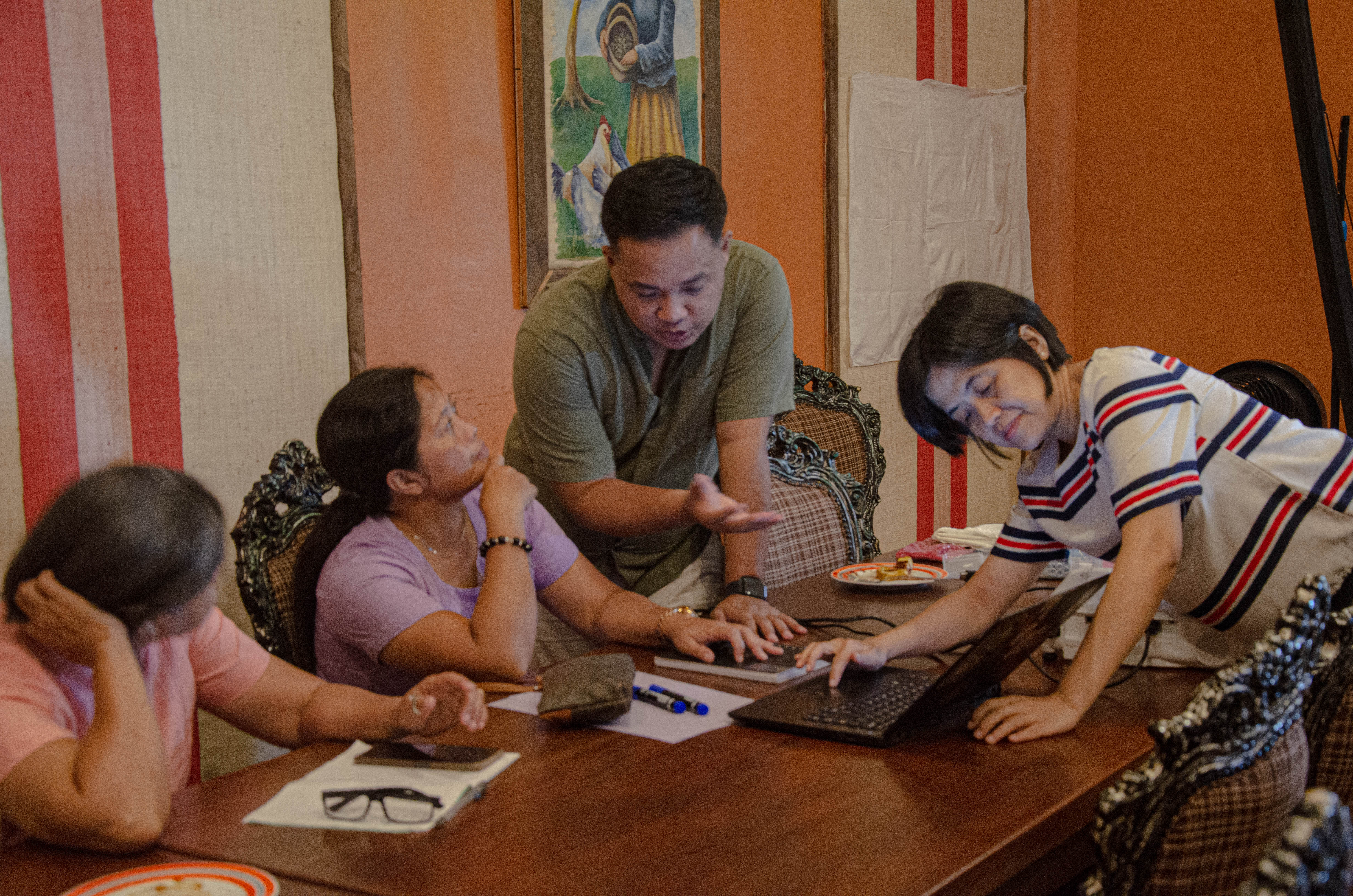
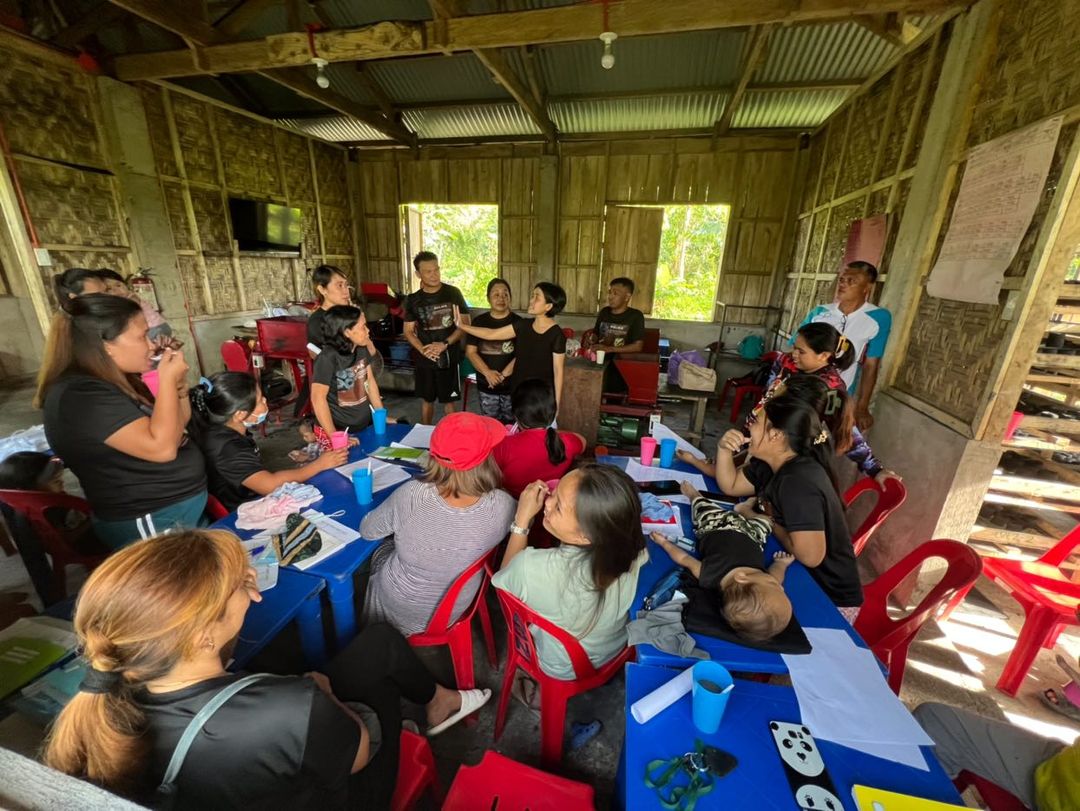
Step Up Consulting Services conducted a series of workshops to capacitate the men and women of Calunasan, Calape Bohol who are involved in making charcoal briquettes.

Through the grant provided by the farm which the family through its CEO Ms Joy Pulchra Ofamen-Sarabia, the briquette processing equipment and machinery are shared with 40 families who are now engaged in briquette making using cacao pods and other farm organic wastes that could otherwise end up polluting the environment. The briquettes provide access to alternative and cheaper form of energy over wood, burns cleaner firewood and release fewer greenhouse gases.

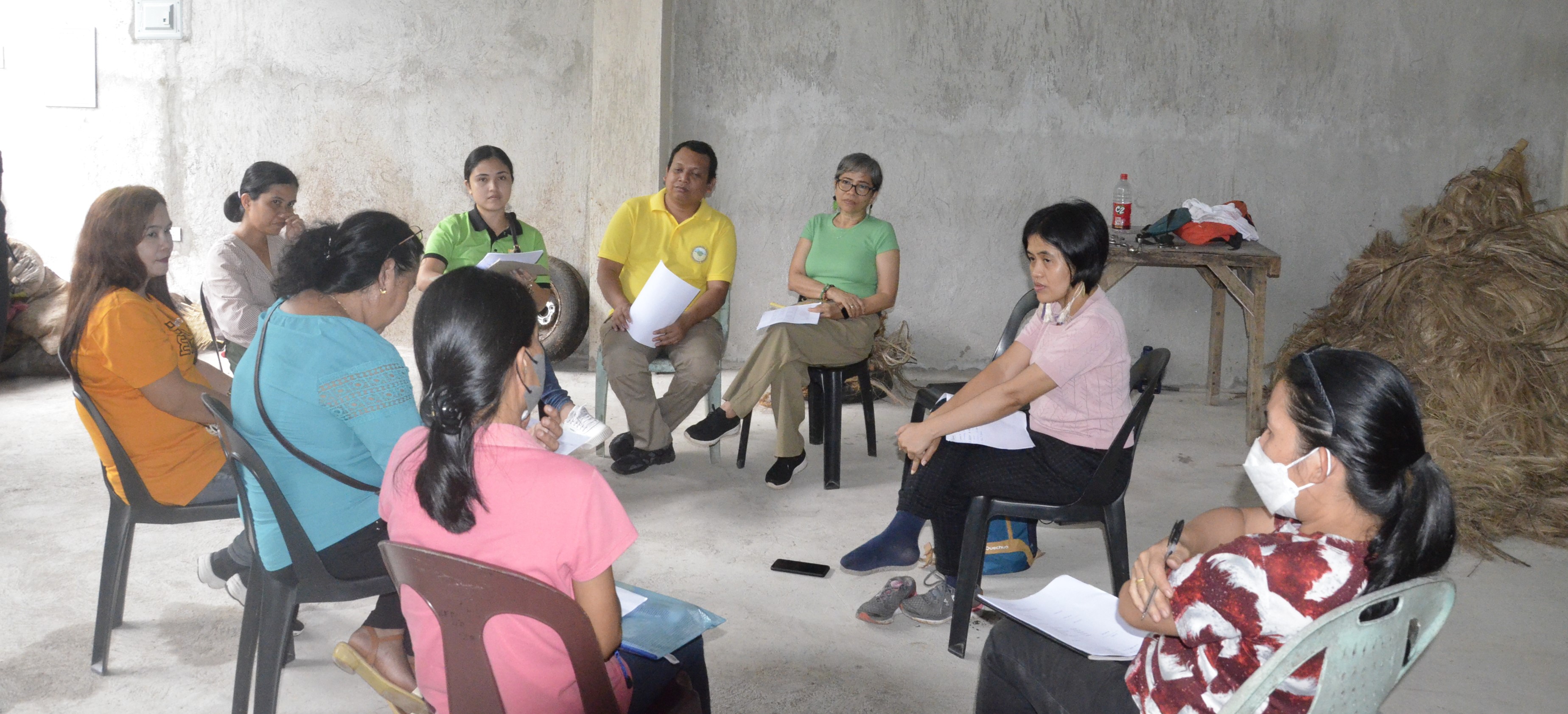
The team conducted a series of training workshops on business development, costing and pricing, workflow management system, enterprise models, and marketing to make their briquette products commercially viable and sustainable. These workshops were held beginning November 2022 and will continue towards the first quarter of the next year.

The Ofamen Cacao Farm in Calunasan, Calape, Bohol is a recipient of the WHWise: i B L E n D N I C E 4WomEn*, a program launched by the Department of Science and Technology- Philippine Council for Industry, Energy and Emerging Technology Research and Development l in partnership with Mindanao State University – Iligan Institute of Technology (MSU-IIT). MSU IIT is the program’s main implementer in collaboration with Miriam College (MC) and the University of the Philippines – Mindanao (UP-Min).


*WHWise: i B L E n D N I C E 4WomEn (innovation thru Building and Leveraging Entrepreneurship Development, Networking and Inclusive Community Engagement for Women Entrepreneurs) or Women-Helping-Women: Innovating Social Enterprises, is a program that brings together government agencies and private organizations to seek out and prepare women-led social enterprises for growth, scalability, and subsequent Venture Capitalist funding. The program provides a suite of services, including early-stage funding, training, skills development, mentorship, and business incubation. More importantly, it will provide access to technology to enable even women from rural communities to be part of the global economy.

Step Up Consulting Trains DTI- Assisted Coops

Step Up Consulting was contracted by the Bohol provincial office of the Department of Trade and Industry (DTI) to conduct organizational management trainings to at least 10 cooperatives assisted by the agency the Integrated Natural Resources and Environmental Management Project (INREMP).

INREMP is a joint project of the Philippine Government and Asian Development Bank (ADB). The ultimate goal of the project is to address unsustainable watershed management issues affecting the Wahig-Inabanga Upper River Basin, and at the same time support poverty reduction in the communities.

The trainings were conducted to a limited set of participants, given current regulations issued by the Bohol Inter-Agency Task Force in the management of Emerging Infectious Diseases (BIATF) and was held in 21-24 October, with another session conducted two weeks after. The topics discussed were on leadership, effective communications and business management. All trainings were held at JJs Seafood Village, Tagbilaran City.

Two months prior, Step Up Consulting was also the one contracted by DTI

Step Up Journeys with CCT Group of Ministries in Planning for the New Normal

Step Up Consulting will accompany the CCT Group of Ministries in their planning journey for 2021-2025, adjusting their ways of working to the changing realities brought about by the pandemic and other factors impacting on individuals, families, and communities. The planning process will commence in July with 30 online workshops planned for the local area offices of CCT across the country that will run until October this year.

The Center for Community Transformation Group of Ministries (CCT) is committed to creating lasting wholistic change among the poor. Founded in 1991, CCT has implemented programs and projects directed towards change individual lives, strengthening families, empowering communities and helping transform the nation. 

The CCT GROUP is composed of 16 ministry cooperatives and non-government organizations, each with its own Board of Trustees/Directors, management and staff.  The ministries serve specific poverty groups:  street families, children, youth, micro-entrepreneurs, landless and small-scale farmers, fisherfolk, factory workers, informal workers, tribespeople and the communities-at-large.

Since the beginning of the pandemic, Step Up has been conducting online workshops, consultations, as well as training for different clients globally. However, this is one of the longest online journey commitment that Step Up’s strategy advisor, Michael Canares, will lead this year, using different online tools to create a memorable and productive online workshop experience.

Mr. Canares has worked with the CCT Group of Ministries in the past, more particularly during the Board leadership retreat as well as with the Visions of Hope Christian School, one of CCT’s ministries. Ms. Ruth Callanta, CCT’s multi-awarded president, requested Mr. Canares to lead this process along with a team of committed experts from within CCT family.

Step Up Completes Regional Cultural Hub Feasibility Study

Step Up Consulting recently completed the feasibility study of establishing a regional cultural hub for the Visayas. The research seeks to determine the viability and sustainability of a permanent center and venue of productions and creative enterprises in the Central Visayas region.

The feasibility study focused on the five key aspects – market, technical, organizational, financial and socio-economic feasibility. Conducted in 2019, it involved different approaches: a combination of survey, focus group discussion or key informant interview, ocular inspection and site visits, and evaluation of documentary evidence.

The research team of Step Up is composed of Michael Canares, Jean Celeste Paredes and Mary Therese Pepito with the support of Marilou Sale. It was funded through a grant from the National Commission for Culture and the Arts managed by the Bohol Integrated Development Foundation.

Step Up Writes Labour Market Assessment for the Rakhine State

ILO reportMichael Canares, Strategy Advisor of Step Up Consulting was tasked by the International Labour Organization to write a consolidated report that looks into the opportunities and challenges of labour market development in the Rakhine State in Myanmar.  The report that Mr. Canares wrote, together with his team at Step Up was based on primary field work that was conducted by Synergia Consulting and Training and Myanmar Survey Research.

The report, entitled “Rakhine State Labour Market:  Assessing Assets, Projecting Demands, and Identifying Areas for Intervention” looked into current and projected demand for labour skills in the Rakhine state, quality and quantity of labour supply in the area, and potential areas for intervention to strenthen labour market quality and labour to industry matching processes.