Step Up Consulting Services Leads Impact Assessment of HNU Extension Programs in Tanday, Corella, Bohol

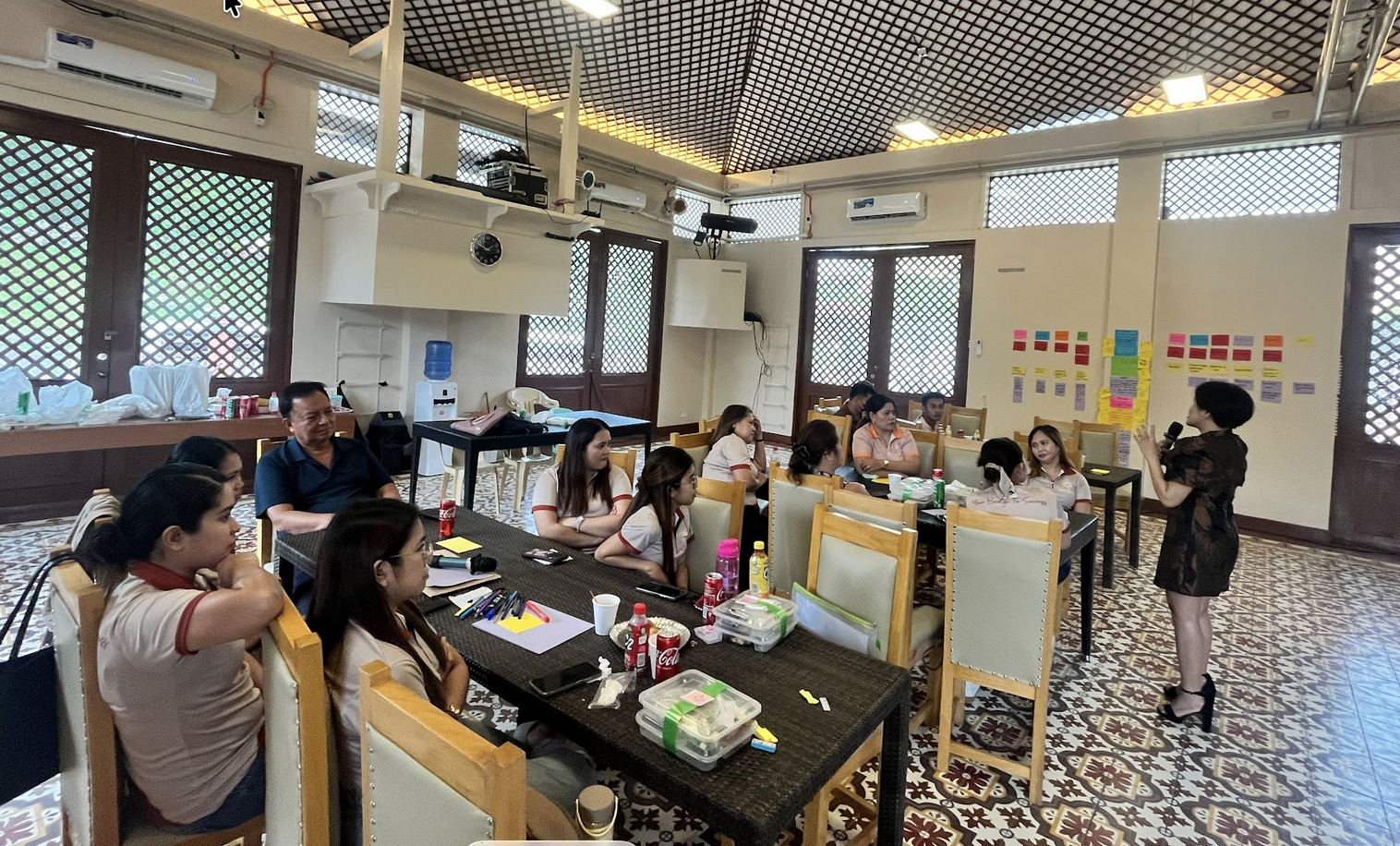
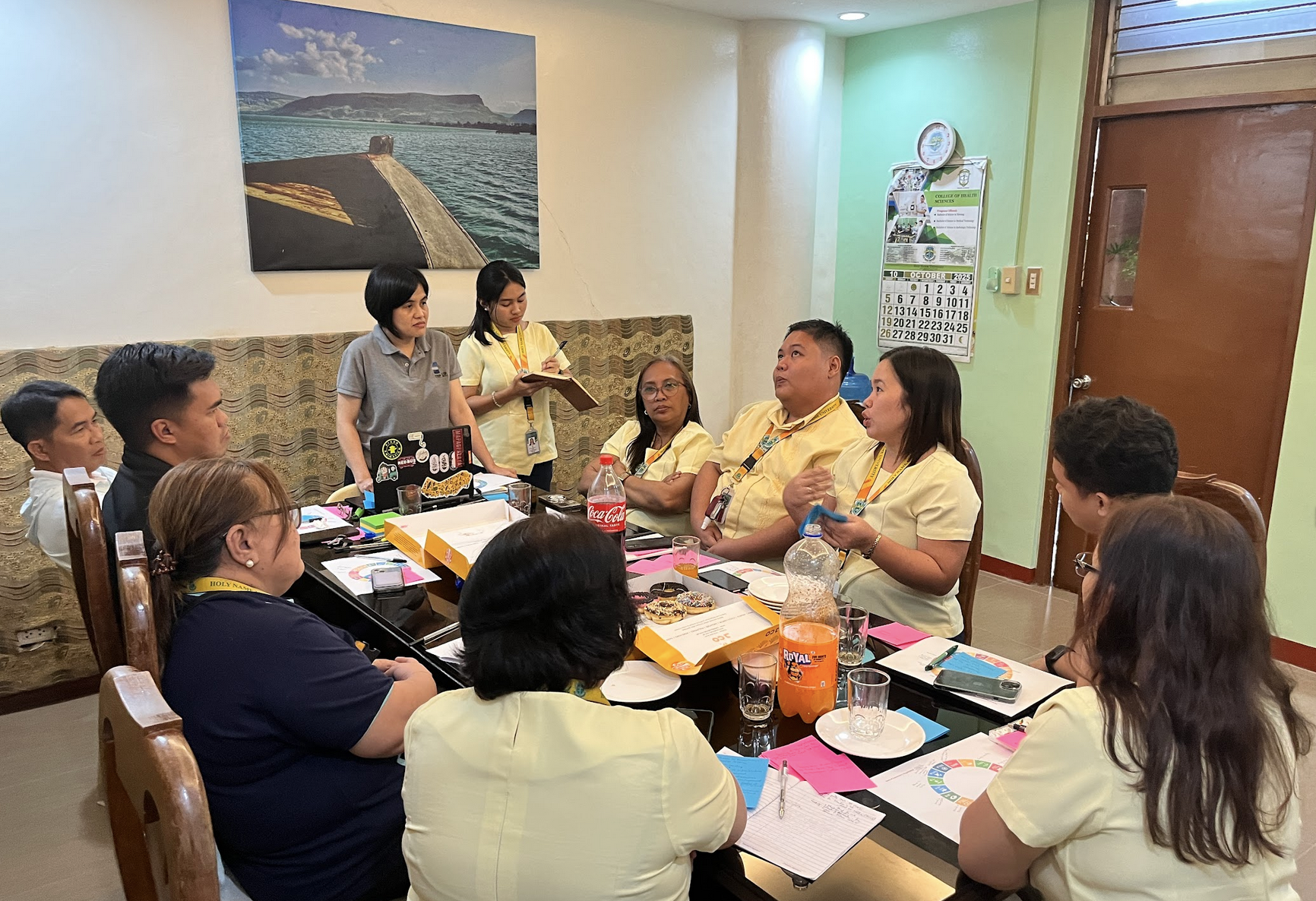
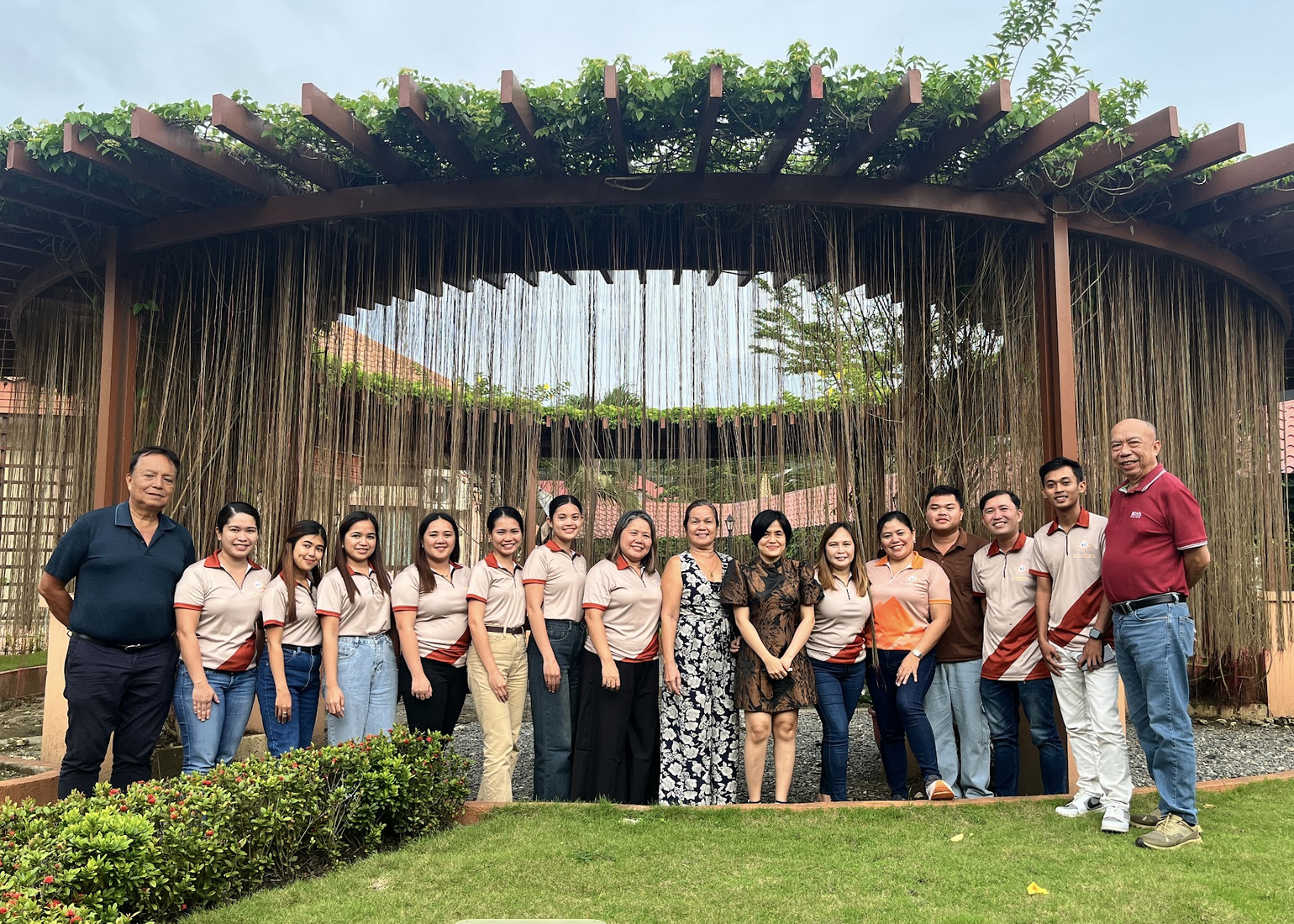
Holy Name University (HNU), through its Center for Community Extension, Linkages, and Partnerships (CELP) headed by Marijoe Narca, recently completed an impact assessment of its extension programs in Barangay Tanday, Corella, Bohol, with Step Up Consulting Services conducting the external evaluation.

The assessment reviewed HNU’s wide range of extension initiatives designed to promote holistic community development. These include leadership and skills development for barangay officials and health workers through the Tanday Pagsanay program; values and cultural formation through Christmas Outreach Activities; youth and women empowerment through Summer Camps and sports clinics; and integrated services provided through the annual One University Outreach.
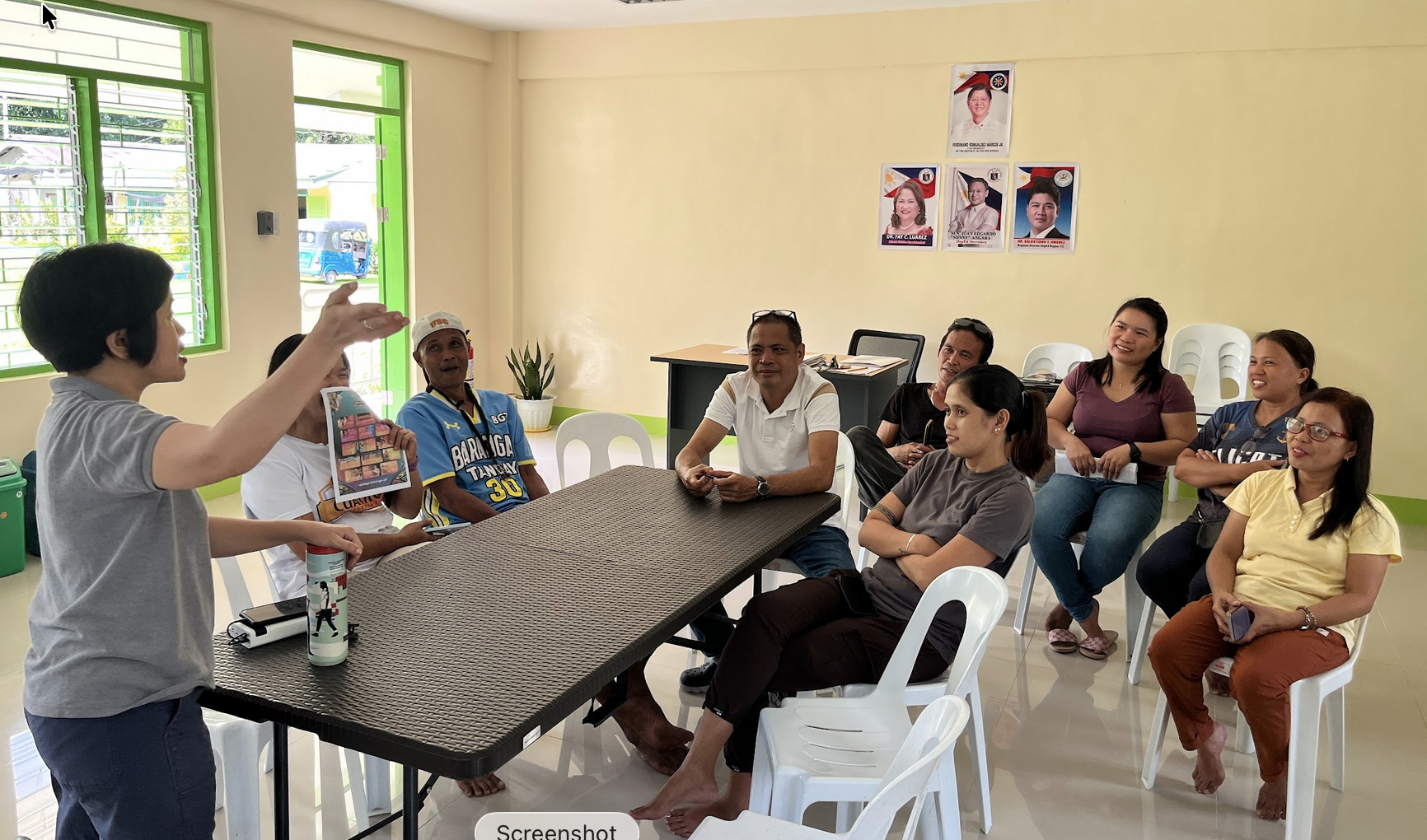
Livelihood and environmental sustainability efforts were also evaluated, particularly the Bahandi sa Kawayan project, which supports local basket weaving and sustainable bamboo use among others. Spiritual formation initiatives, such as regular Eucharistic celebrations in barangay chapels, were likewise included in the assessment as part of HNU’s values-driven approach to extension work.

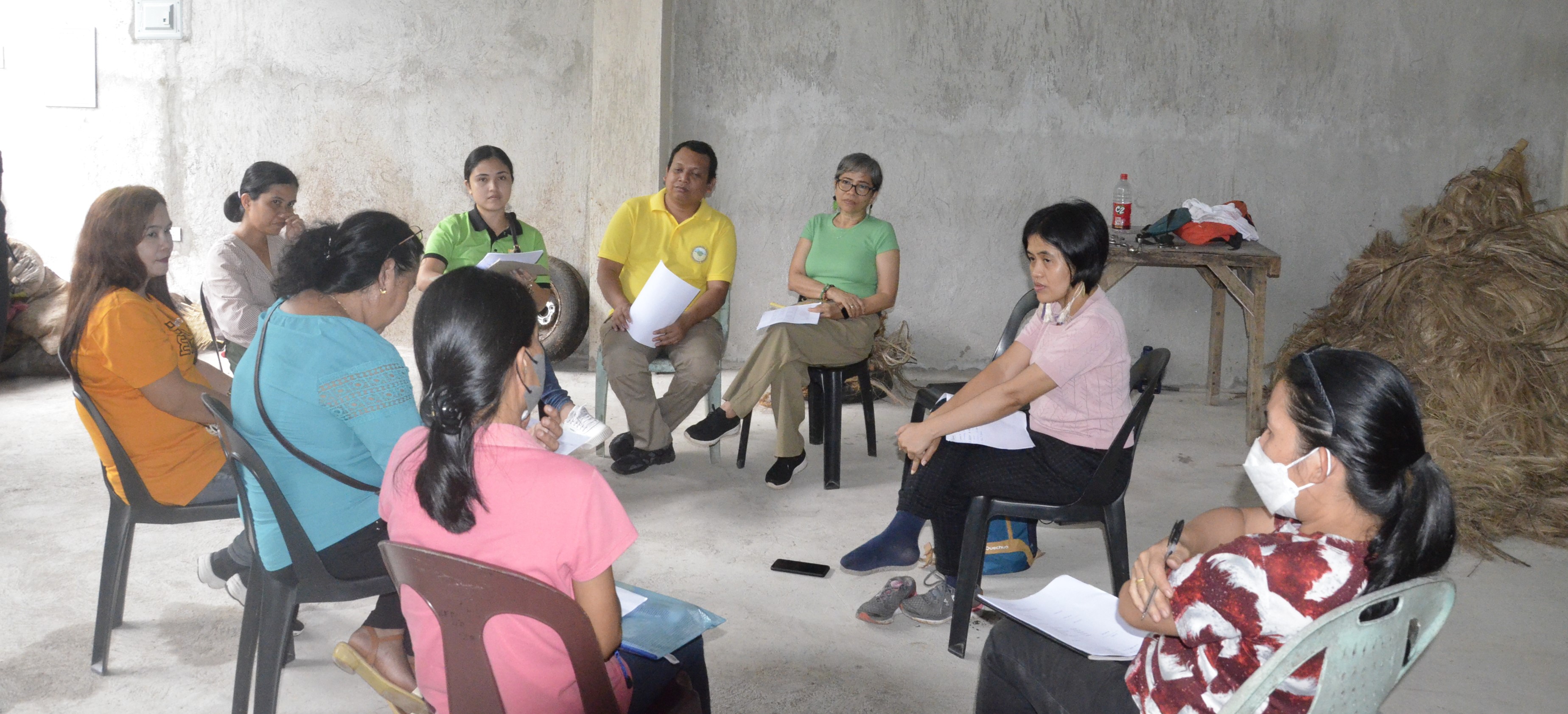
Step Up Consulting Services employed a qualitative and mixed-methods approach using focus group discussions, key informant interviews, and document review to generate comprehensive and reliable evidence of program outcomes. The evaluation measured the impact of the programs on key areas including capacity-building, livelihood, education, health, youth engagement, cultural preservation, and environmental sustainability, in line with Commission on Higher Education (CHED) standards for extension impact evaluation.

The results of the assessment show that HNU’s extension programs have high relevance and positive impact on the community, particularly in strengthening preventive healthcare, improving local governance, enhancing livelihood opportunities, and preserving cultural heritage. The programs were also found to strongly align with the Sustainable Development Goals (SDGs), notably SDGs 1, 2, 3, 4, 8, 11, 12, 16, and 17, demonstrating HNU’s deliberate integration of global development frameworks into grassroots engagement.

The long-standing partnership between Holy Name University and Barangay Tanday was identified as a key factor in the success of the initiatives. Characterized by trust, participatory planning, and shared ownership, the collaboration involves faculty, students, administrative staff, alumni, barangay officials, and community members working together to ensure the relevance and sustainability of interventions.

Through this external evaluation, Holy Name University further strengthens its commitment to institutionalizing extension as a core function alongside instruction and research. The findings affirm HNU’s role as a catalyst for holistic and inclusive community development, advancing social responsibility, evangelization, and sustainable development at the local level.
Step Up Conducts Strategic Planning for Buon Pastore Multi-Purpose Cooperative

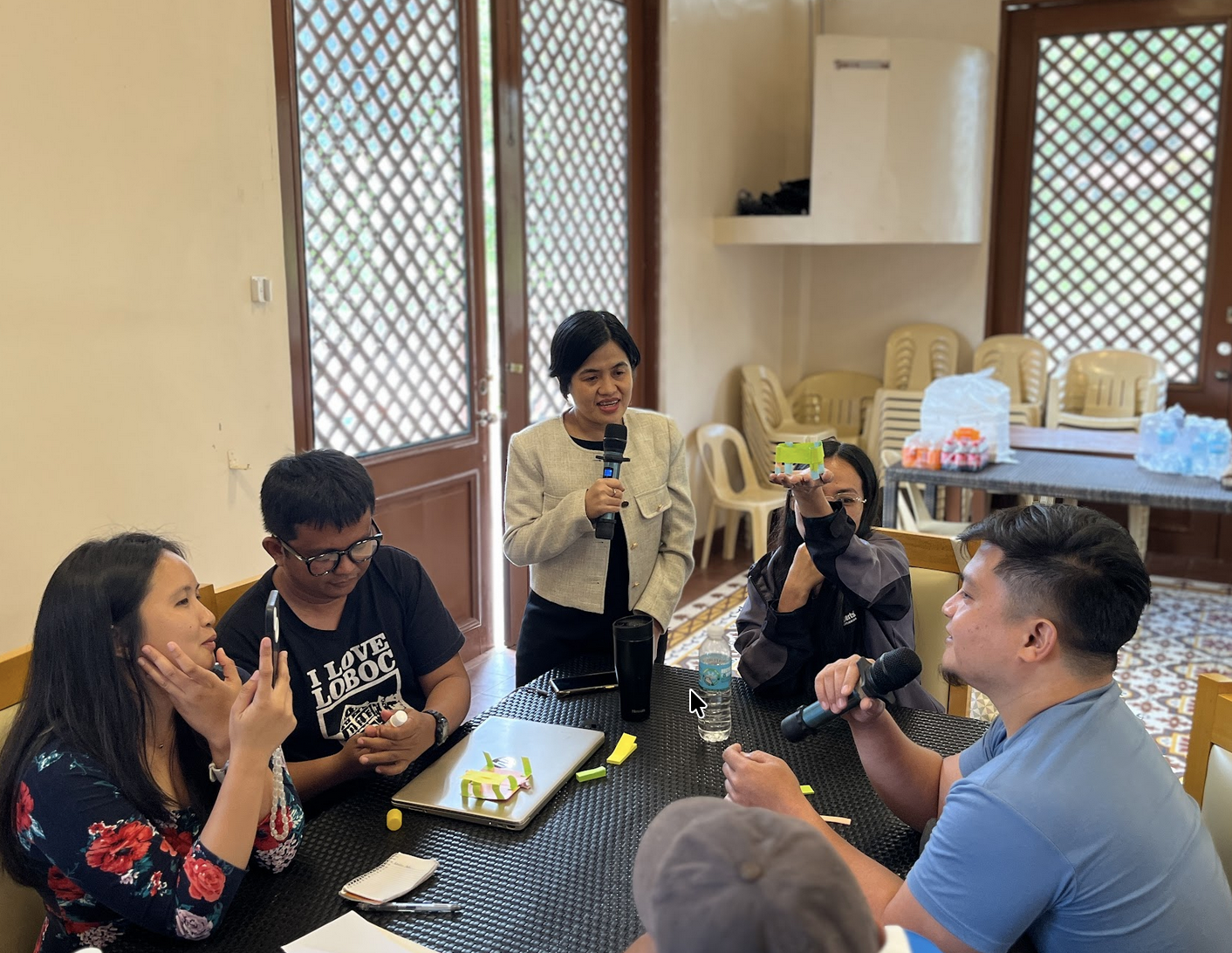
Step Up facilitated a strategic planning activity for Buon Pastore Multi-Purpose Cooperative in November 2025 aimed at strengthening its institutional direction and supporting its continued growth through market diversification and enterprise development.

The activity convened cooperative officers, board members, and general membership representatives to assess organizational performance, identify operational gaps, and define strategic priorities for the coming years. Through guided workshops and participatory discussions, the cooperative was able to align its programs and business initiatives with its long-term development goals and emerging market opportunities.

The strategic planning activity also reinforced Buon Pastore’s commitment to its core values of integrity, service excellence, innovation, sustainability, leadership, and empowerment. Step Up underscored the importance of balancing economic competitiveness with social responsibility by investing in human capital development, enhancing governance systems, and promoting participatory decision-making.

Step Up continues to support local organizations in their development efforts by providing technical assistance, capacity-building services, and strategic guidance toward the achievement of their long-term goals.

Step Up Facilitates Pioneer Bank’s First Comprehensive Strategic Planning Session

Pioneer Bank (A Rural Bank), Inc., formerly known as the Rural Bank of Loboc, marked a significant milestone in its institutional development with the successful conduct of its Planning Workshop in November 2025. Facilitated by Step Up, the intensive session signaled the bank’s transition toward a more structured and forward-looking approach to growth, in line with its mandate to provide localized financial services under the regulatory framework of the Bangko Sentral ng Pilipinas (BSP).

The workshop served as a technical forum that aligned Pioneer Bank’s institutional direction with the evolving economic landscape of the region. Participants undertook a rigorous validation of the bank’s vision and mission to ensure that its core values remained consistent with its long-term objectives.

To develop a data-driven roadmap, the leadership conducted an extensive environmental scan using PESTLE and SWOT analyses, enabling them to assess both external market conditions and internal operational capacities and to identify the key strategic issues that will shape the bank’s direction over the next five years.

The primary output of the session was the formulation of Strategic Goals for 2026–2031, which were translated into concrete Strategic Initiatives and detailed Action Plans. Bank officials emphasized that the planning exercise goes beyond compliance requirements, serving instead as a blueprint for strengthening community service delivery and institutional sustainability.

The consolidated outputs of the workshop will form the core of Pioneer Bank’s 2026–2031 Strategic Plan, reflecting a proactive shift toward modernized rural banking and a stronger contribution to sustainable regional development and financial inclusion in Bohol.

Tailored M&E Workshop Equips WTRC for Strategic Program Evaluation

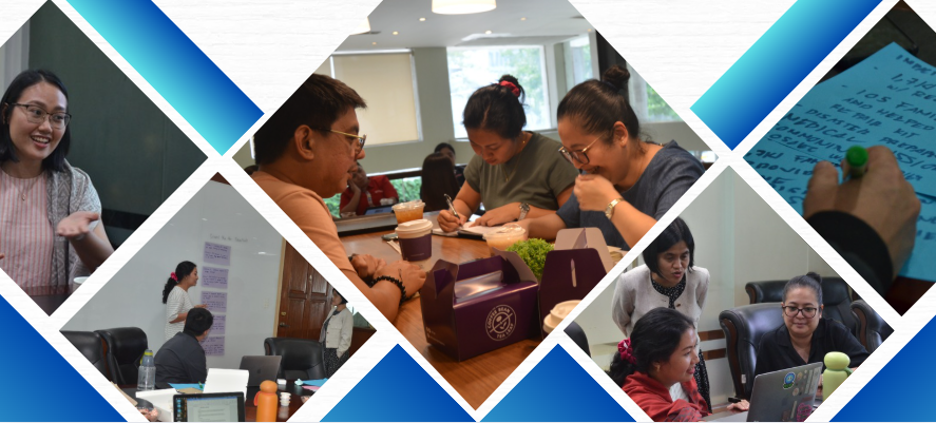
The Wholistic Transformation Resource Center Foundation, Inc. (WTRC) has taken a significant step forward in strengthening its community development work by participating in a customized Monitoring and Evaluation (M&E) capacity development and training workshop.

Facilitated by Step Up Consulting Services, the workshop was specifically designed to align with WTRC’s unique programs and long-term goals, focusing on enhancing internal systems for transparency, accountability, and stakeholder engagement. This initiative reflects WTRC’s commitment to using data-driven approaches to ensure the effectiveness and sustainability of its interventions.

The training aimed to enhance participants’ understanding of core M&E concepts and frameworks, build their capacity to design and implement effective data collection strategies, and improve their ability to analyze and interpret results accurately. WTRC staff also learned to use various M&E tools—such as logic models, performance indicators, and dashboards—to monitor program success and make informed decisions. A key outcome of the workshop was the development of tailored M&E systems that align with the foundation’s mission and can support long-term monitoring and evaluation practices.

Throughout the training, WTRC staff engaged in intensive sessions covering a broad range of M&E topics, including the Logical Framework, Results-Based M&E, and Theory of Change. Participants were also equipped with practical skills in data collection and analysis using tools such as Key Informant Interviews, Focus Group Discussions, and structured surveys. To ensure high data quality and credibility, the Triangulation Method was introduced alongside modern digital tools like Google Forms, Tableau, and AI-powered platforms for data visualization and analysis.

By embedding strong M&E systems across its operations, WTRC aims to align its efforts more closely with the expectations of donors, beneficiaries, and other stakeholders. This capacity-building initiative not only strengthens internal processes but also reinforces WTRC’s dedication to continuous improvement and evidence-based development work. Ultimately, the foundation believes that more effective monitoring and evaluation will lead to deeper, more meaningful, and lasting impacts in the communities it serves.

Step Up Facilitates End of Project Evaluation of SWCF Initiative in Bilar, Bohol

The Step-Up team has successfully concluded the end-of-project evaluation of the Strengthening Local Stakeholders and Community’s Capacity to Improve Environment Management in Bilar, Bohol Philippines Project. Spanning over three years, this initiative aimed to transform Bilar into a model municipality for sustainable environmental management and conservation.

The project focused on enhancing local stakeholders’ involvement in karst education, landscape management, biodiversity conservation, and climate change adaptation. It sought to bolster environmental ethics while ensuring the sustainable use of resources within the community.

Key objectives of the evaluation included assessing the effectiveness of local stakeholders’ management plans for the karst landscape, improvements in local biodiversity, enhanced management of freshwater resources, advancements in solid waste management, reduced agricultural chemical use, and the promotion of eco-tourism.

Moreover, the evaluation examined the progress of partner barangays and communities in making informed environmental management decisions. It also evaluated the implementation and utilization of disaster risk reduction and management (DRRM) plans, ensuring their functionality and effectiveness.

Particular attention was given to assessing the capacity-building efforts aimed at youths and local stakeholders who are advocating for environmental sustainability. The project aimed to empower the next generation with the knowledge and skills needed to champion environmental conservation in their community.

Step Up Facilitates Annual Review and Planning of the Immaculate Conception Parish

The Step-Up team facilitates the Annual Review and Planning of the Immaculate Conception Parish Pastoral Plan on 15 July 2023.

The sessions aim to reaffirm the vision, mission, and goals, of the parish as articulated in its Parish Pastoral Plan, assess the implementation of the Parish Pastoral Plan for 2022 to 2023 and identify accomplishments, gaps, and opportunities for improvement and plan the activities for 2023-2024.

The workshop was able to determine the importance of collective contributions to shared goals, celebrate the accomplishments, and be inspired to plan for the future and share the joy with parish workers and volunteers in discussing parish priorities in a safe, welcoming, and empowering environment.

Msgr. Harold Anthony S. Parilla, thanked the team for facilitating the workshop and for reviewing the implementation of the plan. He also encouraged parishioners to continue pursuing planned activities to achieve shared goals. 

Step Up Team Completes the Economic and Financial Analysis for IFAD’s Project ConVERGE in Mindanao Regions

Step Up team conducted the Economic and Financial Analysis (EFA) for the International Fund for Agricultural Development (IFAD) Project Completion Report (PCR), complying with the guidelines and procedures of the National Economic Development Authority.

In the 6-month engagement, the team actively facilitated stakeholders’ workshops across three regions – Region IX, X and XII in Mindanao, conducted actual site visits to 11 ARC communities to document project highlights, and conducted one-on-one sessions with the local teams, customizing each analysis per identified crop and collaborating with stakeholders to validate findings, fostering inclusive participation and consensus-building.  Results presented include financial internal rate of return, economic internal rate of return, net present value, and benefit-cost ratio for the 14 enterprises at the project level. A sensitivity analysis was also done at the project level.

The team is composed of Jean Celeste “Hedz” Paredes as research lead, Engr. Mark Russell Guatno as the data specialist, and Mary Therese “Tet” Pepito as the data validation expert. Team members actively contributed to facilitating stakeholders’ workshops across the three regions. These workshops involved consolidating and validating needed data and information, collaborating with stakeholders to validate the findings, ensuring robust and inclusive discussions, and presenting the EFA results to stakeholders and the IFAD mission team.

The Project ConVERGE is executed by the Department of Agrarian Reform (DAR) to support the Philippine Government’s poverty reduction efforts in 11 Agrarian Reform Community (ARC) clusters located in 10 provinces of Regions IX, X, and XIII.  The project was designed to promote sustainable livelihoods for 300,000 farmers producing rice, corn, rubber, coffee, abaca, coconut, cassava and muscovado/coco sugar. The project’s targeted beneficiaries were expected to include agrarian reform beneficiaries (ARBs, 40 000 farmers) and 260,000 other rural workers.  CONVERGE comprised of three components: (i) participatory value-chain analysis and planning to link smallholder farmers to existing value-chain systems; (ii) integrated smallholders agricultural and rural enterprise development; and (iii) subdivision of collective certificates of landownership award (CLOA) to facilitate the transfer of land.

Hedz Paredes is Step Up’s New Managing Consultant

Jean Celeste “Hedz” Paredes is Step Up’s new managing consultant, succeeding Arlen Salgados-Canares. Ms. Paredes will lead Step Up Consulting from 15 June 2022 and onwards. Prior to this role, Ms. Paredes was the firm’s research lead.

Ms. Paredes is a graduate of Master in Public Management majoring in Rural Development from the Ateneo School of Government and the Development Academy of the Philippines. She also finished her Bachelor of Political Science from the University of the Philippines.

Ms. Paredes has worked on several research and development projects in the past. These include the following

  • Terminal Evaluation – Strengthening the Capacity of Farmers Federation and their Communities to Address Climate Change in Bohol, Philippines
  • Disaster Risk Reduction Initiatives in Vulnerable Areas Toward Effective Governance and Resilient Communities in the Municipalities of Loay, Loboc and Sevilla, Bohol Province, Philippines
  • Analysing Social Media Use and Preferences of Young People in Mindanao
  • Stakeholders Mapping for the Public Utility Vehicles Modernization Program (PUVMP)
  • Philippines Financial and Market Inclusion
  • Feasibility Study for the Establishment of a Cultural Hub in the Central Visayas Region
  • Bohol Institute of Living Tradition: A Feasibility Study
  • Teenage Clicks: Can Teens Protect their Privacy on Social Media
  • Aquatic Biodiversity in Rice-Based Ecosystems , Food and Agriculture Organization of the United Nations
  • Case Studies – Danajon Reef Communities Impact Assessment
  • Feasibility Study: Agro-Ecological Production and Business Model Development for the Island Residents of Sicogon Island, Carles, Iloilo towards the Development of Resilient and Self-sustaining Communities
  • Performance Monitoring and Assessment – MEADA Rabrong, Phnom Penh, Cambodia
  • Promoting Gender Equality and Women’s Empowerment in TYM-Mutual Assistance Fund, Hanoi, Vietnam
  • World Vision Philippines in the end-of-phase program evaluation of 4 area development programs (ADP) across the country
  • Scaling-up Demand and Supply for Rural Sanitation and Hygiene, United Nations Childrens Fund (UNICEF)

Step Up Strategy Advisor is M&E Advisor for Vanuatu Roads Project

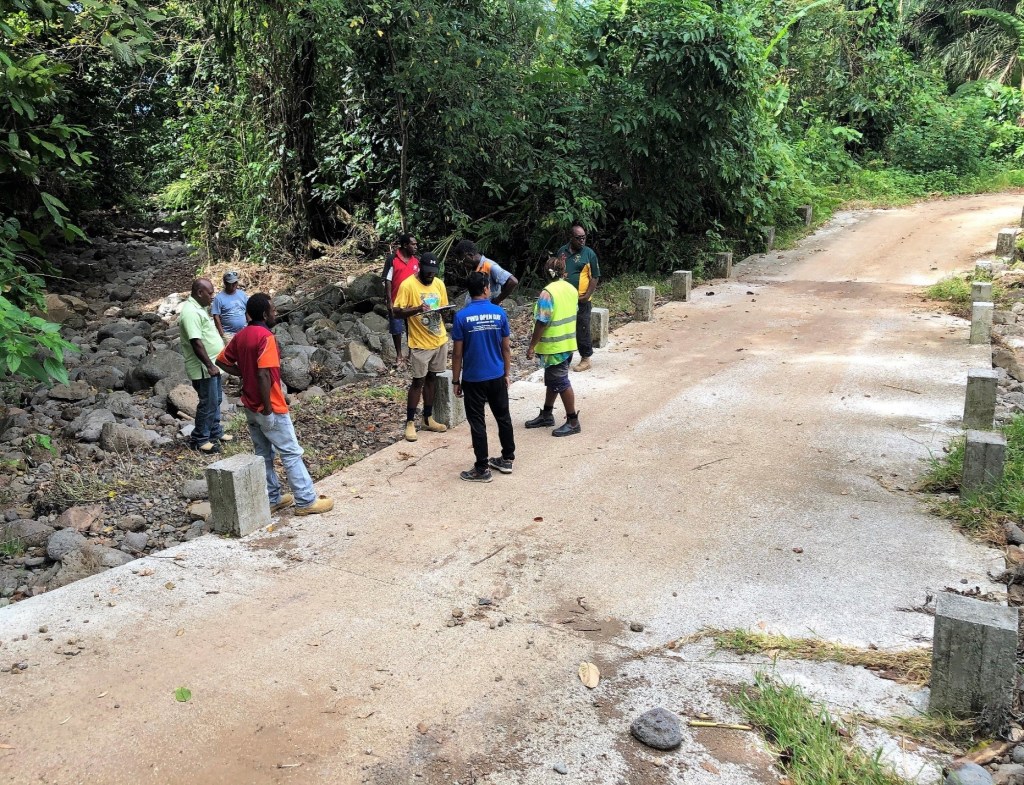
Image courtesy of Adam Smith International

Michael Canares, Strategy Advisor at Step Up Consulting is part of the implementation team of the Roads for Development Program Phase 2 (R4D2) currently implemented in Vanuatu by Adam Smith International, with funding support by Australia’s Department of Foreign Affairs and Trade.

R4D2 will support the Government of Vanuatu’s Public Works Department (PWD) under the Ministry of Infrastructure and Public Utilities (MIPU).  The program commenced in June 2019 and will run to the end of June 2022, with an option to extend by two years, subject to DFAT approval. The program aims to contribute to the achievement of the Government of Vanuatu’s (GoV) National Sustainable Development Plan 2016-2030 (NSDP) goals, more particularly the following:

  • A dynamic public sector with good governance principles and strong institutions delivering support and services to all citizens of Vanuatu
  • Sustainable and well-maintained infrastructure and services for all, through inclusive and effective partnerships

Mr. Canares is R4D2’s short-term Monitoring and Evaluation Adviser.

Mr. Canjura Joins Step Up

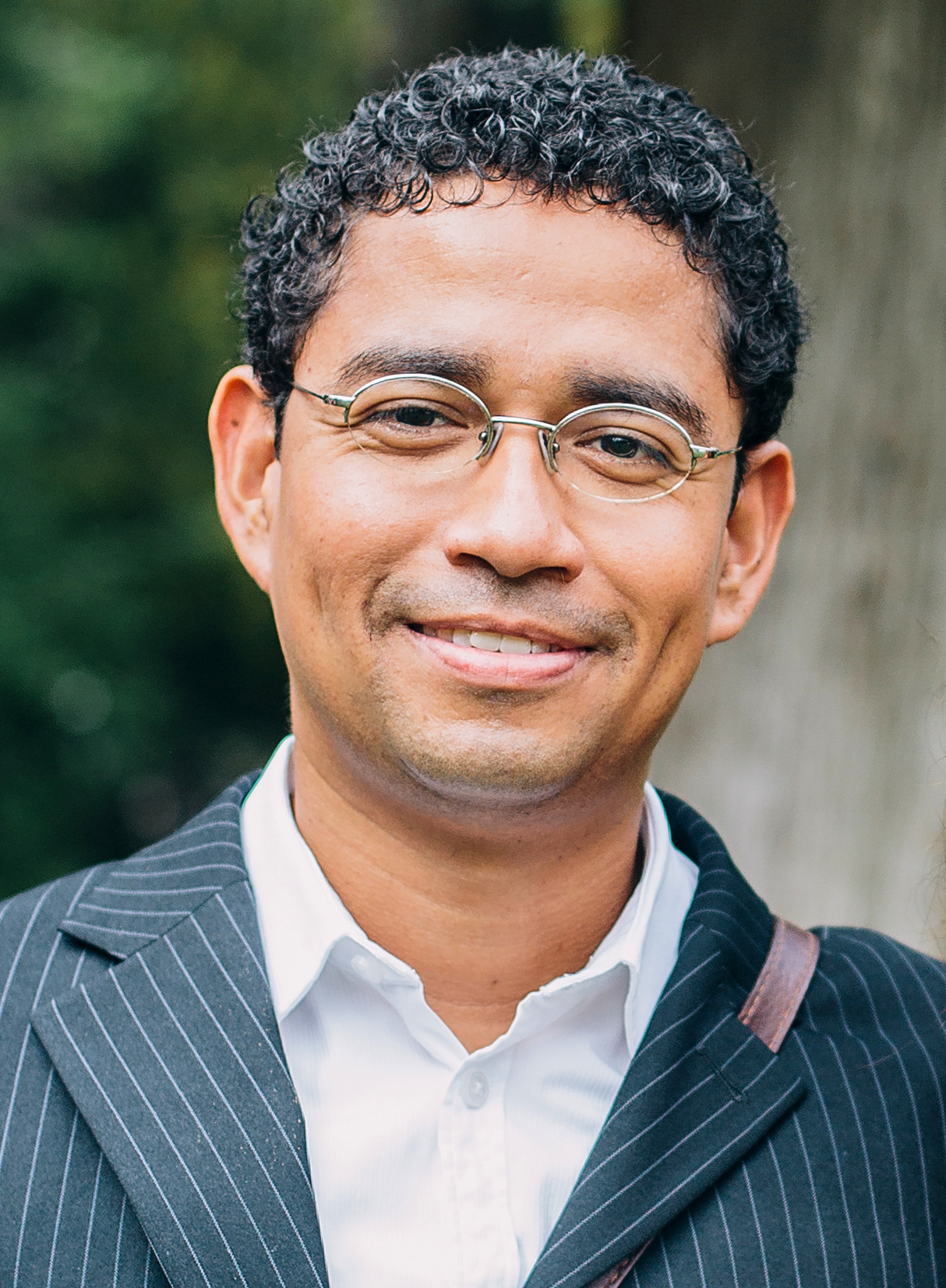
Mr. JoseJCanjura-profile Canjura is one of the latest addition to Step Up’s roster of consultants. He joins Step Up this year as one of the researchers of the project on open data and governance funded by the Southeast Asia Technology and Transparency Initiative implemented by Hivos .

Mr. Canjura is a Canadian urban planner and governance specialist. Since his arrival in the Philippines Mr. Canjura has worked extensively in local governance, with a focus on building mechanisms and tools that foster greater local economic development and a more competitive business enabling environment. He recently completed a study on the human resource and organizational development interventions that lead to greater local competitiveness, and collaborated in an assessment of Local Economic and Investment Promotion Officer (LEIPO) competencies. Prior to his involvement in this project, Mr. Canjura also worked on several other open government initiatives: he conducted a study on the state of advocacy for budget transparency; and worked on an assessment on open contracting data in the Philippines. Mr. Canjura holds a Master’s Degree in Urban and Strategic Planning from Dalhousie University in Canada; a Diploma in Project Management and an Honours Bachelor’s Degree in Geography, both from the University of British Columbia, Canada.