In a proactive stride aimed at fortifying the efficacy and longevity of microfinance initiatives, Step Up Consulting has wrapped up an insightful assessment study shedding light on pivotal factors influencing client continuity and engagement within microfinance institutions (MFIs).
The study meticulously examined the concerning trend of active borrowers transitioning into inactive status within MFIs. This trend, which has sparked concerns among MFI leadership, underscores theneed to uncover the root causes behind clients’ hesitancy to participate in subsequent loan cycles.
Understanding that sustained client involvement is paramount for the success and societal impact of microfinance endeavors, the study delved deep into the intricacies of client behavior and preferences. Its objective was to produce actionable insights to fortify strategies for bolstering client retention and participation.
By grappling with the core challenges impeding client continuity and engagement, the study meticulously explored avenues to foster a more inclusive and sustainable microfinance landscape. Such an environment holds the promise of harnessing the transformative potential of financial inclusion to its fullest extent.
With the Provincial Government’s aim to help re-open Bohol’s tourism economy by developing new attractions, enhancing existing circuits and reporting re-branding efforts, including capturing the faith-based tourism and MICE markets, an establishment of a creative village in the town of Alburqurque was investigated by the Bohol Investment Promotion Center. Step Up consulting services was contracted to undertake the feasibility research. The study was conducted from November 2023 to September 2024.
The study focused on the feasibility of establishing a Creative Village in the Municipality of Alburquerque in Bohol, particularly determining strategies for its viability and sustainability. The feasibility aimed to cover five key aspects – social preparations, market, business models, and integrated value chain of the identified key industries.
The town of Alburquerque is a rich microcosm of local heritage, culture and faith-based traditions showcasing the community life of the Boholanos. These are evident in crafts, foods, music, and the presence of a culturally important national property – the Sta. Monica Church. The Sta. Monica Church is one of the major cultural destinations for tourists and visitors who appreciate its historical and cultural value.
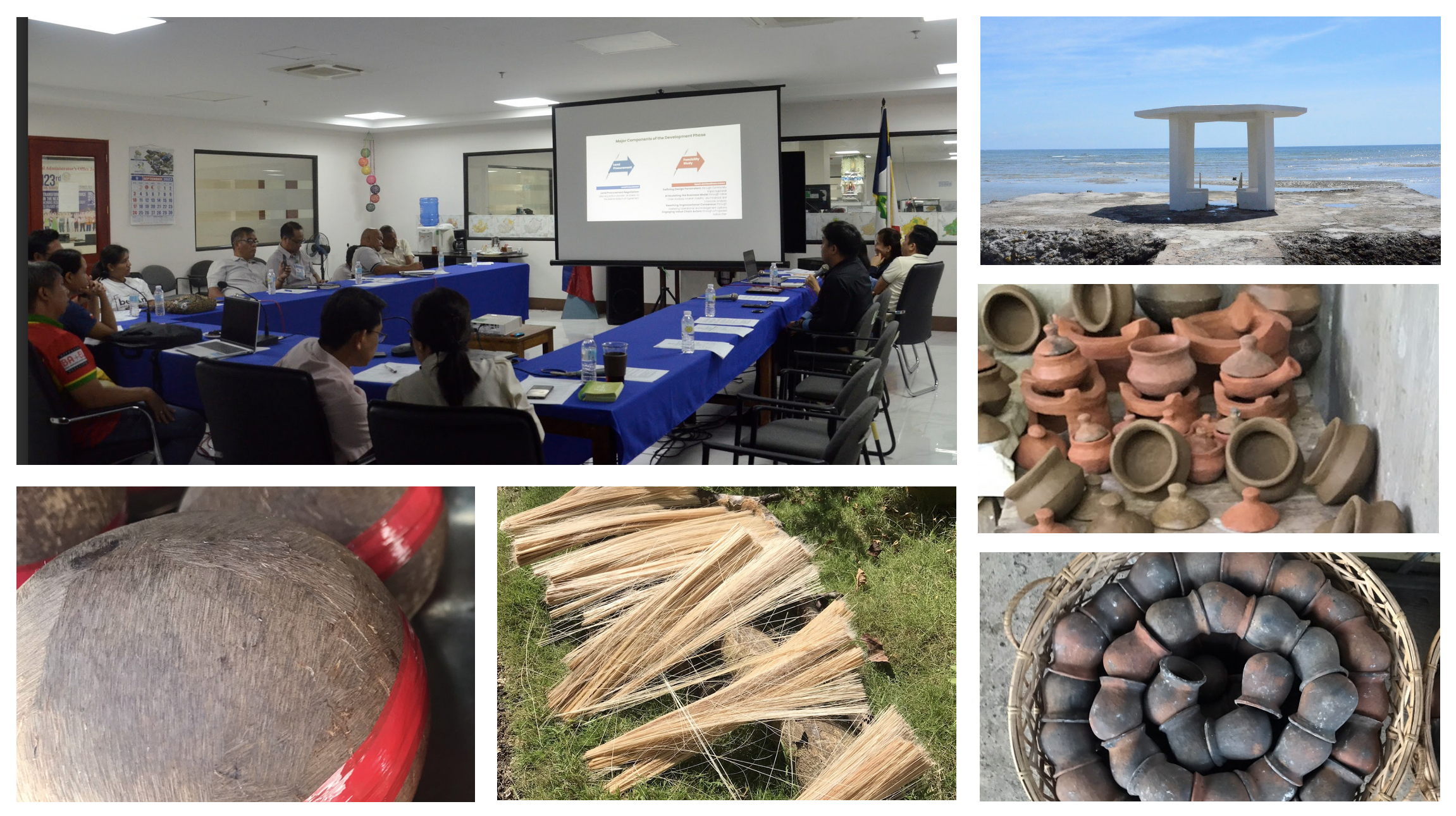
The project, Alburquerque Creative Village, is basically envisioned to provide a platform where local villages will be set up to showcase the crafts, cuisine, and others, particularly those that have been practiced in the locality. Highlights of the craft villages will be centuries-old crafts and food including raffia loom weaving, pottery/ceramics, a sweet delicacy called calamay, sculpted religious arts, utility and decorative baskets, traditional brooms, local salt called asin tibook (sea salt molded in clay pots. The music rendered by their traditional ensemble will also be revived. Model farms will also be set up showcasing local produce such as ubi kinampay (purple yam), vegetables, cut flowers etc.
In the design, the creative village will be constructed in a 2-hectare property located in East and West Poblacion Albur. The site shall be procured by the Provincial Government of Bohol with technical assistance from the Municipal Government of Albur, while the management will be lodged at the Bohol Local Economic Development and Promotion Center.
The establishment of the creative village aims to also Provide a platform to showcase Bohol’s unique identity through local artisans, craftsmen and women who will highlight their skills and expertise in the field of ethnic arts and food and will make available these products through the craft village concept where this will serve as a one-stop shop venue for people and tourists to appreciate and experience these traditions, cultural practices and artisanal products;
Step Up Consulting co-facilitated the Pista sa Kadagatan, a 3-day activity of Alliance Française de Manille, in partnership with the Provincial Government of Bohol activity, which formally opens the Ocean Program 2023-2025, a program by the Alliance Française de Manille. Kasing Sining served as the major organizer and facilitator of the said event.
The three-day event last September 27-30 was a series of cultural tours with different activities that brought science, arts, culture, and sustainable development to life. From inspiring discussions on climate, tourism, and marine heritage to heartwarming interactions with coastal communities, it highlighted our shared commitment to preserving the ocean’s well-being and its invaluable marine treasures
Day 1 covered the Summit, where the orientation and overview of Pista sa Kadagatan and a series of presentations among experts in the relevant fields were held at Ceremonial Hall, Provincial Capital, CPG North Avenue, Tagbilaran City. Presentations included the ecological importance of this UNESCO Biosphere Reserve and the local efforts in marine conservation through a series of lectures that focused on the status of the waters, cultural heritage, and heritage, and environmental conservation. Day 1 concluded with a play entitled Usa Ka Isla, performed by Kasing Sining. Presenters during the Summit were Dr Ben Malayang, an environmental scientist, on “A Science Culture to Better Appreciate Bohol’s Land and Sea”; Ms Len Barrientos, UNACOM Philippine Representative, presenting the UNESCO Agenda on UN Decade of the Oceans; and Prof. Eric Zerrudo, PhD, the Director of University of Santo Tomas Graduate School Center for the Conservation of Cultural Property & Environment in the Tropics, discussing Philippine Archipelagic Thinking, entitled, Kapuluan: an Appreciative Inquiry on Philippine Archipelagic Thinking. An open forum and sharing were conducted after the morning session. A documentary entitled “Kinabuhing Mananagat (The Life of a Fisher) directed by Mr. Procopio “Cooper” Resabal was shown thereafter.
The afternoon session started with a story-telling by Prof. Marinanito Luspo, a local historian and consultant of the Center for Culture and the Arts (CCAD), entitled Sugid: Telling the Tales of the Seas Around Us. This was followed by a presentation on the dynamics of the water bodies surrounding Bohol presented by a fellow Boholano Prof. Rene Rollon, Professor of the Institute of Environmental Science & Meteorology – University of the Philippines Diliman. The resident geologist of the Province of Bohol, Mr. Karl Michael Din, also presented the Bohol Geopark and its Connectivity with Bohol Seas. Lastly, a representative from the Department of Environment and Natural Resource (DENR-Bohol) was presented by Mr. Ariel Rica. After the presentations, a synthesis was done to assess the learnings and insights of the participants. Usa Ka Isla, a play performed by Kasing Sining was also held during the evening event.
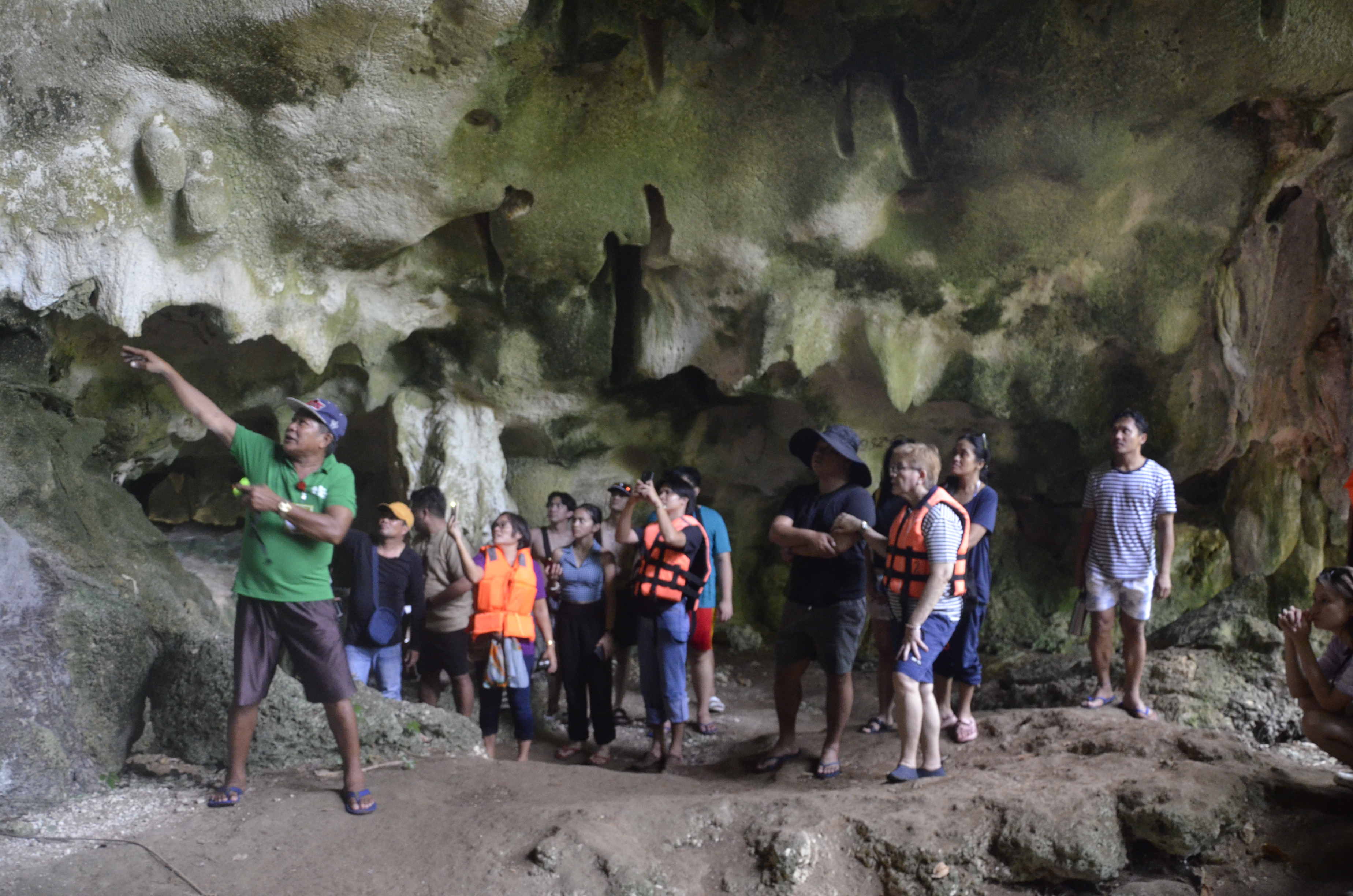
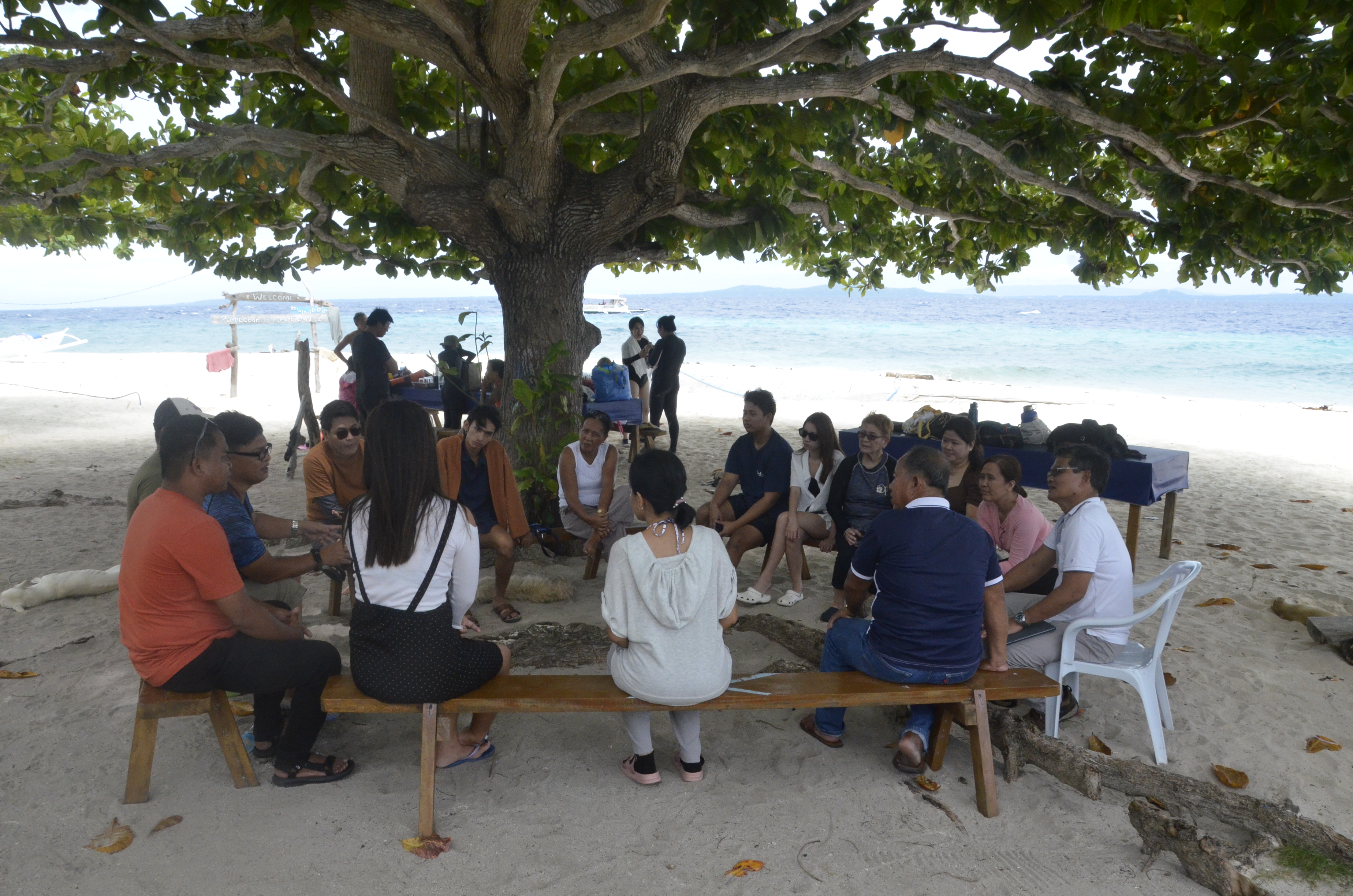
Days 2 and 3 covered the site visits and workshops, in caravan style, organized in these 2 areas, one after the other. These activities enabled community fisherfolks, artists and experts to immerse themselves in the beauty of these water worlds, in listening to the peoples’ stories, inspiring creative dialogues and possibly creative showcases or small works that reflect the essence of marine life and culture. Selected learning sessions were focused on blending cultural heritage with marine conservation, showcasing the deep connection between the people and their environment.
Step Up Consulting has recently published the results of its research on the impact of COVID-19 on higher education in South Africa, Australia, and the Philippines. The research was funded by the International Telecommunications Union through the Connect2Recover global competition.
Connect2Recover is a global initiative that aims to reinforce the digital infrastructure and digital ecosystems of beneficiary countries.
In 2021, the International Telecommunications Union launched the “Connect2Recover Research Competition” to identify promising research proposals that will accelerate digital inclusion during the COVID-19 recovery globally.
The objectives of the competition were to improve research focus on digital resiliency and digital inclusion to build back better with broadband for pandemic recovery; to build a global research community of think tanks and academic institutions around digital inclusion; and to promote knowledge sharing that informs targeted practices to build back better with broadband.
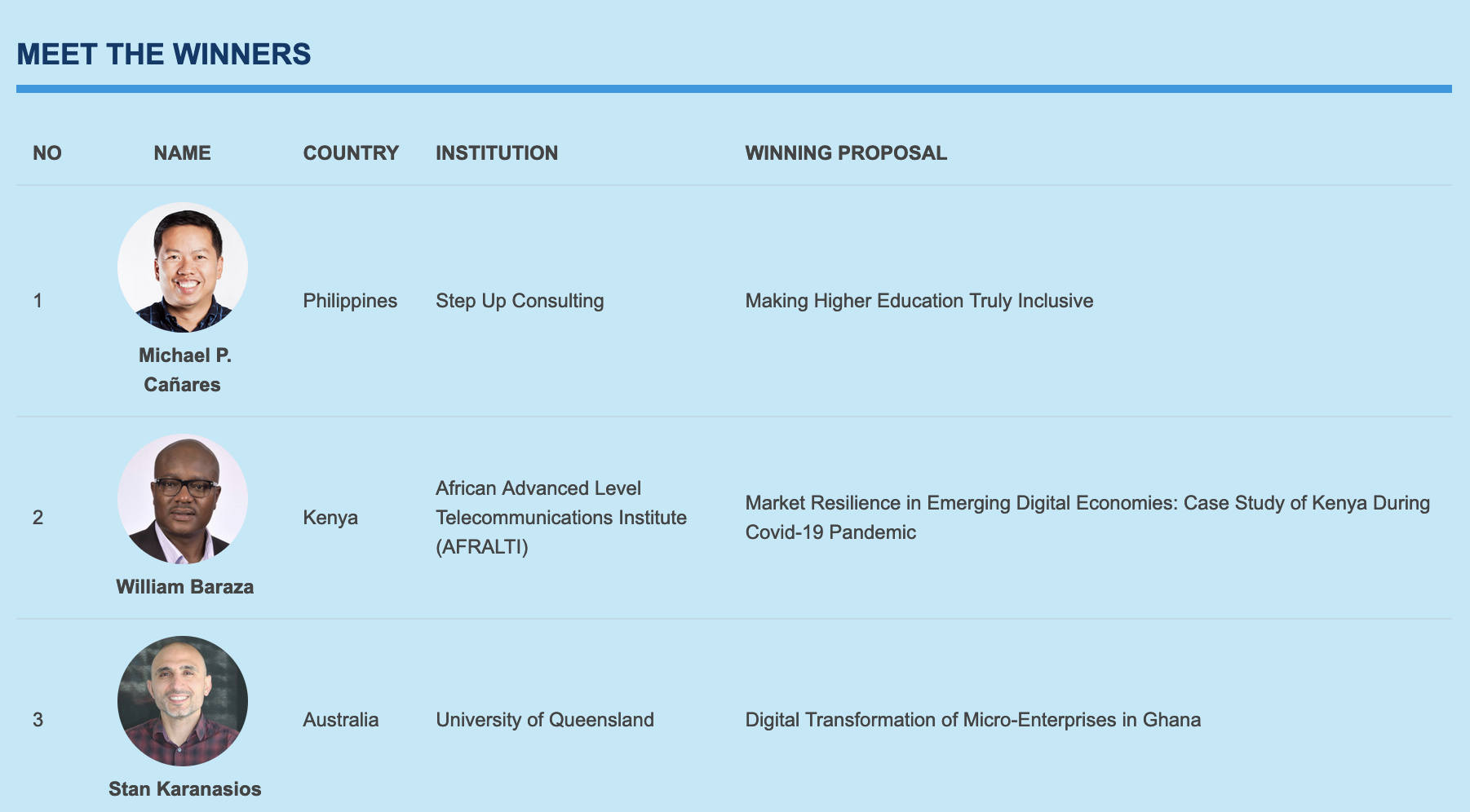
The proposal submitted by Step Up Consulting titled ‘Making Higher Education Truly Inclusive’ was selected as one of fifteen successful applications. You can find on this project website the findings, insights and recommendations that have emerged from the ‘Making Higher Education Truly Inclusive’ research project.
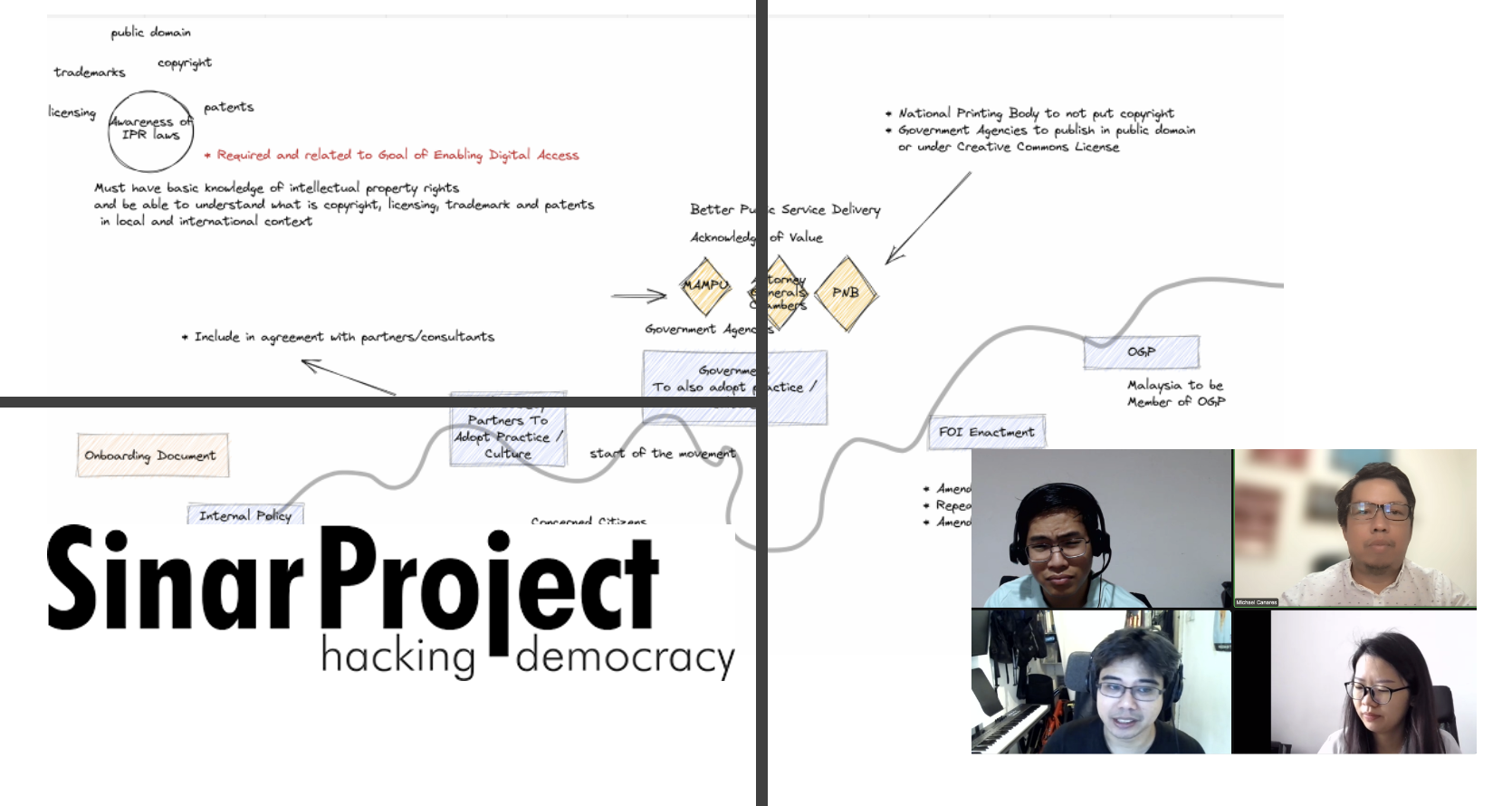
Step Up completes almost 3 months of strategy sessions with Sinar Project of Malaysia to finalize the organization’s five-year strategic plan. The final Strategy Session with Sinar was conducted on 28 April 2022 online, with key officers of the organization.
Sinar Project was formally established in 2014 as a limited liability partnership in Malaysia. From its very inception, the organization aimed to promote transparency, accountability, and openness in government by improving people’s access to public information and data that impact people’s lives. Sinar Project believes that when citizens have greater access to data and information they are able to demand accountability from the government, better participate in decision-making processes involving public welfare, and contribute to the overall well-being of society.
Step Up’s strategy advisor, Michael P. Canares, was the lead consultant hired by East West Management Institute to undertake the strategy planning process.
The research competition, dubbed as Connect2Recover aims to “reinforce and strengthen the digital infrastructure and digital ecosystems of beneficiary countries as they adjust in the wake of COVID-19 and remain resilient in times of disasters”. The research competition is one of the preliminary activities of the initiative aimed at “identifying the gaps and bottlenecks in the effective use of digital networks and technologies”.
Step Up Consulting team will consist of Michael Canares and frequent collaborator Francois Van Schalkwyk of Stellenbosch University based in South Africa. The project will focus on the connection of marginalized university students during and after the covid-19 pandemic to new modes of higher education delivery to ensure greater inclusion and unlock the socio-economic development potential of higher education. The issue of emergency remote teaching and learning in higher education and the consequences of this shift on marginalized students given the challenges of unevenly distributed ICT infrastructure and internet affordability has received some attention in the media and, to a lesser extent, in the academic literature.
However, little has been done to synthesise the observations and information on the issue, especially across multiple contexts. Nor have efforts been made to connect the covid-19 experience to the broader literature on infrastructure, access and inclusion. This research project will provide new knowledge related to digital inclusion and will build on previous research undertaken in this area, specifically previous research undertaking by the research team that showed how data activation, intermediaries and the distribution of power are key determinants of digital inclusion (Van Schalkwyk & Canares 2020). The proposed research project will bring into the constellation of determinants the role of ICT infrastructure in fostering sustainable digital inclusion, especially in the context of education.
Step Up’s strategy advisor, Mr. Michael Canares, facilitated the ASEAN kick-off workshop on strengthening Labour Market Information Systems (LMIS) as a basis for better skills and employment policies. The workshop, attended by 9 countries across the ASEAN region, was held online last 9 December 2021.
The workshop is part of the project aimed at strengthening the capacities of ASEAN member states to anticipate and match future skills needs through effective labour market information systems, develop a set of evidence-based recommendations in selected thematic areas with the objective to facilitate policy dialogue; and develop national action plans for improvement of the labour market information systems.
The workshop was organized to level-off expectations and understanding from among key stakeholders and agree on the principles, guidelines, and procedures for the conduct of project. This also includes, among others, an agreement of the desired goals of the project, an agreed set of indicators to gauge progress, and the roles and contributions of each stakeholder.
The workshop was sponsored by the Ministry of Labour, Invalids, and Social Affairs (MOLISA) of the Government of Vietnam. GIZ and ILO lead the implementation of the project.
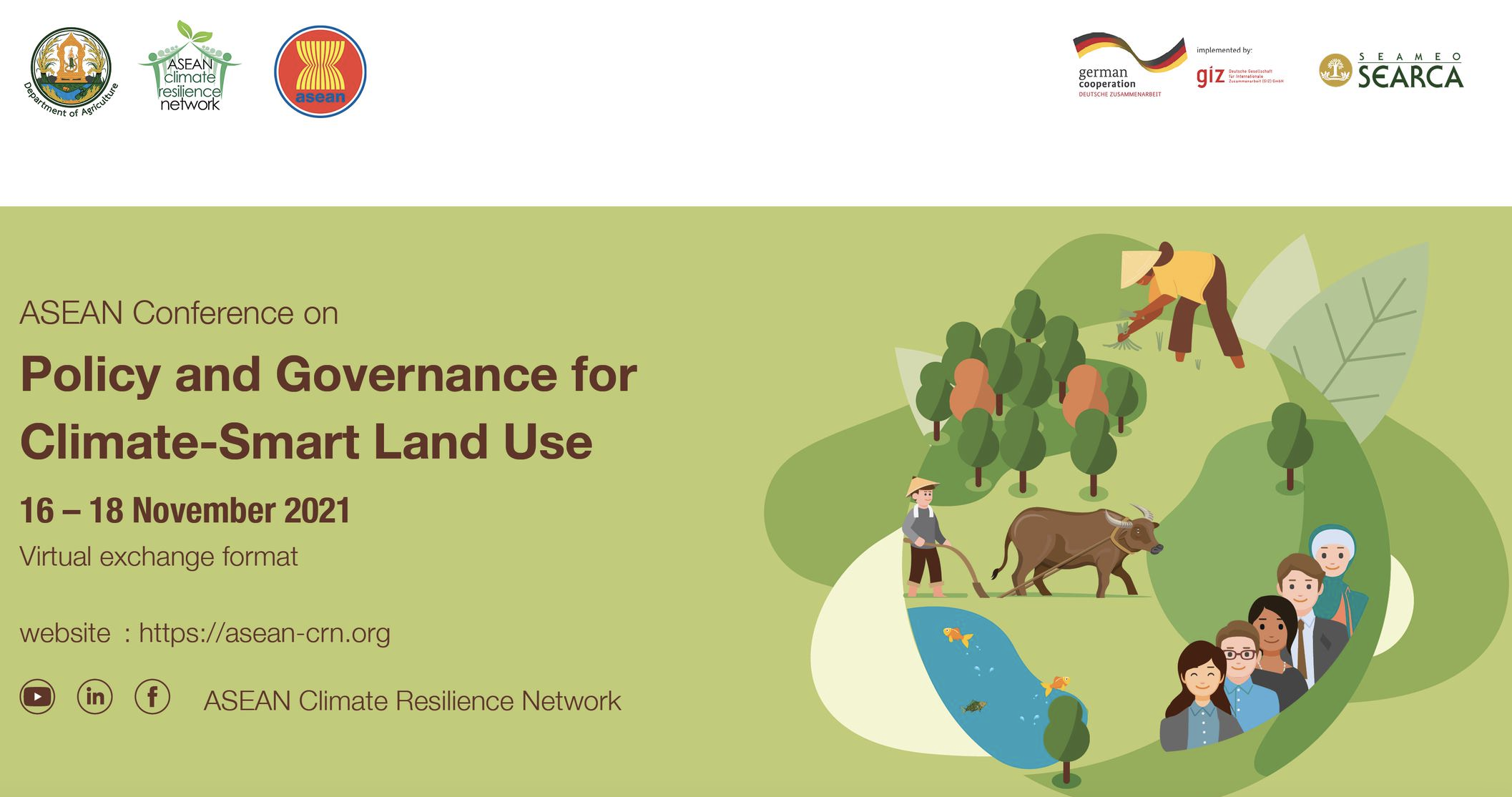
Mr. Michael Canares, Strategy Advisor of Step Up Consulting will be the moderator of the upcoming ASEAN Conference on Policy and Governance for Climate-Smart Land Use. The conference is organized by the ASEAN Climate Resilience Network with the support of the German Federal Ministry for Economic Cooperation and Development through the Deutsche Gesellschaft for Internationale Zusammenarbeit (GIZ). GIZ collaborates with the Southeast Asian Regional Center for Graduate Study and Research in Agriculture (SEARCA) and several other partner organisations to hold this conference.
The conference will be held online on 16-18 November 2021. The conference will tackle three themes, namely:
a. Multi-level Governance for Climate-Smart Land Use
b. Inclusive and Participatory Policy Making for Promotion and Adoption of Climate-Smart Land Use
c. Enabling environment for private investments into Climate-Smart Land Use
The conference is expected to attract policy-makers from ASEAN member states working in the fishery, agriculture, and forestry sectors, rural development and environmental activists, development agencies, research institutions and civil society organisations from across the region.
The regional project “visible unearthing”, implemented by Goethe Institut aims to use open data to analyze the interactions of air-water quality and other indicators (groundwater level, etc.) that are important, especially in climate change in very specific environments (cities, regions, ecosystems). As an important part of the process, a data inventory was undertaken to identify the datasets that can be used to capture a condition of interest and visualize it in ways that could generate meaningful discussions. Step Up Consulting was the lead researcher for the project.
With COVID-19 impacting the Southeast Asian region and globally, the initial plan was to look at environmental data with a certain level of relationship with COVID 19. Given that restrictions in movement have significantly impacted mobility during lockdowns, and with transportation as one of the identified contributors of air quality (EPA 2019), the main focus of the assessment was the availability of open air quality data.
The research was implemented in four cities across SouthEast Asia, namely, Hanoi (Vietnam), Manila (Philippines), Bangkok (Thailand) and Jakarta, Indonesia. Despite limitations in data, there are at least emerging findings that came out of the research.
As indicated in the graph above on Bangkok, three patterns are emerging from the visualization. First, during hard lockdown periods, mobility within Bangkok significantly decreased when compared to baseline figures. Second, during hard lockdown periods, air quality data is consistently below the baseline figures, except for December to January. Finally, lockdown impacts mobility significantly within the period immediately following its imposition and gradually increases towards baseline over time. The same effect can be said of air quality, where lockdown periods result to better air quality but the effect wanes in succeeding periods.
The same can also be said of the Jakarta dataset that can be seen in the graph below:
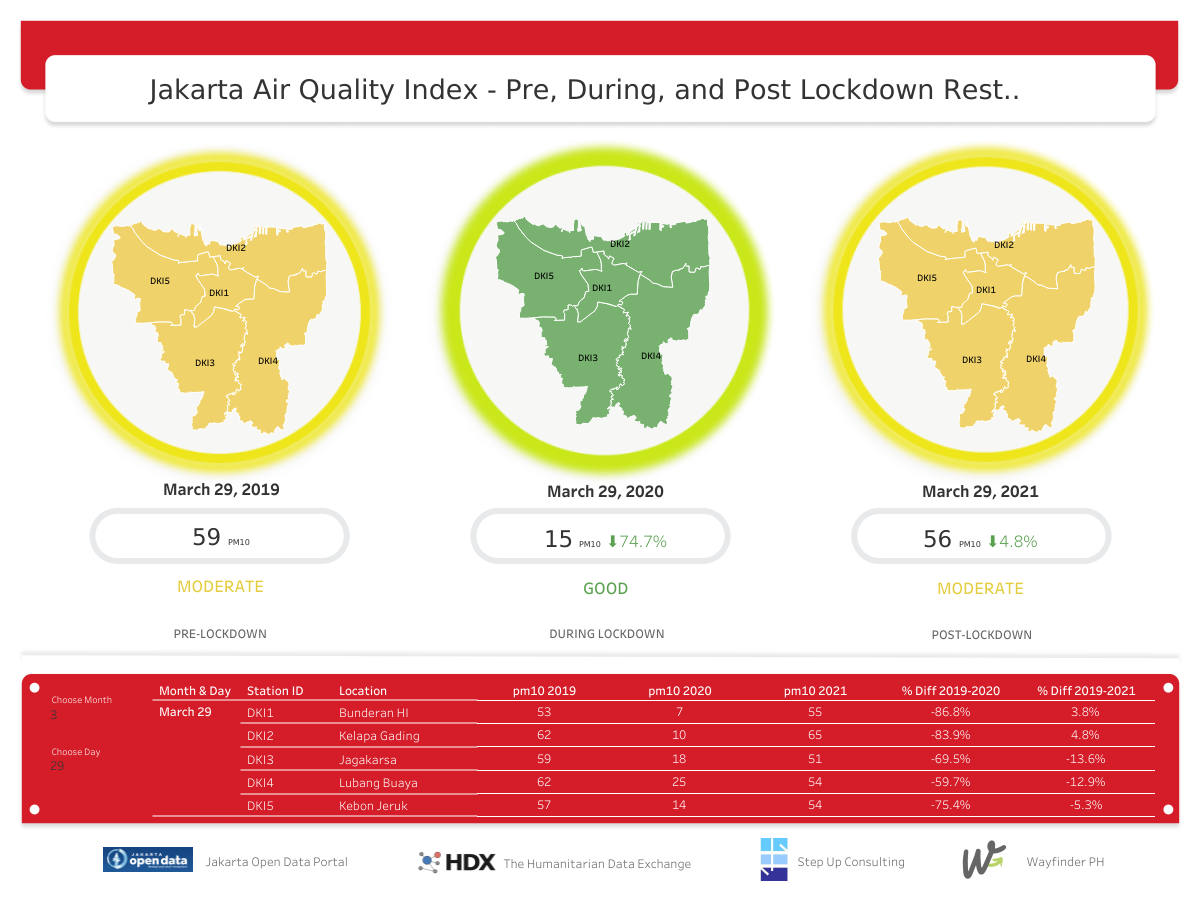
The above visualization compares the air quality index in 5 data collection points across three years. A specific date was chosen using the lockdown scenario as the primary determinant. Jakarta, in this case, implemented its first hard lockdown in the second half of March 2021, imposing work from home arrangements and restricting religious worship. The choice of the specific date (March 29) is conditioned by data availability within the three-year period from 2019 across the different data collection points where researchers gathered the average.
Figure 1 indicates a significant improvement in air quality index when we compare 2019 with 2020 data when successive lockdowns were imposed in the city by the government. Towards the end of March 2021, lesser restrictions were imposed by the city government.
In the next three months, Step Up researchers will be publishing three papers as a result of the research. These are as follows:
Openness of environmental data and its implications on data governance. The paper will utilize the findings of the inventory conducted by the researchers and its implications on measuring environmental health, as well as on monitoring the Sustainable Development Goals
A review of alternative data sources to capture air quality data, with particular reference to the use of satellite data that can potentially reveal anomalies in the relationship between lockdown, mobility, and air quality. This is particularly true in Hanoi, where there seems to be only a slight improvement despite mobility restrictions. It has been argued that pollutants for the city are outside the city itself, particularly those coming from the powerplants and the industrial clusters.
A deeper investigation of lockdown, mobility, and air quality, using the results of this study and other analyses conducted by other researchers in the last six months.
Michael Canares, strategy advisor of Step Up Consulting, was contracted by East West Management Institute to study freedom of expression (FOE) organizations in Malaysia. The research, which began in June 2021, will be completed towards the end of the year, with the aim of arriving at concrete recommendations to strengthen FOE organizations in the country.
The research project is part of EWMI’s activities in the “Promoting Freedom of Expression in Malaysia (ProFoEM)” project. The project seeks to support the development of a more vibrant, effective civil society in Malaysia. The long-term goal is to enable FOE organizations to participate in the freedom of expression (FoE) reform movement in Malaysia, and to strengthen civil society organizations (CSOs), the media, and public interest legal counsel in their efforts to strengthen FOE, promote right to information, strengthen independent media, and combat censorship.
East West Management Institute is an organization headquartered in the US, whose aim is “to strengthen democratic societies by bringing together government, civil society, and the private sector – to build accountable, capable and transparent institutions”.





 Step Up Consulting
